RBI announced the withdrawal of ₹2,000 notes on 19 May 2023, when ₹3.56 lakh crore worth were in circulation. By 30 April 2026, that had fallen to ₹5,451 crore, according to RBI's release of 1 May. That means 98.47% of the notes have come back. That release is the most recent one on RBI's currency press release page.
The notes have not been demonetised. RBI's circular of 9 June 2026, which brings together all its instructions on the withdrawal, says ₹2,000 notes "continue to be legal tender". Banks stopped exchanging them on 7 October 2023, though, so for most people the only way to use them now is through RBI.
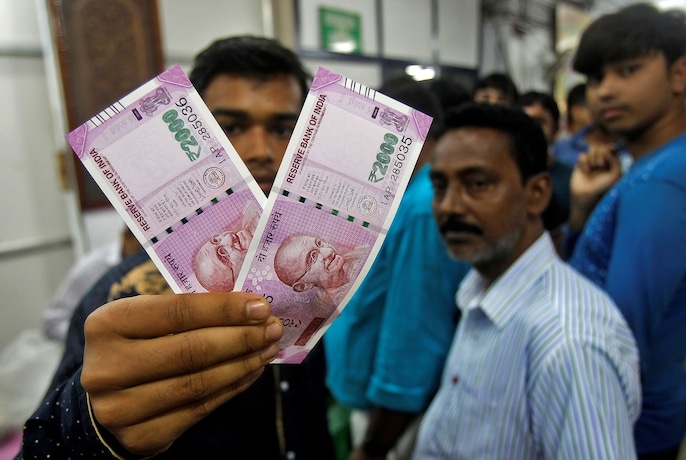
Nineteen RBI Issue Offices exchange the notes or credit them to your bank account: Ahmedabad, Bengaluru, Belapur, Bhopal, Bhubaneswar, Chandigarh, Chennai, Guwahati, Hyderabad, Jaipur, Jammu, Kanpur, Kolkata, Lucknow, Mumbai, Nagpur, New Delhi, Patna and Thiruvananthapuram. RBI says this facility continues "till further advice".
If you don't live near one of these cities, you can send the notes through India Post from any post office to an RBI Issue Office, and the amount is credited to your bank account. Business Today confirmed in July 2026 that this option is still available.
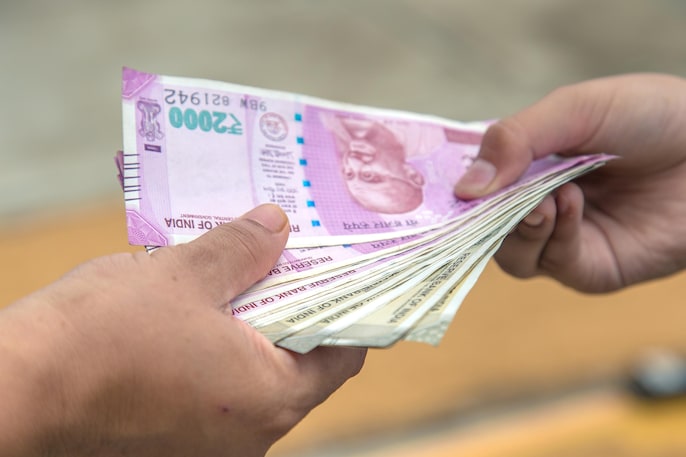
On 31 January 2025, ₹6,577 crore was still in circulation. By 30 April 2026, it was ₹5,451 crore. That is about ₹1,126 crore in 15 months, or roughly ₹75 crore a month. If that pace held, it would take about six more years to bring the rest back.
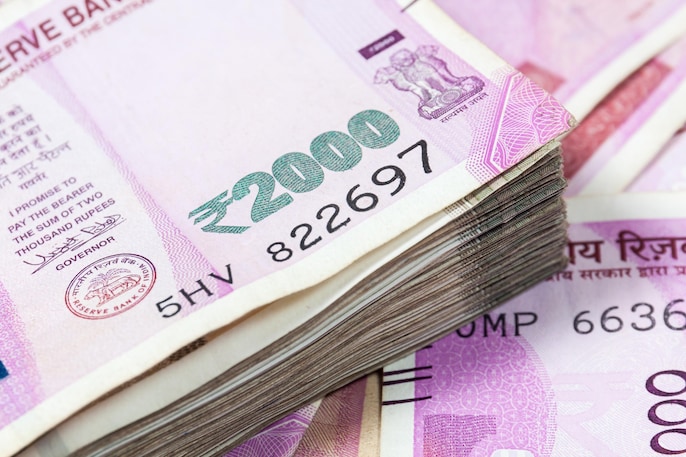
After notes were demonetised in November 2016, ₹15.31 lakh crore of ₹15.41 lakh crore came back, or 99.3%, according to RBI's 2017-18 annual report. The ₹2,000 withdrawal is at 98.47%, so 1.53% of the notes are still out, more than double the 2016 shortfall of about 0.7%.
RBI's next count will appear on its currency press release page whenever it publishes one. If you find a ₹2,000 note, you don't need to rush, because it is still legal tender. But the only places that take it are the 19 RBI offices and the India Post route, so plan for that.
 Daily Calls: Ask Your STOCK MARKET TODAY QUERIES | Market Update | Share Market News Today
 Which Sectors Are Losing Favour? Why Investors May Need To Rethink Metals, Cement & Realty Bets
 I.T. Stocks Outlook: Earnings Growth Remains A Key Concern Amid AI Disruption
 Why Telecom Is A Top Pick: Strong Cash Flows, Better ROE And Long-Term Growth Opportunities
 Tata AutoComp Opens 3 Gujarat Plants, Plans New Facilities To Cut Import Dependence