
With over 8,133 tonnes, the United States holds the largest gold reserve on Earth. Stored across Fort Knox, Denver, and the New York Fed, America’s stash is worth nearly $682 billion — a cornerstone of global confidence in the dollar.

Germany’s 3,351 tonnes are a golden anchor for Europe’s economy. After repatriating much of its bullion from the US and France, the Bundesbank now guards its gold as a national security asset.
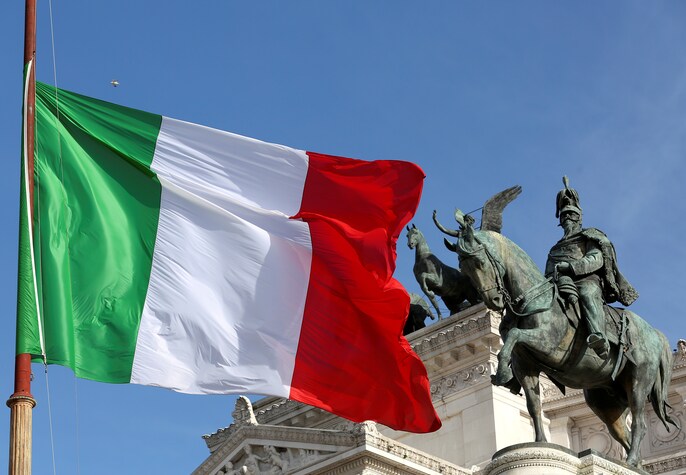
Italy’s central bank, with 2,451 tonnes, treats gold as a sacred safeguard against economic volatility. Despite political shifts and Eurozone crises, its gold policy has remained unwavering.

France’s 2,437 tonnes of gold represent both heritage and strategy. The Banque de France stores its bullion under heavy guard in Paris, reinforcing the nation’s long-standing reputation for financial prudence.
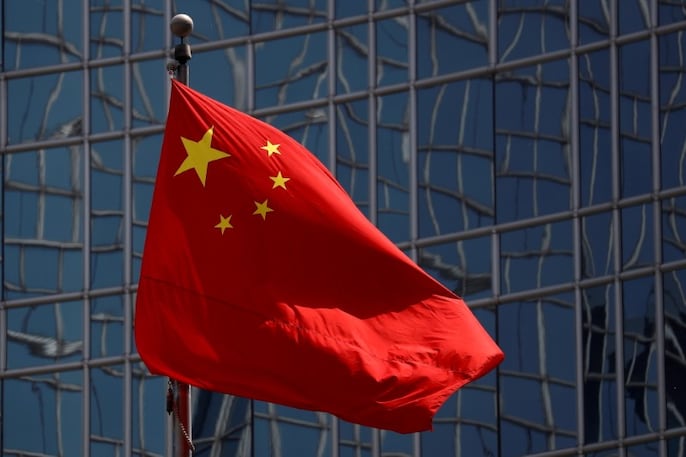
China’s 2,279 tonnes reflect its push to diversify away from the US dollar. The People’s Bank of China has been steadily increasing its reserves — a golden signal of its rising geopolitical ambition.

Switzerland, home to the world’s financial elite, guards 1,039 tonnes of gold in its Alpine vaults. With one of the highest per-capita gold ratios globally, neutrality has clearly paid off in bullion.

India’s 876 tonnes of gold reinforce both tradition and economic strategy. As the world’s second-largest consumer of gold, the Reserve Bank’s growing reserves mirror the country’s appetite for security and stability.
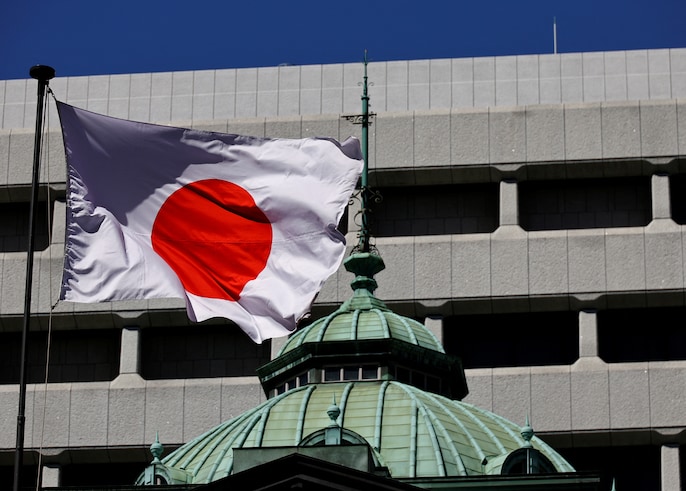
Japan’s 845 tonnes support its massive foreign exchange reserves. Known for its cautious monetary policy, Tokyo balances global investments with this solid golden foundation.

With 612 tonnes, the Netherlands maintains one of Europe’s most stable gold reserves. Much of it is stored in Amsterdam and abroad — a symbol of resilience for a trade-driven economy.

Poland has aggressively expanded its reserves to 448 tonnes, marking its ascent as Central Europe’s new financial stronghold. The Narodowy Bank Polski’s gold-buying spree reflects a push for independence in turbulent markets.
 Gold Price Target 2026: Expert Sees MCX Gold At ₹1.8 Lakh By Year-End Amid Strong Demand
 Health Insurance: Why Pre-Existing Diseases And Waiting Periods Matter For Buyers
 Crude Oil Above $100: How High Energy Prices And Rupee Weakness Impact Gold Prices In India
 CEA On India’s Manufacturing Rise, Atmanirbhar Bharat And Modi’s Economic Policy
 Health Insurance Buying Guide: 7 Things First-Time Buyers Must Check Before Choosing A Policy