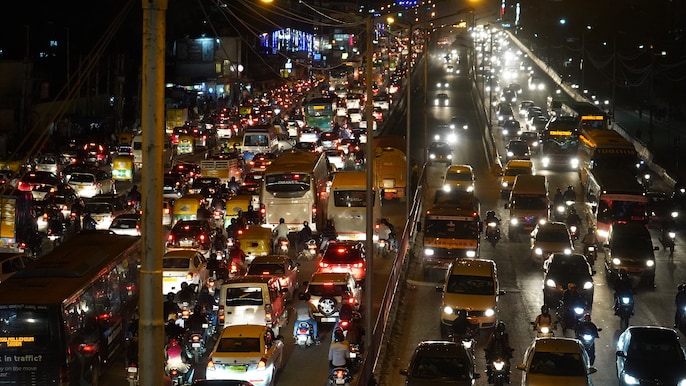
The Cabinet approved Delhi’s ₹1,789.52-crore Intelligent Traffic Management System on September 30. Delhi Police will implement it across 42 identified corridors in three phases over 24 months, followed by five years of operation and maintenance.
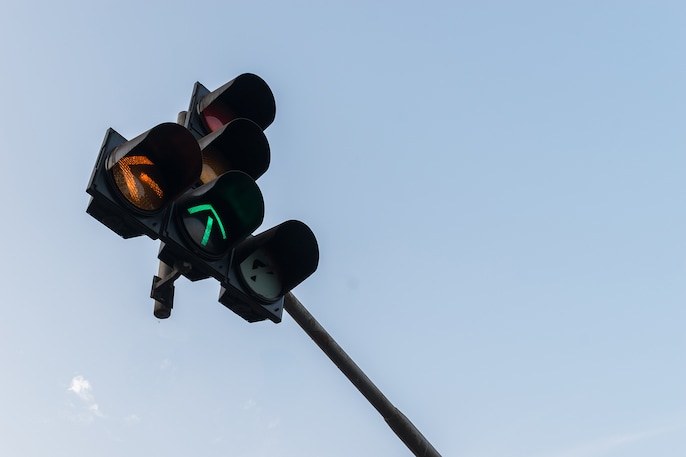
Adaptive signals will adjust their timings to prevailing traffic and coordinate along selected corridors. The project covers 1,092 adaptive-control locations. Its stated purpose is to reduce avoidable stopping and waiting on the existing road network.

The planned system will support green corridors and priority passage for ambulances and other emergency vehicles. This feature is intended to help them negotiate congested stretches more quickly; the announcement does not guarantee a fixed response-time saving.
Electronic message boards and digital platforms will provide congestion, diversion and parking information. The announcement also allows for sharing relevant information with navigation providers. It does not identify a consumer app that already delivers the complete service.
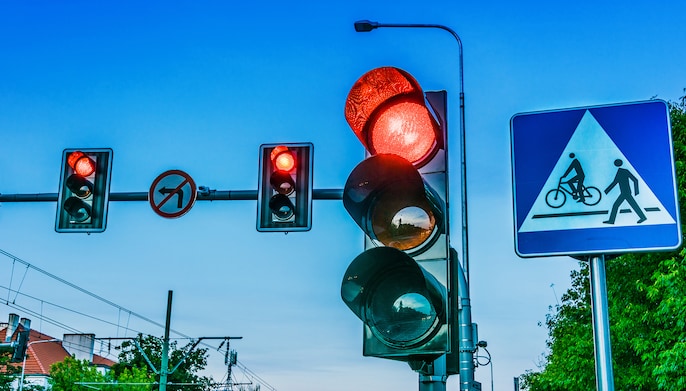
The project includes 1,029 enforcement locations. Planned detection covers speeding, red-light violations, wrong-way driving, illegal parking and failures to use helmets or seat belts. It also includes identifying mobile-phone use while driving.

Later phases depend on assessment of the preceding phase against testing, commissioning and performance requirements. C-DAC will provide technical support and validation. Approval is therefore the start of implementation, rather than evidence that all 42 corridors are already upgraded.
 RBI Rate Hike Ahead? Impact On Banks, FMCG, Auto & Real Estate Explained
 Finance Ministry Sees India’s Q2 Economy On Strong Footing As Domestic Activity Holds Firm
 Flydubai Flight Scare: Pilot Stabbed, Hijack Alert And Sudden Descent Spark Probe
 PROMO | 27 Years Of BT Golf | BT Golf 2026-27 Tees Off On 19 October 2026
 S Jaishankar Warns Of The 4F Threat, Even As Top Policymakers Flag Big Economic Concerns