
James Cameron’s Avatar saga has crossed a line no franchise ever has. With Fire and Ash racing past $750 million in just 10 days, the trilogy has officially breached the $6 billion mark worldwide, a figure rival studios once dismissed as mathematically impossible.

No trilogy in cinema history has ever touched $6 billion — until now. Industry trackers and box-office analysts note that even pop-culture juggernauts like Star Wars and Marvel stalled well short of this number, underscoring how singular Avatar’s run truly is.
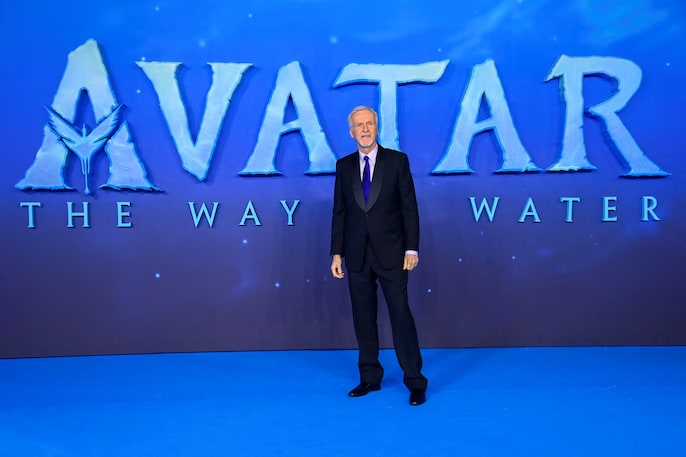
With Avatar: Fire and Ash on track for $1 billion, James Cameron is poised to become the first director ever with four consecutive $1B global hits — a streak spanning nearly three decades of box-office dominance.
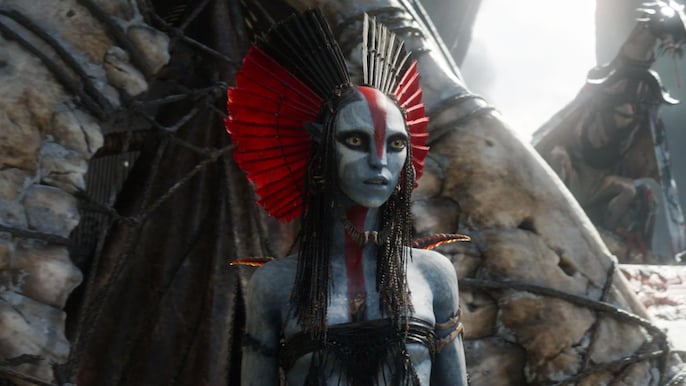
Hitting $750 million in under two weeks places Fire and Ash among the fastest-grossing films of the decade. Box-office data firms say this early velocity often signals a long theatrical tail — and potentially another billion-dollar finish.

Released in 2009, Avatar earned nearly $2.9 billion. The Way of Water followed with $2.3 billion. Add Fire and Ash’s current momentum, and the numbers form a pattern analysts now call “Cameron-proof” — immune to franchise fatigue.

The distance between Avatar and its closest competitors is stark. The original Star Wars trilogy sits at $4.48 billion, while Jurassic World and Spider-Man trilogies hover below $4 billion — figures Avatar surpassed without crossovers or shared universes.
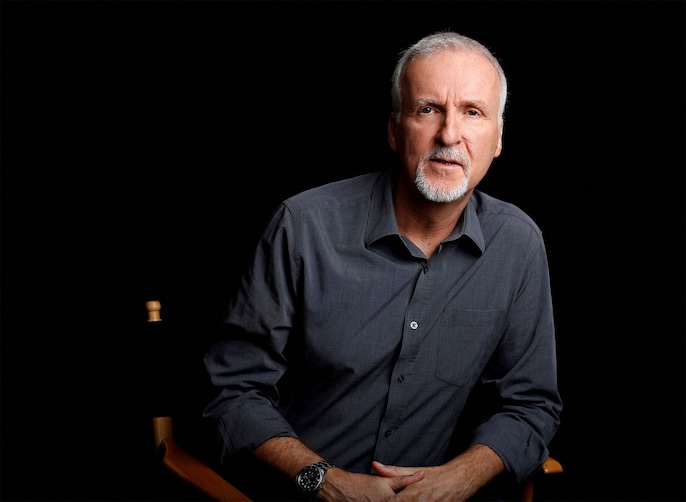
For years, Hollywood believed sequels diminish returns. Avatar has flipped that assumption. Film economists point out that Cameron’s sequels didn’t just match expectations — they expanded audiences, particularly across international and premium IMAX markets.

From Titanic to Avatar, Cameron has turned billion-dollar box office runs into routine events. Trade publications note that no other director has repeatedly rewritten global benchmarks across different eras, formats, and audience generations.
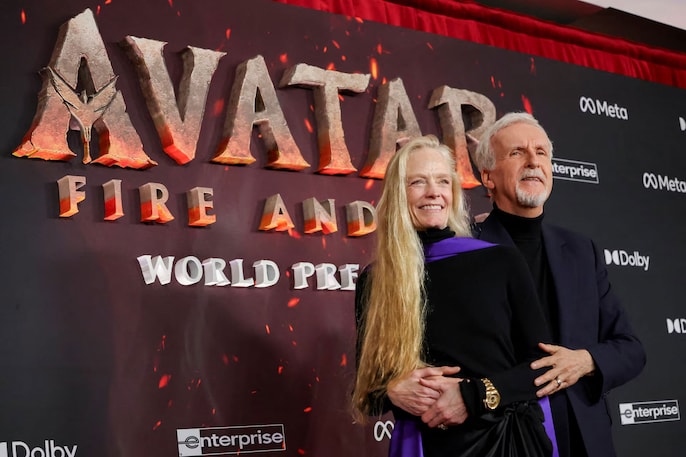
If Fire and Ash pushes beyond $2 billion, Cameron would achieve something previously unthinkable: four $2B films in a row. Studio executives quietly admit that such a feat may never be replicated — even in the age of franchises.
 Market Masters | Aniruddha Sarkar On Top Sectors, Market Outlook & Where To Invest
 Daily Calls: Ask Your STOCK MARKET TODAY QUERIES | Market Update | Share Market News Today
 All About Debt Funds: Types Of Debt Funds & How To Invest | Mutual Fund Guide | Money Today
 “India Can Attract Global Space Talent Like A Magnet”: PM Modi To Startup CEOs
 CM Yogi Responds To Rahul Gandhi Over Manusmriti Remarks, India's Youth, And Heritage