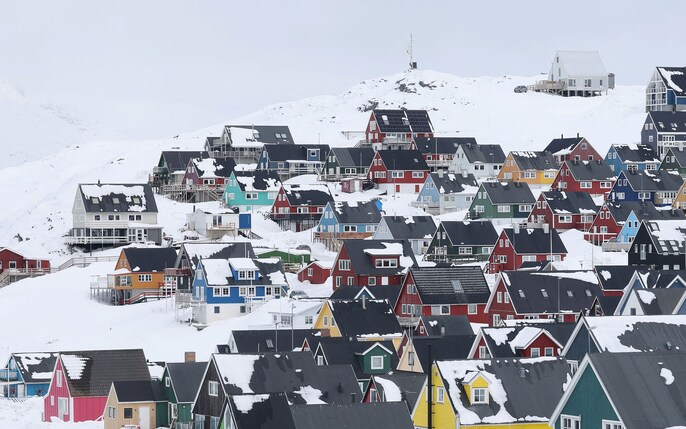
Beneath Greenland’s ice lies a geopolitical jackpot. From missile-warning radars to rare-earth minerals, the island packs outsized strategic weight. Defence analysts say climate change is stripping away ice—and exposing power—faster than diplomacy can keep up.
Greenland sits at the centre of a high-stakes Arctic board game. Wedged between the US and Russia, it oversees vital air and sea corridors. NATO planners quietly describe it as the “queen square” of northern defence strategy.
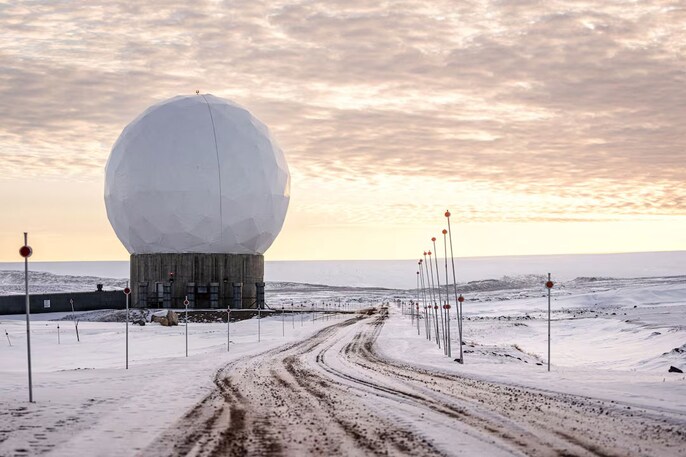
At Pituffik Space Base, US radar systems stare north, watching for missile launches across the polar arc. Military experts note that this early-warning edge could shave critical minutes off response times—minutes that decide wars.
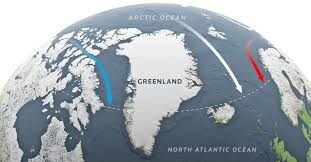
Greenland hosts 25 of the EU’s 34 critical raw materials, including rare earths vital for EVs, wind turbines, and advanced weapons. With China dominating supply, Western governments see Greenland as a strategic escape hatch.
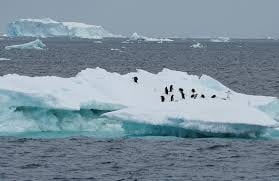
As Arctic ice retreats, new shipping lanes emerge—shorter, faster, and harder to police. Maritime economists warn these routes could reshape global trade, making Greenland a gatekeeper to tomorrow’s sea highways.
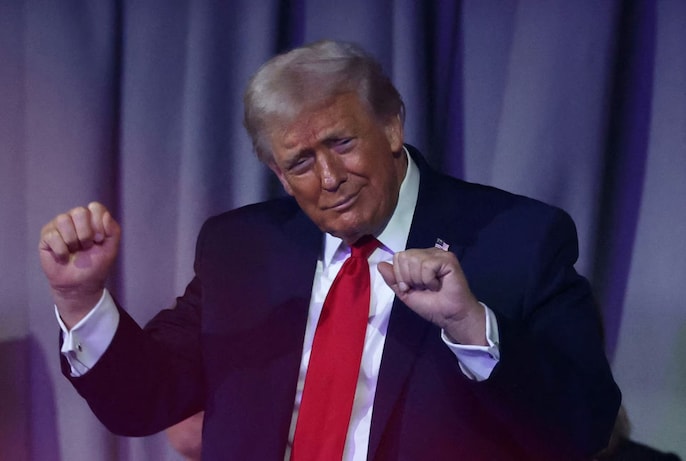
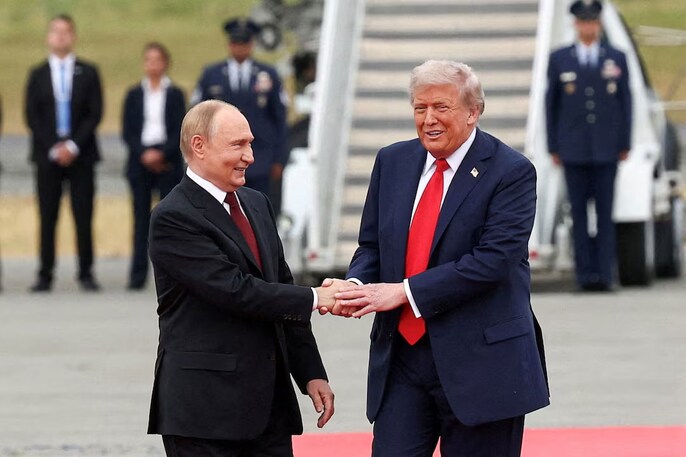
US interest isn’t new. From WWII airbases to Cold War surveillance, Greenland has long been a silent sentinel. Trump’s rhetoric revives an old instinct: control geography before rivals do.
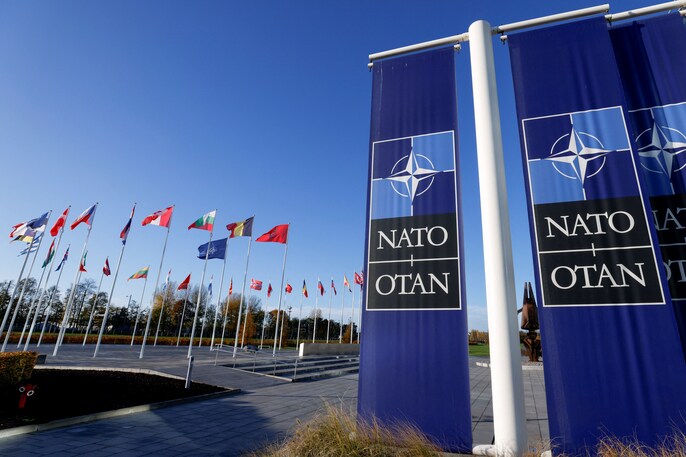
Trump’s comments jolted allies. Denmark warns that forced moves could fracture NATO unity. European leaders insist Greenland’s future isn’t a bargaining chip—but a test of alliance values.
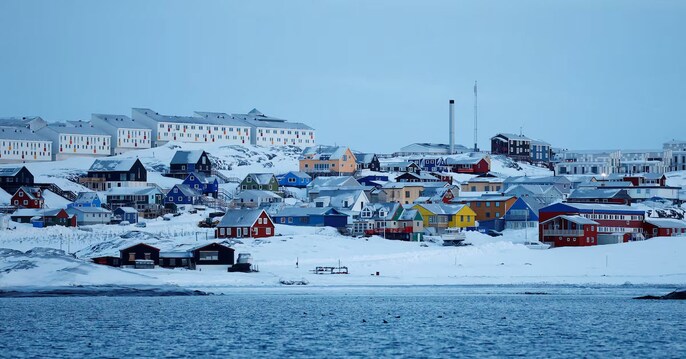
Greenland’s 57,000 residents are often missing from grand strategy maps. Local leaders stress self-determination, pushing back against annexation fantasies while navigating superpower attention with wary pragmatism.
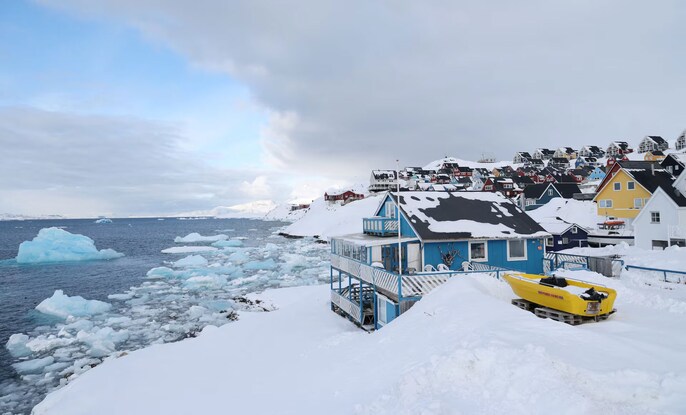
What looks like a land grab is really climate geopolitics. As ice melts, power shifts. Analysts argue Greenland isn’t about territory—it’s about who controls the post-ice world.
 Gold Price Target 2026: Expert Sees MCX Gold At ₹1.8 Lakh By Year-End Amid Strong Demand
 Health Insurance: Why Pre-Existing Diseases And Waiting Periods Matter For Buyers
 Crude Oil Above $100: How High Energy Prices And Rupee Weakness Impact Gold Prices In India
 CEA On India’s Manufacturing Rise, Atmanirbhar Bharat And Modi’s Economic Policy
 Health Insurance Buying Guide: 7 Things First-Time Buyers Must Check Before Choosing A Policy