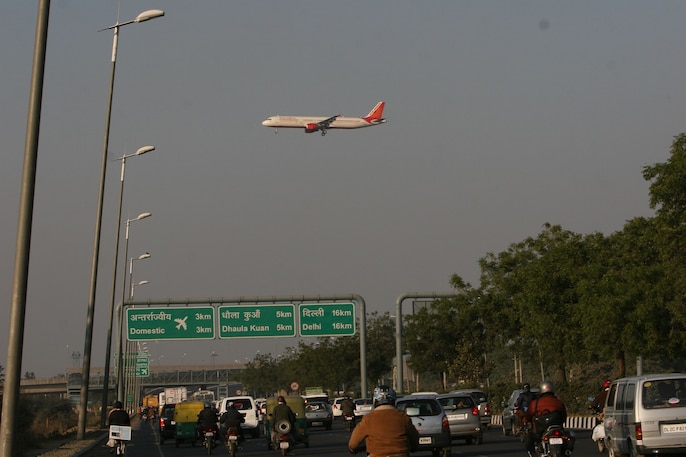
NHAI has issued no-objection certificates for MCD’s proposed multi-lane free-flow gantries at Jhinjholi Border on UER-II/Harewali and Kundli Border/KGT Main on NH-44. The approvals allow work at these two highway locations to proceed; they do not mean the system is already operational. (Representative image)
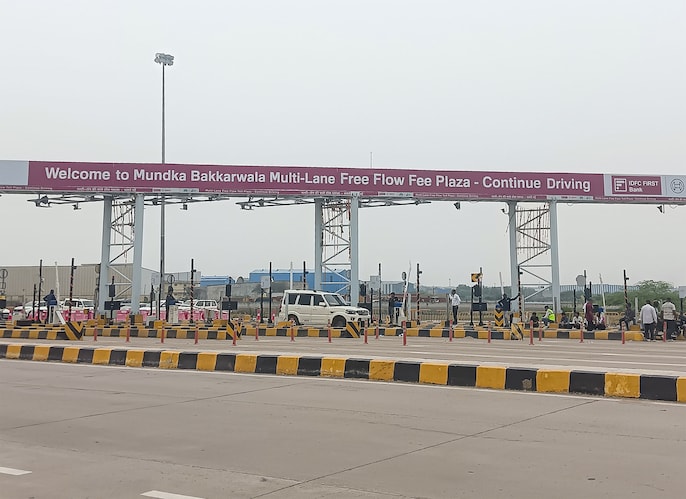
An MLFF system reads vehicles while they remain in motion, using equipment mounted on overhead gantries instead of physical barriers. For Delhi, the purpose is to collect the municipal entry fee and environment compensation charge from specified commercial vehicles without creating a queue at the border.
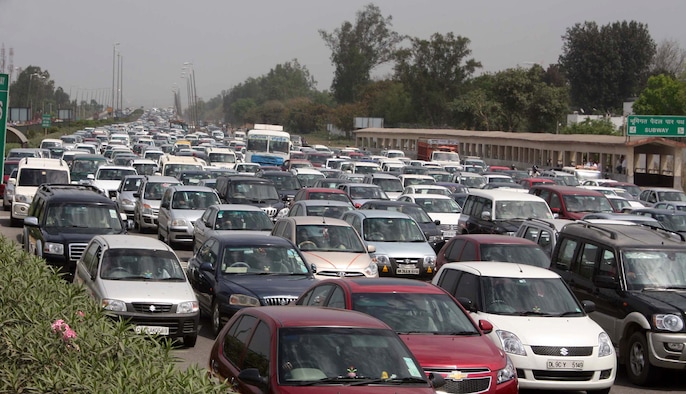
The Supreme Court-backed plan calls for RFID and automatic number plate recognition at all 126 MCD toll-collection points. ANPR can identify a registration number, while RFID can identify the tag associated with the vehicle, allowing the system to record a crossing without a booth attendant. (Representative image)
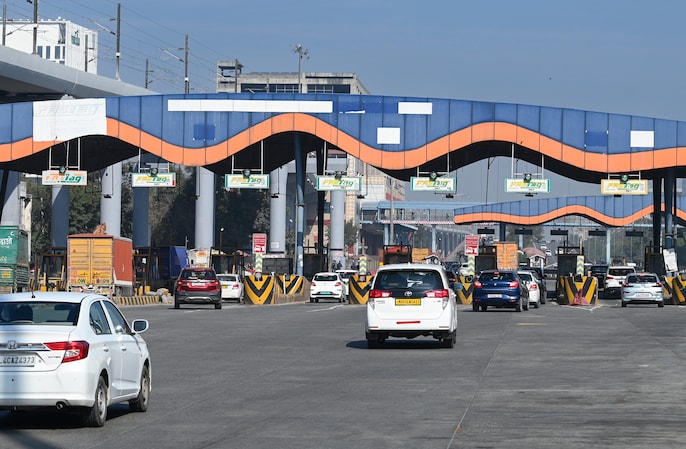
Drivers should not assume that the Delhi project will immediately use the FASTag already fixed to their windscreen. The Centre has urged MCD to adopt FASTag-based collection, but MCD continues to operate a separate RFID-tag system, according to the September 16 report. (Representative image)
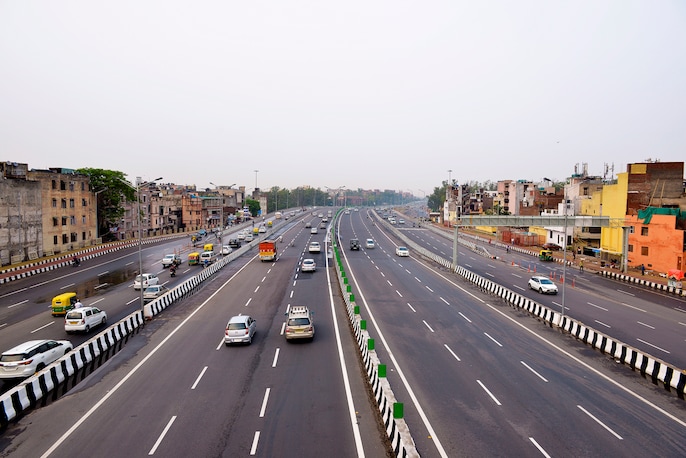
Officials said NHAI and MCD were jointly checking the proposed sites and processing feasibility reports for 10 additional highway locations. NHAI’s condition is that these stretches remain fully barrier-free and that manual collection must not obstruct moving traffic. (Representative image)
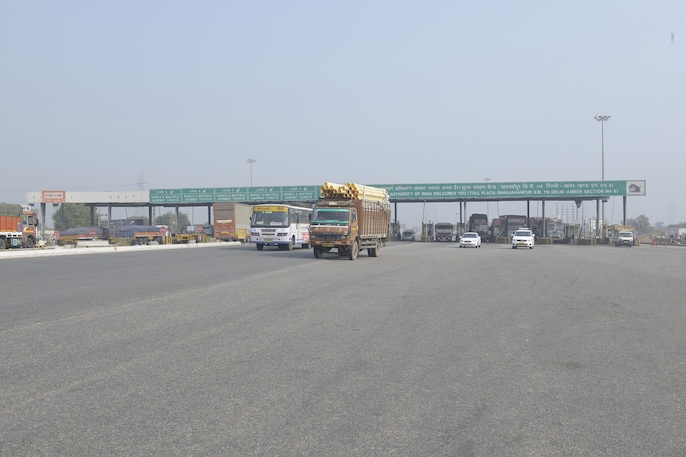
The Supreme Court’s recommendations called for the technology at all 126 Delhi toll points by October 2026. With two NHAI gantry approvals reported and site work still pending elsewhere, commuters should treat October as the project target—not a promise that every border lane is already booth-free. (Representative image)
 ₹3,383-Crore MLA Turns Beggar In Mumbai: Why BJP’s Parag Shah Took To Ghatkopar Streets
 Bengaluru Fake Medicine Racket: Counterfeit Drugs Supplied To 90+ Hospitals, Pharmacy Owner Held
 UPI Charges From October 15? What The New MDR Rules Mean For You
 UPI Payments Above ₹2,000 Face MDR: Who Pays The New Fee?
 Indian Markets Face More Sell-Off? Crude, U.S. Yields & Fed In Focus | Stock Market News