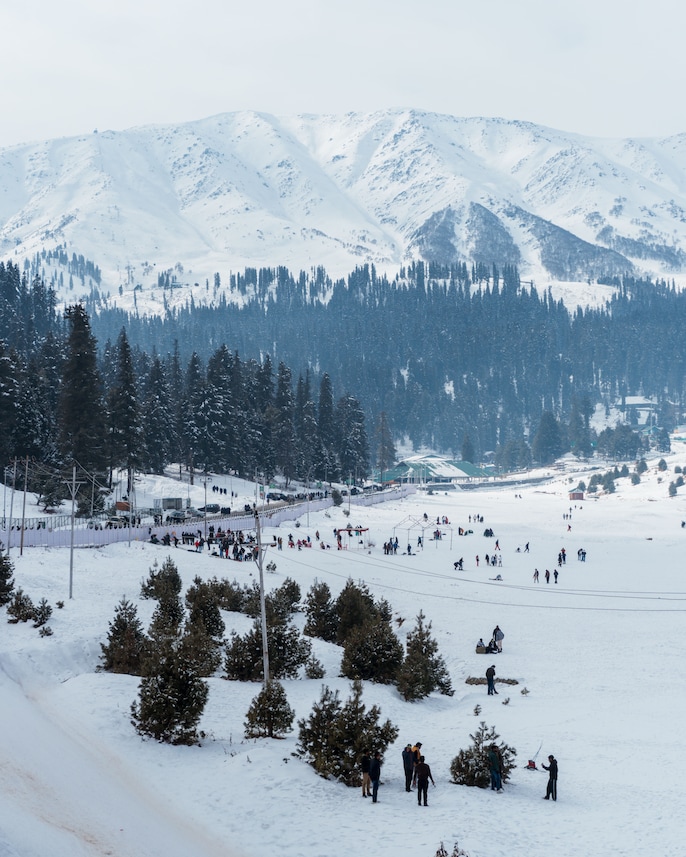
On 24 January this year, snow up to four feet deep closed the Srinagar–Jammu highway, and flights out of Srinagar were suspended. Hundreds of vehicles were stranded on both sides. The Vande Bharat to Srinagar ran anyway, through tracks lined with snow. As this winter's snow arrives, here are two train journeys that turn the trip itself into the sightseeing.
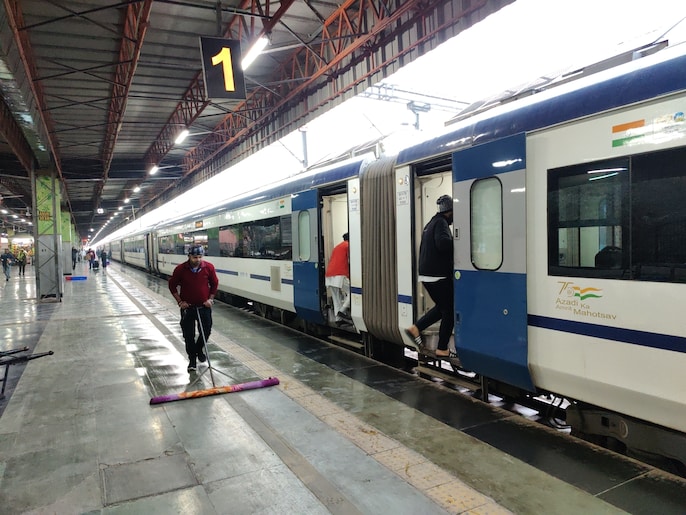
Since 2 May, the Vande Bharat has run all the way from Jammu Tawi to Srinagar, about 267 km. The morning train (26401) leaves Jammu at 6:20 am and reaches Srinagar at 11:10 am, stopping at Katra and Banihal. It doesn't run on Tuesdays. The return (26402) leaves Srinagar at 2 pm. Chair car fares were reported from about ₹715 at launch.
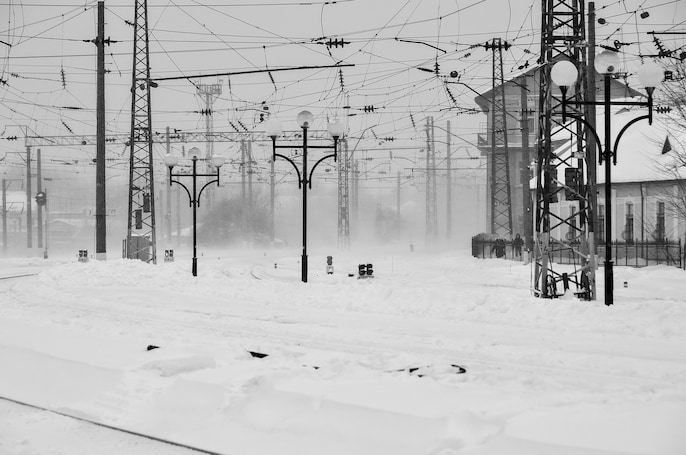
The Kashmir Vande Bharat is fitted for the cold:
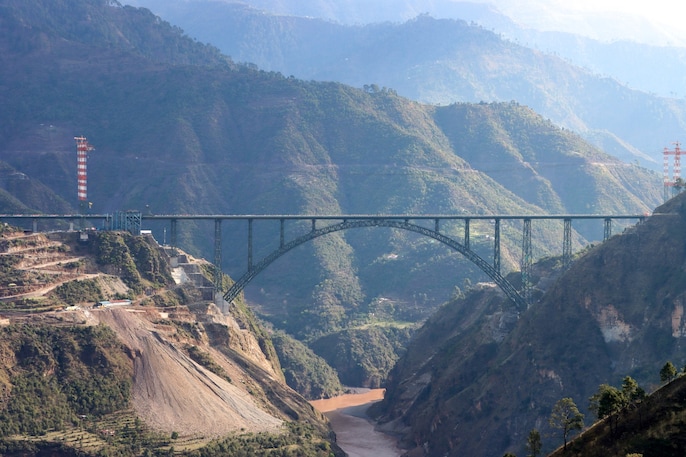
The route runs over the Udhampur–Srinagar–Baramulla Rail Link (USBRL). It is 272 km long, cost ₹43,780 crore and has 36 tunnels covering 119 km. Its Chenab Bridge stands 359 metres above the river, 35 metres taller than the Eiffel Tower. The Anji Khad Bridge, 331 metres high, is India's first cable-stayed rail bridge. On the Katra–Banihal stretch, nearly 88% of the line runs through tunnels or over bridges.
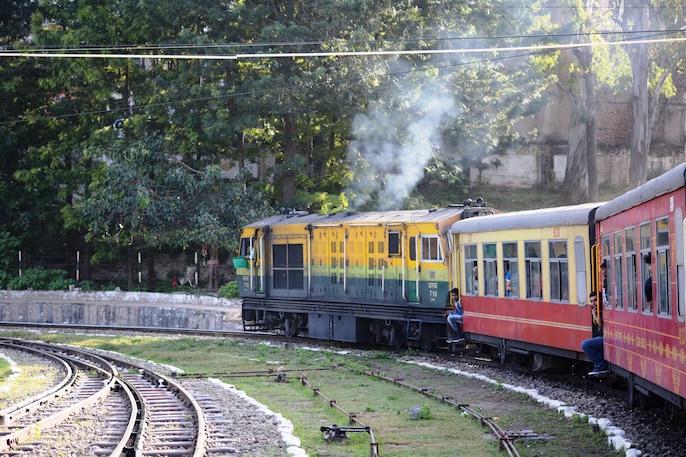
For snow in Himachal, the Kalka–Shimla narrow-gauge line climbs 96 km through 102 tunnels and more than 800 bridges. It opened in 1903 and became a UNESCO World Heritage site in 2008. Its longest tunnel, at Barog, is 1,143 metres. In January, a video of the train running through fresh snow went viral.
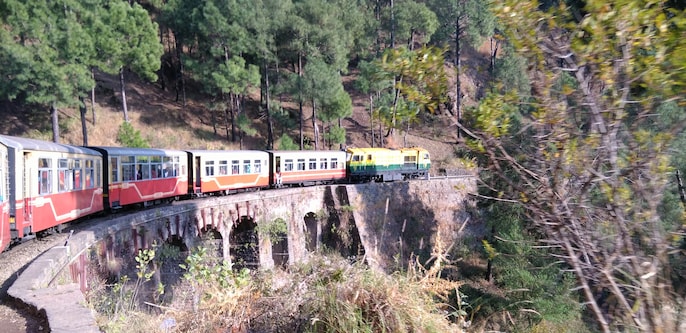
Three daily trains run from Kalka, each taking about five hours:
These are ixigo's listed fares for 27 November.
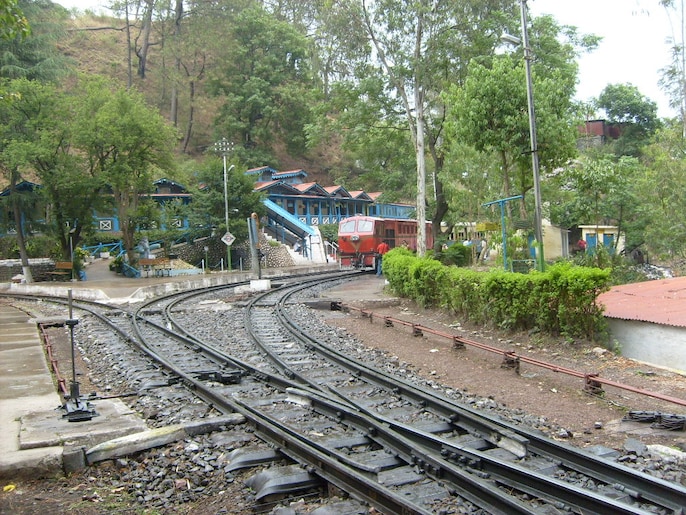
Snow is never guaranteed. Last season, most inhabited parts of Kashmir got their first real snowfall only on 22–23 January. Book through IRCTC and check the running status on the day. Heavy snow can still delay trains even when they run. In Shimla, the stretch near the town gets snow more often than the lower hills.
 GSK's BLENREP Launch: What's Next For Its India Cancer Business?
 Nifty 2027 Outlook: Why Reliance, TCS & Banks Hold The Key | Sunny Agrawal
 Stay Away From QSR & Gold Loan Stocks? Sunny Agrawal Flags Key Market Traps | SBI Securities
 From Discount Brokers To Auto Ancillaries: Where To Invest Now | Sunny Agrawal
 AI Trade Unwind, Rupee Surge & Q2 Earnings: What’s Fueling D-Street’s Rally? | Sunny Agrawal