
Your job isn’t just a salary—it’s a wealth machine in disguise. Treat every role, raise, and skill upgrade as an investment. According to Harvard research, skill growth compounds faster than savings ever can.

Every promotion whispers luxury—new phones, cars, dinners. But “lifestyle inflation” silently kills wealth. Economists say consistent savers outperform high earners over 15 years. Discipline beats desire.
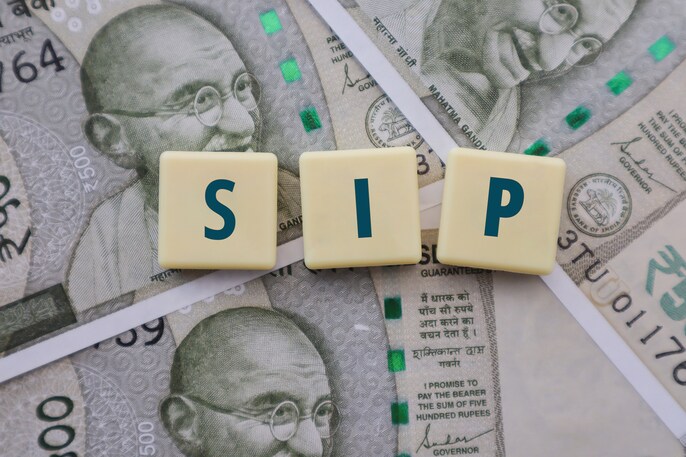
Savings feel safe, but inflation erodes them. Investing—through SIPs, index funds, or retirement plans—turns every rupee into a silent worker. Let compounding become your second salary.

In 2025, income streams define stability. Freelancing, online coaching, or digital products can turn weekend hours into wealth. It’s not about quitting—it's about building quietly beyond the 9-to-5.

Not all loans are evil. Experts divide debt into two kinds—those that grow assets and those that drain you. A house or degree may add value; credit cards almost never do. Know your balance before it’s gone.

Real wealth isn’t cinematic—it’s slow, quiet, and patient. Compounding doesn’t reward excitement, it rewards endurance. The millionaire next door is rarely in a hurry, just consistent.

Negotiate smarter, not harder. Studies show employees who switch jobs strategically every 2-3 years earn 20–30% more long-term. Loyalty looks noble but often costs you growth.
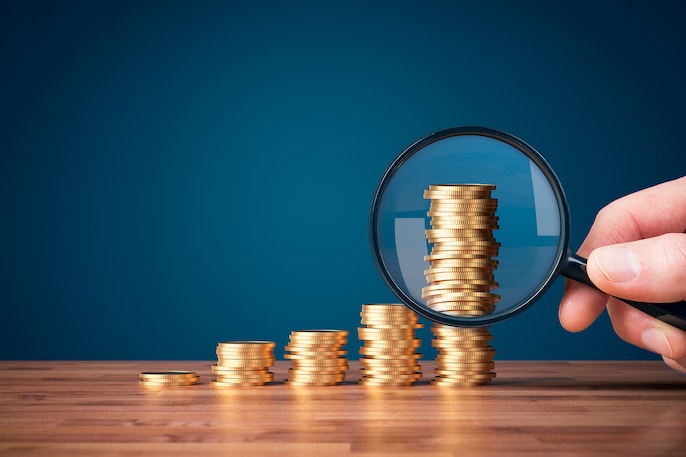
Set and forget your wealth. Automated SIPs and recurring investments turn inertia into advantage. Behavioral economists call this “lazy wealth”—money that grows because you don’t meddle.

Financial independence isn’t about retiring early—it’s about choice. When your money starts earning more than you do, you stop trading time for survival and start living on your terms.
 Gold Investment Options: ETFs, EGR And MCX Explained | How To Invest In Gold Beyond Physical Buying
 Redmi Note 17 Pro Max Review , Vivo V80, Vivo Vision | Tech Gear EP 20 | Business Today
 Mahindra XUV 3XO ZNG Review: Turbo Power Meets CNG Mileage
 Gold, Silver Prices: Limited Upside Ahead Of Diwali? Expert Sees Gold At ₹1.5 Lakh, Silver At ₹2.3
 Expert Names REITs And INVITs To Watch For Quarterly Payouts And Potential Investment Returns