One in seven stroke patients in India is under 45. That’s not a typo — it’s national registry data from ICMR analysing nearly 35,000 cases. A disease once seen as “old age territory” is quietly targeting India’s working-age population.

Hypertension tops the risk chart, affecting nearly three-quarters of stroke patients across age groups. Doctors warn that unchecked blood pressure, especially in people in their 30s and 40s, is rewriting India’s stroke story.

Sedentary jobs, long screen hours, irregular sleep, and relentless stress are now common denominators. Neurologists say modern urban lifestyles are accelerating vascular ageing — sometimes decades ahead of schedule.

Only 20% of patients reached hospitals within the 4.5-hour golden window. Nearly 40% arrived after 24 hours — when critical treatments like thrombolysis are no longer viable. In stroke care, minutes mean neurons.
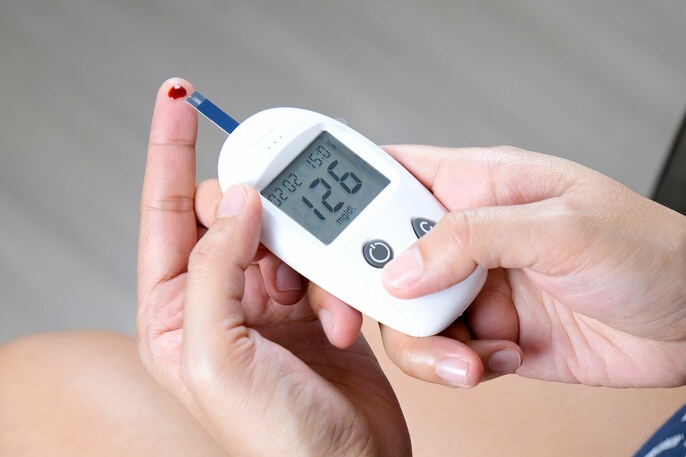
Diabetes, tobacco use, alcohol and dyslipidemia are surging among young adults. Registry data mirrors global cardiovascular studies showing India’s youth carrying “middle-age” risk profiles far too early.

Beyond lifestyle, emerging causes like sleep apnoea, cardioembolic conditions, and rare vascular disorders are gaining attention. Specialists say these underdiagnosed risks could explain unexpected strokes in seemingly healthy young adults.

More than half of stroke patients face death or significant disability within three months. For younger individuals, this means decades of lost productivity — and a growing socioeconomic burden.

Face drooping. Arm weakness. Speech difficulty. Time to act. Despite global awareness campaigns, delayed recognition remains widespread in India — costing thousands their best chance at recovery.

CDC and WHO guidelines emphasise blood pressure control as the single most powerful preventive tool. Experts say India’s rising young-stroke burden is not inevitable — but it demands urgent screening, awareness, and policy reform.
 Market Masters | Aniruddha Sarkar On Top Sectors, Market Outlook & Where To Invest
 Daily Calls: Ask Your STOCK MARKET TODAY QUERIES | Market Update | Share Market News Today
 All About Debt Funds: Types Of Debt Funds & How To Invest | Mutual Fund Guide | Money Today
 “India Can Attract Global Space Talent Like A Magnet”: PM Modi To Startup CEOs
 CM Yogi Responds To Rahul Gandhi Over Manusmriti Remarks, India's Youth, And Heritage