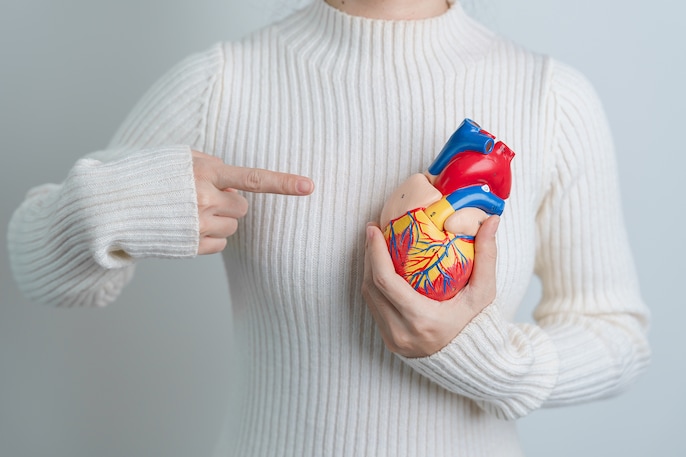
That innocent can may not be so innocent. Multiple observational studies have linked daily diet soda intake to higher risks of cardiovascular events, including stroke and heart failure. Researchers caution correlation isn’t causation — but the pattern is loud enough to raise eyebrows.

“Diet” doesn’t always mean lighter. Some studies suggest artificial sweeteners may disrupt appetite signals, increasing cravings for calorie-dense foods. Ironically, the zero-calorie swap could quietly nudge the scale in the opposite direction.

A 2017 study tracking over 3,000 adults found those consuming one or more artificially sweetened beverages daily were significantly more likely to experience stroke or dementia. The mechanism isn’t fully understood — but neuroscientists say it warrants caution.
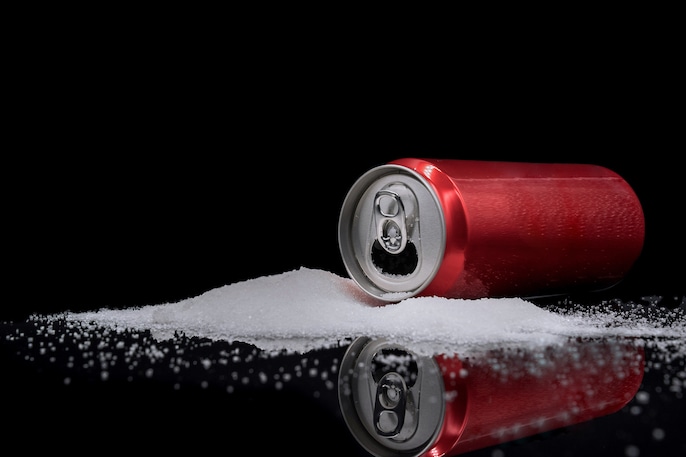
Artificial sweeteners can be hundreds of times sweeter than sugar. Research suggests the brain’s reward centers may respond similarly — potentially intensifying cravings instead of calming them. The result? A cycle that feels sugar-free but acts sugar-hungry.
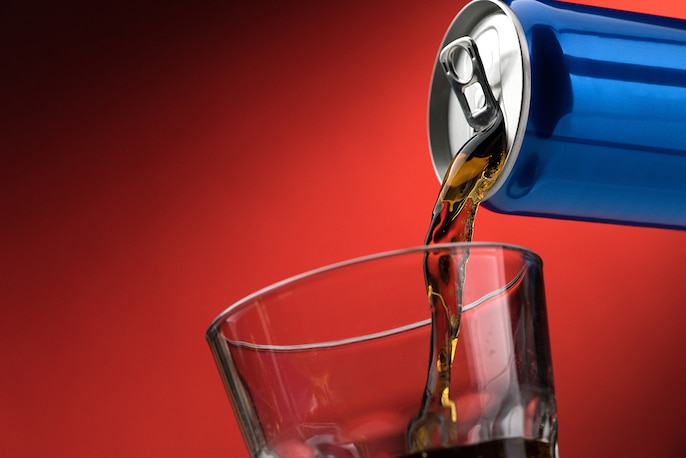
Emerging microbiome research indicates artificial sweeteners may alter gut bacteria balance. Since gut health influences immunity, metabolism, and even mood, some scientists argue this invisible disruption could have ripple effects far beyond digestion.
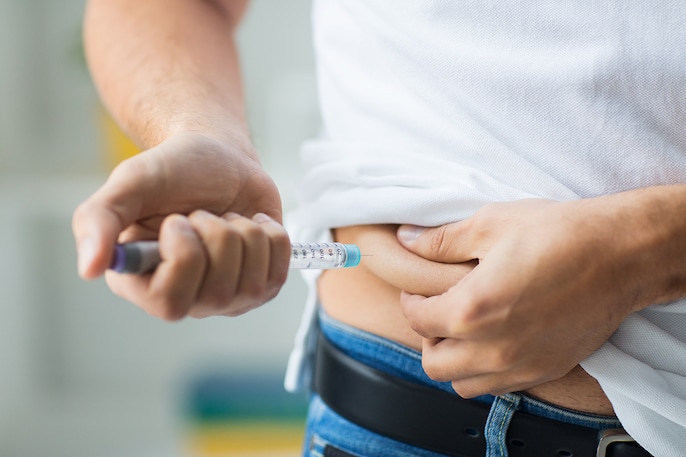
Contrary to early assumptions, certain sweeteners like sucralose may still trigger insulin responses. Studies have shown spikes in both insulin and blood sugar in some individuals, raising concerns about long-term insulin resistance and metabolic strain.

Both diet and regular sodas contain phosphoric acid, which may interfere with calcium absorption. Combined with caffeine, frequent consumption has been associated in some studies with lower bone mineral density — especially in women.
Research links frequent artificially sweetened beverage intake with higher risk of hypertension. While weight gain and metabolic factors may play a role, cardiologists suggest habitual consumption deserves closer scrutiny.
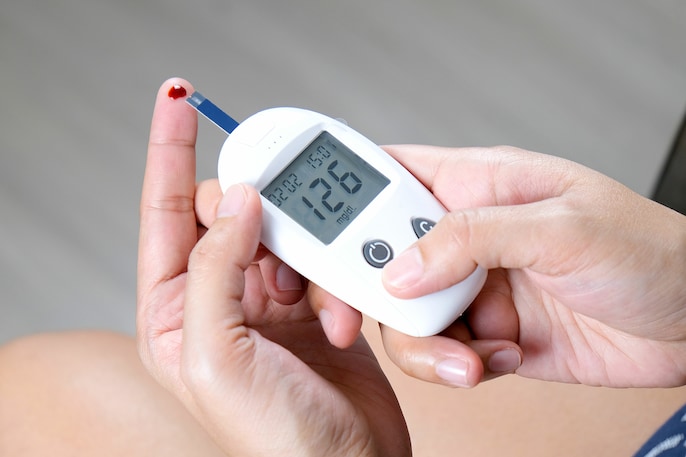
Ironically, several large cohort studies associate daily diet soda intake with increased risk of type 2 diabetes. While not definitive proof of cause, experts say the metabolic signals involved make moderation a wise move.
 AI At Scale: The New Infrastructure Mandate For India Inc.
 4 Financial Mistakes Women Must Avoid To Build Long-Term Wealth
 How Women Can Start Investing With Just ₹1,000 A Month: A Simple Guide For Beginners
 Health & Term Insurance Every Woman Should Consider For Better Financial Security
 "Safe Food, Safe Maharashtra": FDA Chief Tukaram Munde Defends Statewide Crackdown On Eateries