


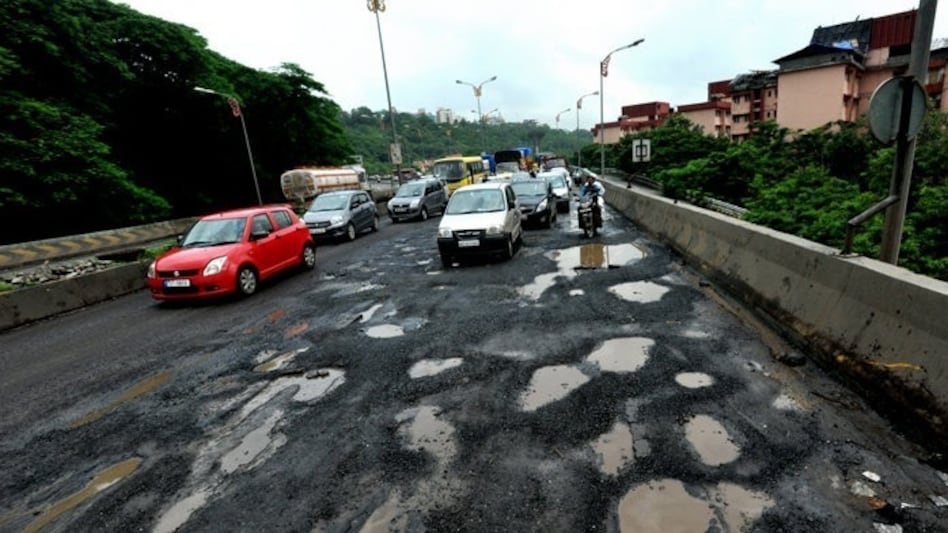
 India’s infrastructure struggles under the weight of rapid urbanisation — potholed roads, inadequate public transport, frequent power outages and water shortages.
 In a candid post on X (formerly Twitter), Rajeshwari Iyer, a former IITan and an NRI, shared her two-month experience in Tokyo, highlighting Japan’s high standards in civic life, governance, and meritocracy — and urging India to take cues from the East Asian nation to achieve developed-country status.
“Air quality is excellent, water is safe to drink, food labels are honest, and people are genuinely friendly,” she wrote, praising Japan’s respect for talent, adherence to laws, and strong civic sense. Iyer noted that while healthcare is expensive, it is of high quality — “That’s why Indian politicians prefer treatment abroad.”

 NSE fixes IPO offer price at Rs 1,785 per share
 BT Big Story: How the FCNR(B) deluge has created two new problems for the RBI
  ‘I think the world of Chandra,’ says JPMorganChase Chairman Jamie Dimon amid reappointment row
 Tata Sons to be split into smaller entities instead of listing? Here’s what we know
 iPhone 18 Pro users have a new problem: Face ID fails, phones reboot unexpectedly
 U.P Eyes Semiconductor Fabs | HCL-Foxconn Plant To Roll Out Products In 1.5 Years | Alok Kumar
 R Veeramani POCSO Case Widens: Multiple Survivors Traced | India Today Investigation
 Tata Tussle Escalates: N Chandrasekaran Row | What Lies Ahead For Tata Group And Stocks?
 Burqa Ban In Italy? Meloni Pushes New Rules On Face Coverings
 Tata Trusts-Tata Sons Row: Harish Salve Explains RBI Rules, Singhvi Flags Shareholder Rights
 ED names EaseMyTrip's Nishant Pitti in Mahadev betting app chargesheet; check stock reaction
 Dixon Tech shares: Why Nuvama raised target price, cut FY27 earnings estimateNSE fixes IPO offer price at Rs 1,785 per share
 Raymond shares soar over 80% in a month; here's what analysts say
 Adani Enterprises stock set for 28% upside, says Jefferies; cites these factors ED names EaseMyTrip's Nishant Pitti in Mahadev betting app chargesheet; check stock reaction
 iPhone 20 Pro display to get major upgrades: Apple may add bigger screens, quad-curved design and more Dixon Tech shares: Why Nuvama raised target price, cut FY27 earnings estimate
 CM Yogi Announces 1 Lakh+ UP Government Jobs In 6 Months, Cites 9.5 Lakh AppointmentsNSE fixes IPO offer price at Rs 1,785 per share












