


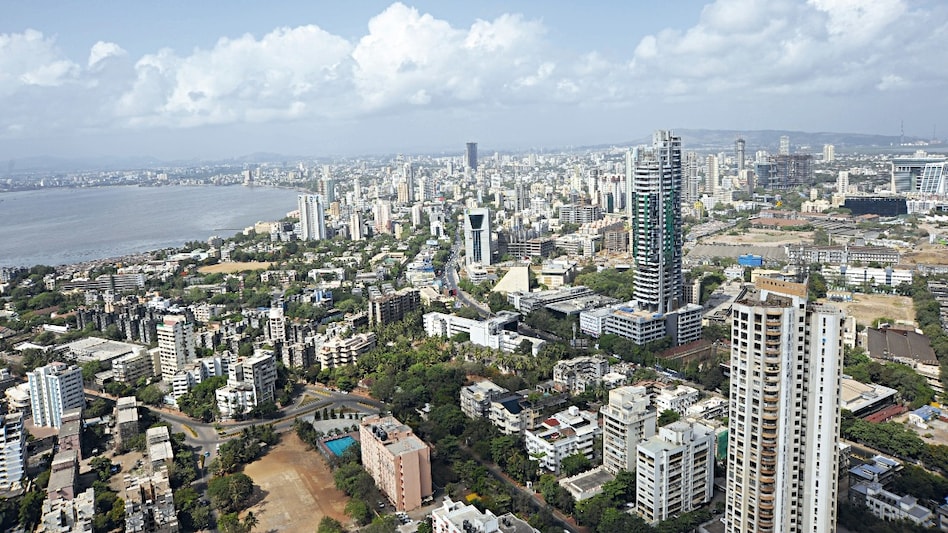
 With urban India experiencing rapid growth in education, healthcare, housing and lifestyle expenses, returning families often face a shock when translating global savings into Indian spending power.
 For many Indians working abroad, the idea of returning home often comes with a comforting assumption: that living costs in India remain far lower than in the West. But financial advisors say that assumption can lead to serious miscalculations — especially for families planning early retirement or relocation.
A recent case shared by SEBI-registered investment advisor Vivek S G highlights the growing gap between perception and reality when it comes to the cost of living in India’s major cities.

 Hormuz crisis exposed world's energy weak spots: Why the next shock could hurt more
 Jaiprakash Power shares jumped 10% today; here's why
 Accel, Tiger Global-backed Moneyview IPO opens on Sept 24; check price band, size & all key details
  Surprise surge in Indian electronic exports to China, shipments rise nearly 40%: Report
 ‘India has to de-risk from both China and the US’: Sanjaya Baru on the country’s external dependencies
 Gold Price Target 2026: Expert Sees MCX Gold At ₹1.8 Lakh By Year-End Amid Strong Demand
 Health Insurance: Why Pre-Existing Diseases And Waiting Periods Matter For Buyers
 Crude Oil Above $100: How High Energy Prices And Rupee Weakness Impact Gold Prices In India
 CEA On India’s Manufacturing Rise, Atmanirbhar Bharat And Modi’s Economic Policy
 Health Insurance Buying Guide: 7 Things First-Time Buyers Must Check Before Choosing A Policy
 Jindal Supreme IPO: How to check allotment status on Bigshare, BSE, NSE, fresh GMP & listing date
 Infosys, Tech Mahindra, TCS, Wipro: Why IT shares are down in a rising market today
  NSE IPO closes today: 15 brokers say 'subscribe' as issue attracts 20.4 lakh applications
 Lenskart Solutions shares fall as 2% equity change hands in block dealJaiprakash Power shares jumped 10% today; here's why
 'It's Now or Never': Amazon’s Zeba Khan talks about India's playbook for the Great Indian Festival 2026Jindal Supreme IPO: How to check allotment status on Bigshare, BSE, NSE, fresh GMP & listing dateInfosys, Tech Mahindra, TCS, Wipro: Why IT shares are down in a rising market today
  Box Office showdown: Mirzapur crosses ₹300 cr worldwide, but Hanuman Ansh rules as it nears ₹350 crNSE IPO closes today: 15 brokers say 'subscribe' as issue attracts 20.4 lakh applications












