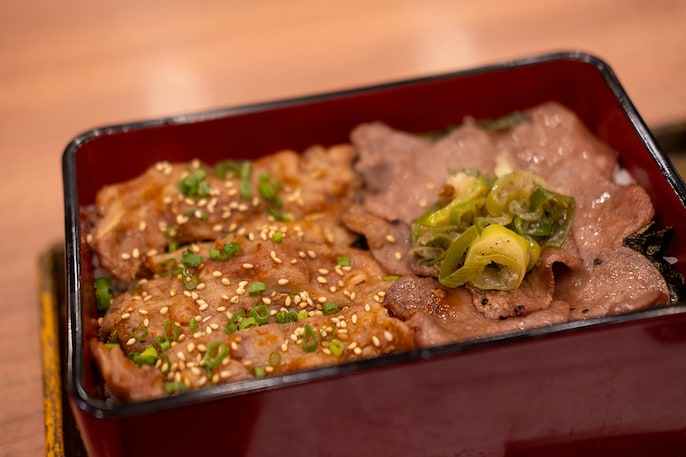
Tongue ticket
Sendai’s famous gyutan bento turns one of Japan’s more unexpected local delicacies into railway food. Thin slices of seasoned meat tongue are grilled, tucked beside rice and pickles, and packed for passengers racing through northeastern Japan at Shinkansen speed.
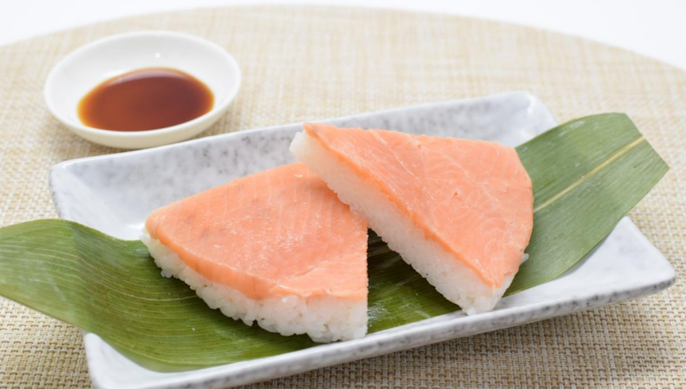
Sushi secret
Forget the familiar sushi roll. Toyama’s Masu no Sushi hides vinegared rice and delicate trout beneath fragrant bamboo leaves inside a round wooden box. The century-old speciality has become one of those railway meals travellers seek out before the train even arrives.
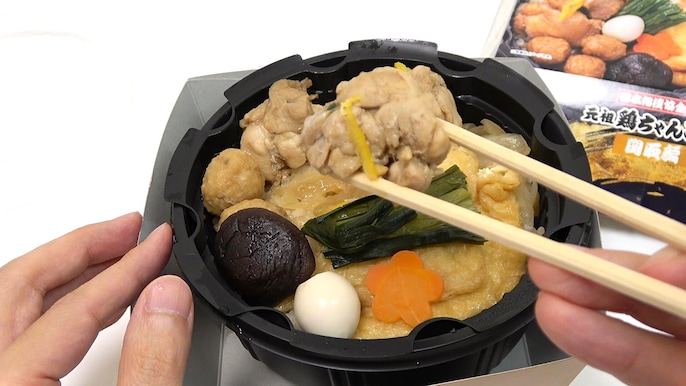
Hot surprise
This lunchbox has a trick hidden underneath dinner. Pull a string and a built-in mechanism begins heating the food, turning an ordinary railway bento into a steaming meal at your seat. Japan’s self-heating ekiben prove even train food packaging can become part of the experience.
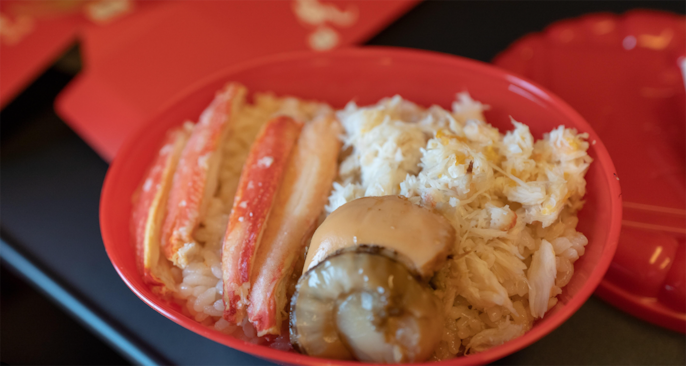
Crab carriage
A speeding train may be the last place you expect to crack into Japan’s celebrated seafood culture. Yet crab ekiben bring snow crab or horsehair crab straight to the passenger seat, layered over rice with seasonal sides and flavours drawn from Japan’s cold coastal waters.
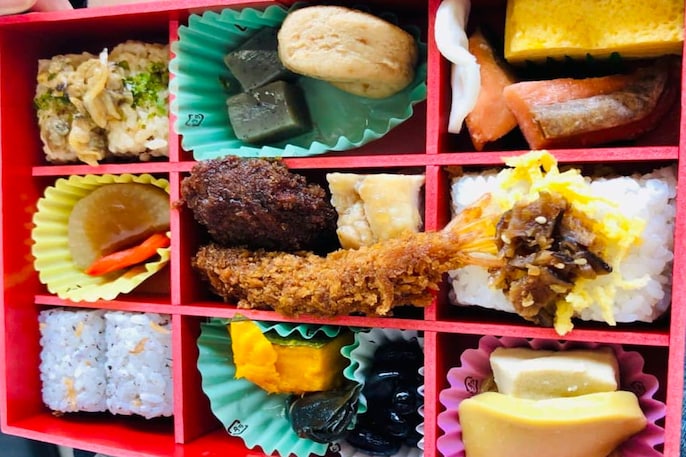
Chicken comfort
Crisp outside, juicy within and marinated with soy, ginger, garlic and sake, karaage seems almost designed for railway travel. Paired with rice, Japanese omelette, pickles and seasonal sides, it remains a dependable ekiben when more adventurous choices feel like a gamble.
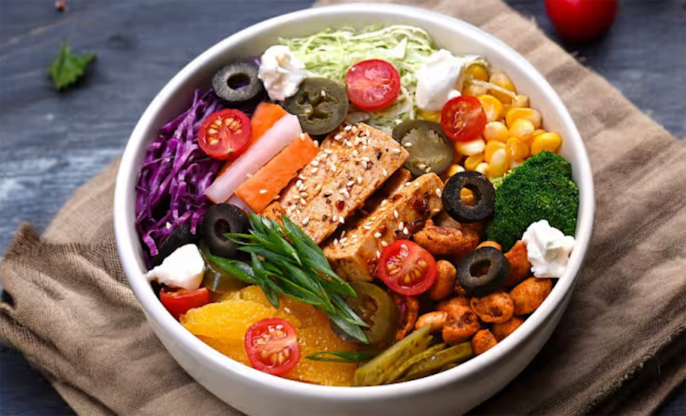
Ocean boxes
Salmon roe glistening over rice, scallops from nearby waters, shrimp and even creamy sea urchin can appear inside Japan’s seafood ekiben. Because ingredients shift by region and season, passengers taking another Shinkansen route may discover an entirely different meal waiting at the station.
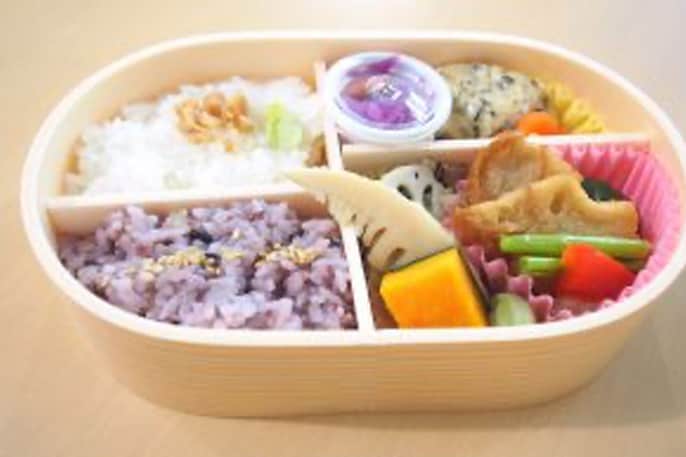
Vegetable comeback
Japan’s railway lunchboxes have long leaned heavily towards meat and seafood, but that picture is changing. JNTO highlights vegetable bentos featuring seasonal produce over rice, while major stations such as Tokyo increasingly give vegetarian travellers more choices before boarding.
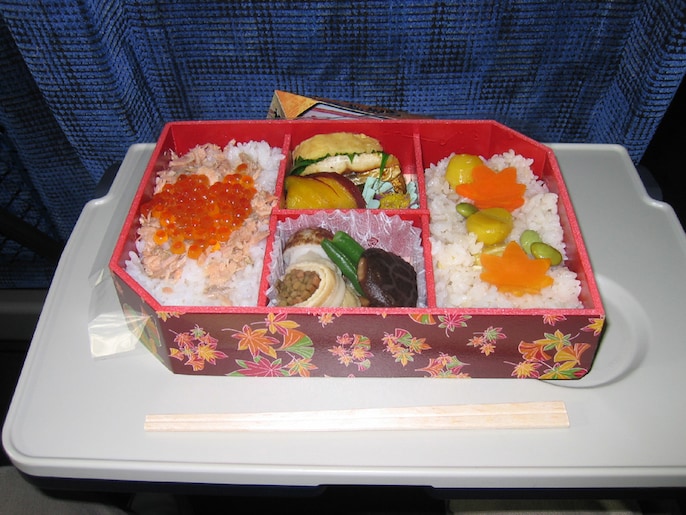
Station feast
The biggest surprise may be that ekiben are more than convenient train lunches. JNTO describes them as regional boxed meals showcasing local ingredients and traditions, while JR East calls ekiben a distinctive food culture—meaning a Shinkansen ticket can quietly double as a culinary tour.
 India Market Outlook: Why FII Flows Could Turn Positive And Boost Indian Equities
 France School Protests Turn Violent: 6,100 Arrested As Trump Blames Migration & Islam
 Maharashtra Unveils Invest Maharashtra With ₹8.57 Lakh Crore Investment Pipeline
 Top Nifty Stocks Down 27–50%: Is This A Medium-Term Buying Opportunity?
 Market Outlook: Is The Worst Behind Us? 3 Factors That Could Turn India’s Headwinds Into Tailwinds