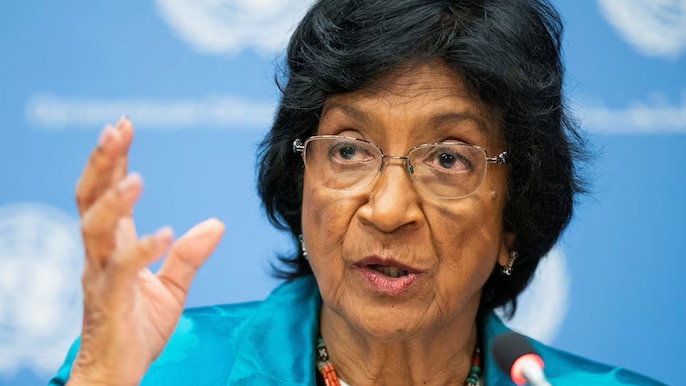
2026: Navi Pillay honoured for peace and international law
Indian-origin South African jurist Navanethem “Navi” Pillay won the 2026 Nobel Peace Prize for promoting peace and international law. The former UN human rights chief’s career spans the anti-apartheid struggle and international justice. She led the UN human rights office from 2008 to 2014.
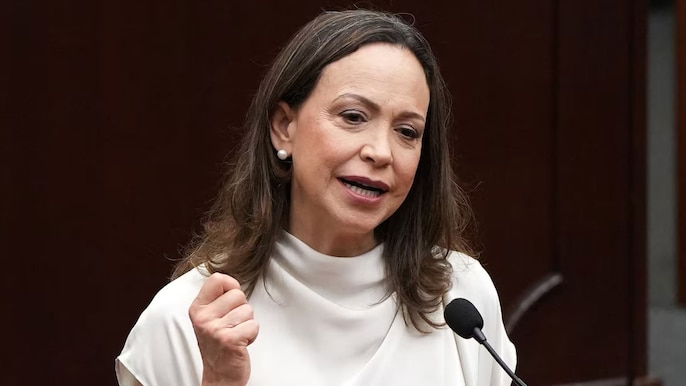
2025: María Corina Machado’s campaign for democracy
Venezuelan opposition leader María Corina Machado received the prize for defending democratic rights and pursuing a peaceful transition from dictatorship to democracy. After being barred from contesting the 2024 presidential election, she backed alternative opposition candidate Edmundo González Urrutia.
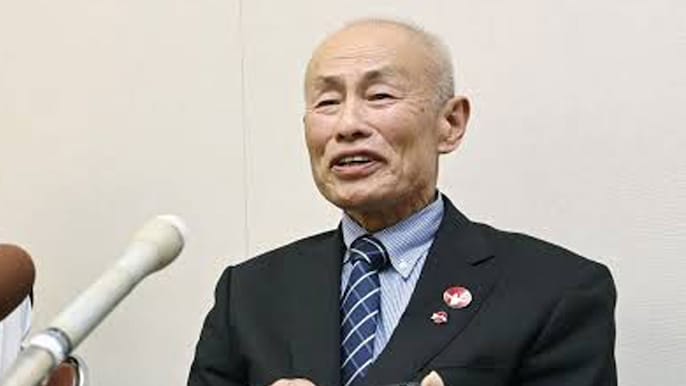
2024: Atomic-bomb survivors became witnesses against nuclear weapons
Japan’s Nihon Hidankyo received the prize for its campaign for a world without nuclear weapons. Founded in 1956, the organisation represents atomic-bomb survivors, known as hibakusha. Their personal testimonies explain the human consequences of Hiroshima and Nagasaki.
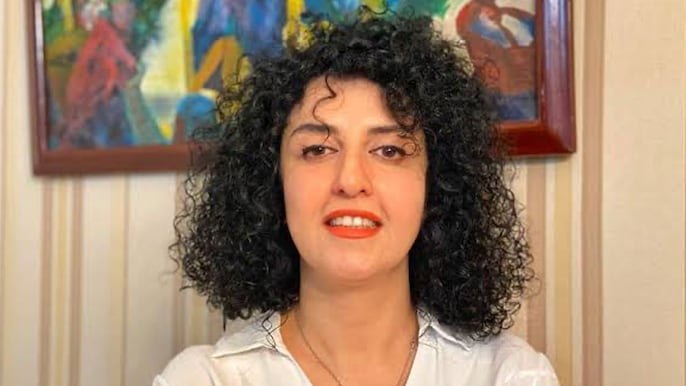
2023: Narges Mohammadi was honoured while imprisoned
Iranian activist Narges Mohammadi won for opposing the oppression of women and defending human rights and freedom. When the award was announced in October 2023, she was imprisoned in Tehran’s Evin prison. Her campaigning also challenged the death penalty and torture.
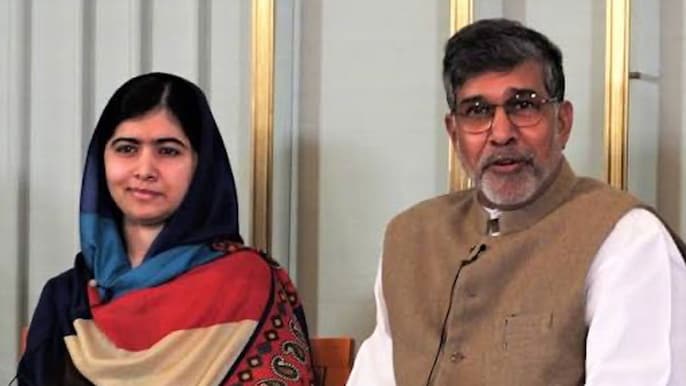
2014: Kailash Satyarthi and Malala put children’s rights centre stage
India’s Kailash Satyarthi and Pakistan’s Malala Yousafzai shared the prize for defending children against exploitation and supporting their right to education. Satyarthi campaigned against child labour, while Malala advocated girls’ schooling. At 17, Malala became the youngest Nobel laureate.

2006: Small loans brought Yunus and Grameen Bank recognition
Bangladesh’s Muhammad Yunus and Grameen Bank shared the prize for advancing economic and social development from the grassroots. Their work centred on microcredit: small loans intended to help people excluded from conventional banking establish income-generating activities.
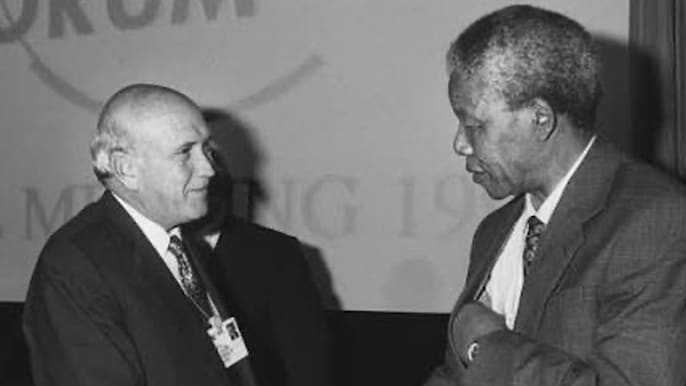
1993: Mandela and de Klerk shared an award for ending apartheid
Nelson Mandela and F.W. de Klerk jointly received the prize for helping bring apartheid to a peaceful end and laying the foundations for a democratic South Africa. Their negotiations prepared the way for a new constitution and equal voting rights.
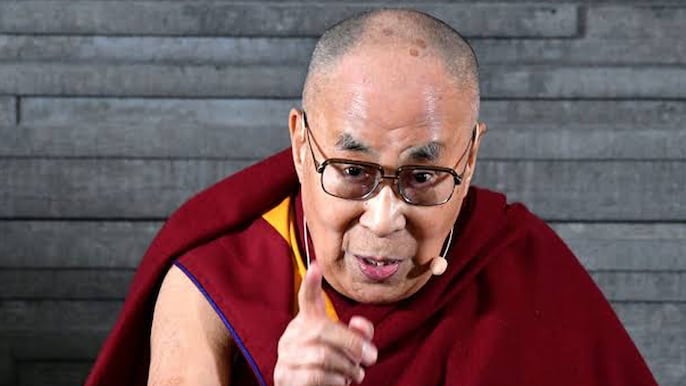
1989: The Dalai Lama’s emphasis on peaceful solutions
The 14th Dalai Lama received the prize for advocating peaceful solutions grounded in tolerance and mutual respect. His proposals for Tibet included restoring peace and human rights and creating a demilitarised, ecologically protected zone.
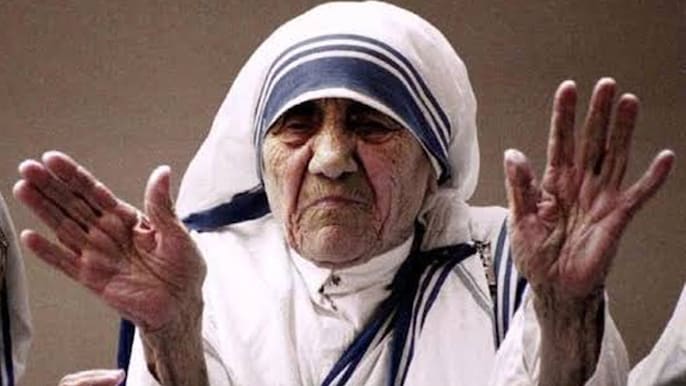
1979: Mother Teresa’s work brought Kolkata into Nobel history
Mother Teresa received the prize for helping suffering people. Through the Missionaries of Charity, she and her colleagues established homes for orphans, centres for people with leprosy and hospices for the terminally ill in Calcutta, now Kolkata.
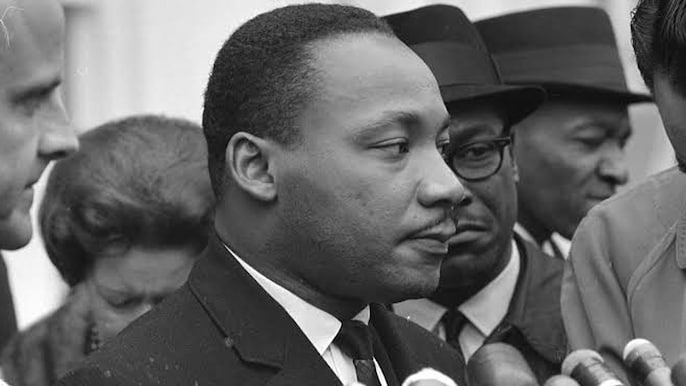
1964: Martin Luther King Jr.’s nonviolent civil-rights campaign
American civil-rights leader Martin Luther King Jr. won for his nonviolent struggle against racial discrimination. Influenced by Mahatma Gandhi’s philosophy, King used peaceful mobilisation to challenge segregation and demand equal rights for Black Americans.
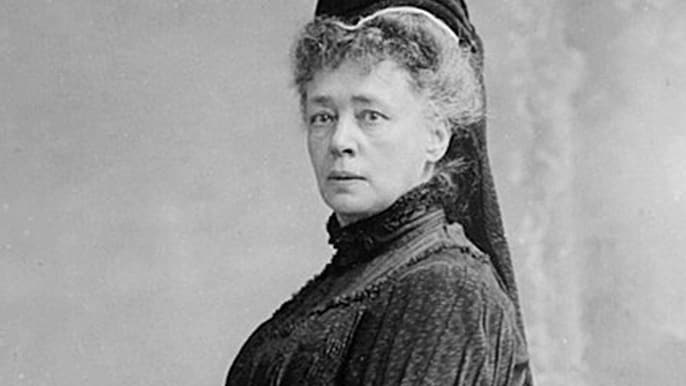
1905: Bertha von Suttner became the first woman winner
Austrian peace campaigner Bertha von Suttner became the first woman to receive the Nobel Peace Prize. Her 1889 anti-war novel Lay Down Your Arms helped spread her message. She also corresponded with Alfred Nobel about peace for years.
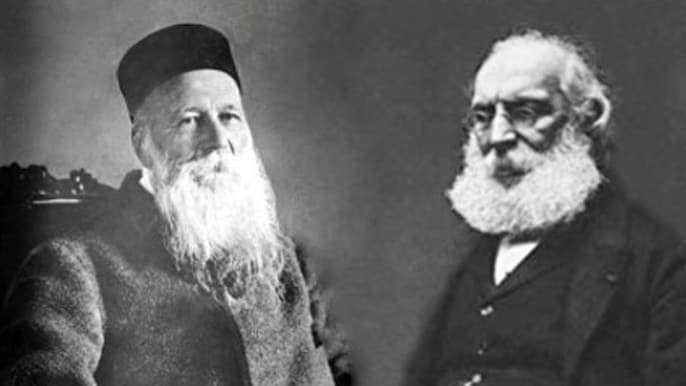
1901: The first award recognised two different routes to peace
Henry Dunant and Frédéric Passy shared the first Nobel Peace Prize. Dunant helped establish the International Committee of the Red Cross after witnessing wounded soldiers at Solferino. Passy promoted peace through international cooperation, diplomacy and arbitration.
 Apple May Unveil Touchscreen MacBook, OLED iPad Mini In October: What To Expect
 ₹1 Crore For The Winner! Hustle 5 Squad Bosses Speak Before Finale
 Trump's Green Card Crackdown Hits TCS, Infosys, Wipro & Microsoft | Stock Markets Unfazed
 Gold Investment Guide: How Much Should Young Investors Allocate to Gold ETFs and Mutual Funds?
 Starlink Debate Heats Up: Scindia To Business Today On Pricing, Security And Competition