


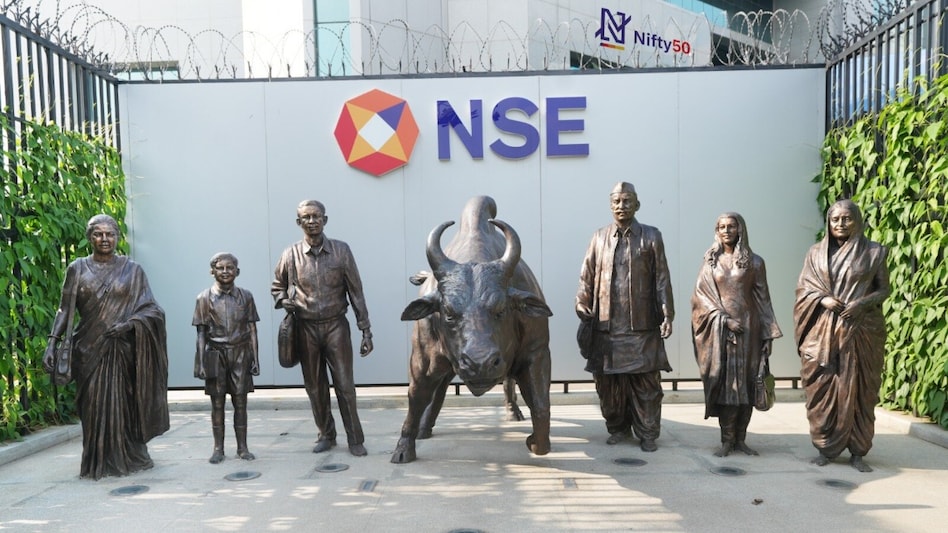
 The issue also potentially could give a lift to the broader primary market, which had seen tepid activity in the last couple of months amid the West Asia conflict
India's largest stock exchange NSE took a big step towards going public by filing its draft red herring prospectus on June 17. The initial public offering is expected to be one of the largest in India's primary market this year and analysts expect investor interest to be strong.
The issue also potentially could give a lift to the broader primary market, which had seen tepid activity in the last couple of months amid the West Asia conflict that has fuelled a lot of global uncertainty, experts say.

 5 bank stocks to buy, target prices | FCNR(B) windfall, unevenly shared
  GST Council may take stock of one-year rate rationalisation; broad-based cuts unlikely in October meeting
 Samsung lays off nearly 100 executives in India as appliance businesses face mounting pressure
 'War in AI, victory in imagination': Pakistan's AI video on Operation Sindoor gets mocked
 Are FCNR-B deposits really an expensive source of funding?
 Nifty ETF Strategy: Why Expert Prefers Index ETFs Over Midcaps, Smallcaps & Bank Stocks
 After Battery Packs, Ashok Leyland Evaluates Cell Localisation
 Chief Of Defence Staff On Modern Warfare: How AI, Drones, Grey Zone Conflict Are Changing War
 Rajnath Singh’s ‘Panipat Syndrome’ Jibe: India’s Shift To Indigenous Defence & Proactive Strategy
 Europe Moves Gold Out Of North America: Is Trust In The U.S. Changing?
 Multibagger ESDS Software shares zoom 201% from IPO price; check target price
 Titan, Lenskart, DMart, Trent, Meesho, Nykaa, FirstCry: Price targets, risks for consumption stocks
  Syrma SGS, Dixon, Kaynes, Avalon, Amber shares: Target prices, EMS stocks to buy
  ONGC, Oil India, Chennai Petroleum, MRPL shares climb as Brent nears $100
 Jupiter Wagons wins Rs 98 crore order from GATX India; stock flatNifty ETF Strategy: Why Expert Prefers Index ETFs Over Midcaps, Smallcaps & Bank Stocks
 PM Modi calls critics ‘Naraz Fufa’, says India’s work culture has transformed in 12 yearsAfter Battery Packs, Ashok Leyland Evaluates Cell LocalisationMultibagger ESDS Software shares zoom 201% from IPO price; check target price
 'Clear winners are NRIs and FPIs': ISB professor flags risks from RBI's $136 billion dollar strategy












