


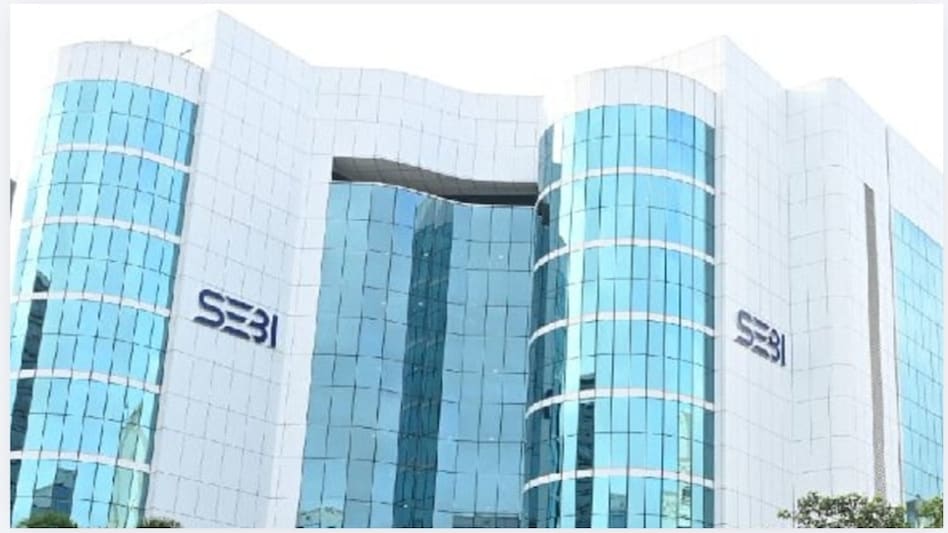
 As per SEBI, a firm can repurchase its shares at any price ceiling within the 1% range over the last traded price.
Market regulator Sebi has approved norms to re-introduce open market buybacks through stock exchanges. In a buyback announced via an open market mechanism, a company repurchases its shares in the open market or through the stock exchanges. This decreases the number of circulating shares and generally boosts the value of the remaining shares.
The company acts like a regular buyer on the stock exchange, buying shares gradually in smaller batches over a set period (often spanning over several months).

 BRICS New Delhi Declaration calls for dialogue and multilateralism: All that it says
 HDFC Bank submits two names for MD & CEO post as Sashidhar Jagdishan’s term ends
 ‘Everything will work out just fine’: Trump says Iran war will end very soon, oil prices will drop
 ‘Mojtaba is alive, doing his job’: Iranian President Pezeshkian says US is spreading propaganda
  'BRICS remains a useful hedging instrument': Expert explains what G2, G3 would mean for India
 PM Modi Proposes BRICS Reform Roadmap, Calls For Global Governance Reset
 PM Modi Proposes 10-Point BRICS Reform Roadmap For Global Governance
 PM Modi, Xi Jinping, Vladimir Putin & BRICS Leaders Explore Bharat Innovates Exhibition In Delhi
 PM Modi, Xi Jinping & Putin Together At BRICS Summit In Delhi
 PM Modi Launches Two Postage Stamps Marking 20 Years Of BRICS At 2026 Summit
 Large caps stocks under pressure as rising US bond yields, crude prices weigh on foreign flows
  SEBI proposes bringing unexecuted Iceberg orders into closing auction
 SEBI proposes new expiry-day settlement formula for derivatives after CAS concerns
 Silver may climb to Rs 3.25 lakh, but January peak looks distant: Navneet Damani
 NSE IPO: Should you subscribe? Check price band, key details, fresh GMP, valuations & brokerage viewPM Modi Proposes BRICS Reform Roadmap, Calls For Global Governance ResetPM Modi Proposes 10-Point BRICS Reform Roadmap For Global GovernancePM Modi, Xi Jinping, Vladimir Putin & BRICS Leaders Explore Bharat Innovates Exhibition In Delhi'BRICS remains a useful hedging instrument': Expert explains what G2, G3 would mean for India
 BRICS New Delhi Declaration 2026 Adopted Unanimously At Summit












