


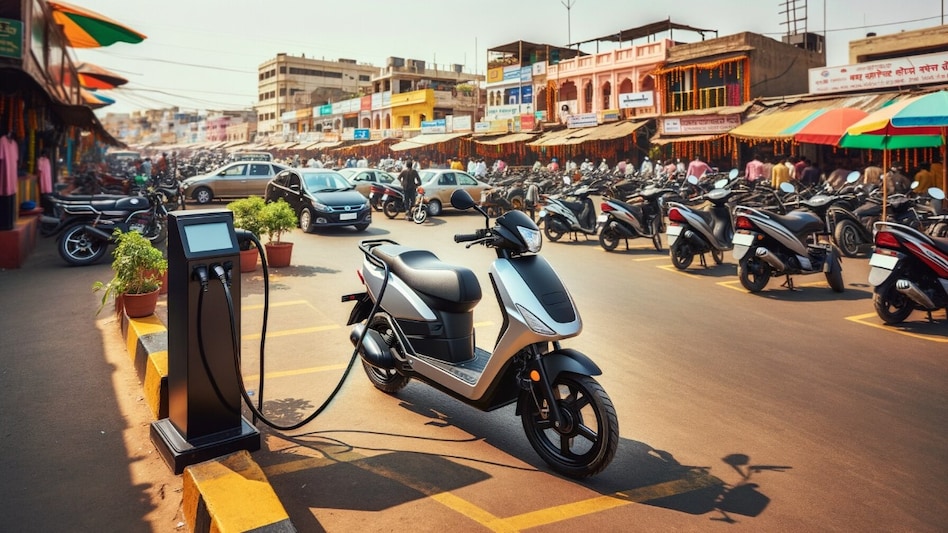
 Hero MotoCorp soared 51 per cent in the past one year. Bajaj Auto gained 21 per cent during the same period. Ather Energy more than doubled, rising 135.44 per cent.
FY26 represented a challenging year for Ola Electric Mobility Ltd, as India’s electric vehicle ecosystem continued to evolve, supported by improving battery economics, deeper OEM participation, and expanding charging infrastructure, Antique Stock Broking said in a note.
The domestic brokerage noted that TVS Motor Company led the market share at 28 per cent, followed by Bajaj Auto (23 per cent), Ather Energy (18 per cent) and Hero Motocorp (11 per cent). "Collectively, these four OEMs accounted for 80 per cent of the market, indicating a clear transition from startup-led disruption to OEM-led consolidation. This consolidation reflects a structural consumer shift toward brands offering stronger service networks, financing access, and reliability assurance—a key factor in mass adoption," Antique said.

 Bitter Friday for Nestlé: Russia seizes assets as Moscow targets Western firms over Ukraine support
 From selling gold to spending ₹3.5 lakh: iPhone 18 Pro fever hits India as fans queue up on sale day
 Jefferies' Christopher Wood sees gold at $10,000 'sooner or later'; likes India's small, midcaps
 NSE IPO fully subscribed on Day 2; QIB, NII quotas booked 1.3 times each
 Warren Buffett steps down as Chairman after 60 years: What changes at Berkshire Hathaway now
 “Unacceptable And Unprofessional”: MEA Rejects Pakistan’s Claims Over INS Kolkata Collision
  Commodity Trading For Beginners: How MCX & NCDEX Work | Trading Basics | Money Today
 US Fed Rate Hikes A Headwind For Foreign Flows? | Jibi Jacob | Jefferies
 ₹25 Billion FII Outflow: What Could Bring Foreign Investors Back? | Jefferies' Jibi Jacob
 India’s Private CapEx Picks Up: Christopher Wood On The Market Outlook
 Jindal Supreme, SS Retail, Hero Motors IPOs subscribed up to 181 times on final day; details here
 Sensex, Nifty post sixth weekly loss; TCS, Titan among top laggards, slip up to 4%
 How AI collapse could benefit Indian equity market; Jefferies' Christopher Wood explains
  Banks are no more secular growth story, prefer NBFCs: Chris WoodJefferies' Christopher Wood sees gold at $10,000 'sooner or later'; likes India's small, midcaps
 What Will Define the Next Generation of Finance Leaders?
  Tata Electronics, L&T Semiconductor team up to expand India’s semiconductor manufacturingBitter Friday for Nestlé: Russia seizes assets as Moscow targets Western firms over Ukraine support
 Delhi Airport introduces dedicated gates for hand-baggage-only travellers: Check gate numbers
 Highway builders seek extension of West Asia-related relief measures till December 31












