










 JM Financial said APTEL noted that although parallel licencing creates structural inefficiencies, it is legal.
 JM Financial said APTEL noted that although parallel licencing creates structural inefficiencies, it is legal.
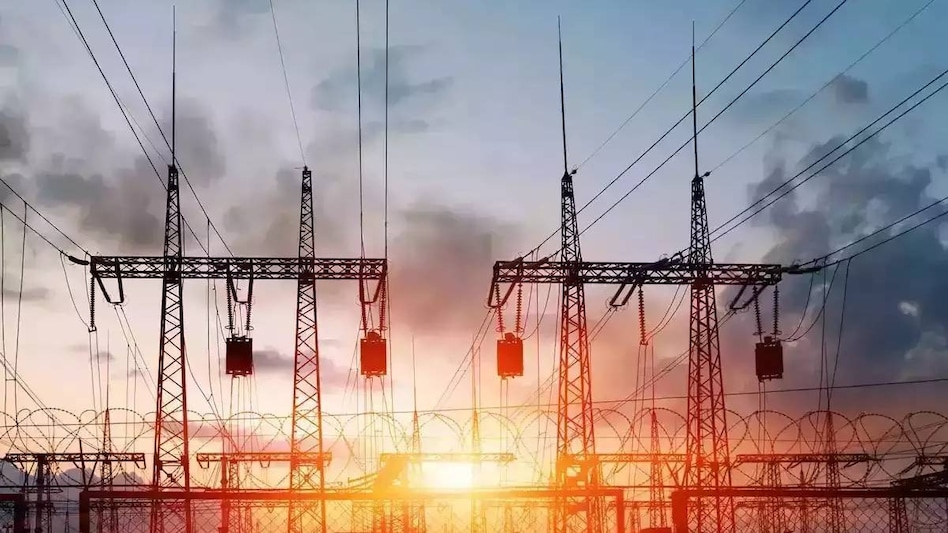
The Appellate Tribunal for Electricity Ltd (APTEL) has recently dismissed BEST’s appeal challenging the regulator’s permission to Tata Power Company Ltd for a phased parallel rollout of its distribution network in Mumbai. JM Financial said the ruling confirms parallel distribution networks are legally valid, forming an important part of the policy reasoning behind the Electricity Amendment Bill’s proposal for carrier-content separation and network sharing in the power distribution sector.
It said the likely passage of the bill during Parliament’s monsoon session, July–August 2026, will open up huge opportunities for Tata Power, Adani Energy Solutions, CESC and Torrent Power, among others.
To recall, multiple companies applied for parallel licences for various areas across Maharashtra in FY23 and FY25. These include Tata Power (circles in Pune, Thane, Vashi Nashik, Aurangabad), Torrent Power (circles in Nagpur, Thane, Palghar, Pune) and Adani Electricity (Thane, Vashi). After almost two years of the initial filing, the Commission accepted and admitted the initial applicants in June 2025 that qualified for grant of parallel licences.
Brihanmumbai Electric Supply & Transport Undertaking (BEST) had challenged the decision by Maharashtra Electricity Regulatory Commission (MERC) in APTEL to grant Tata Power a 25-year distribution licence, i.e. allowing it to supply electricity in parts of Mumbai wherein it already operates as the distribution licencee.
BEST challenged MERC’s decision, arguing that this would allow Tata Power to selectively target high-paying consumers, creating an uneven playing field, among others. APTEL, JM Financial noted, said although parallel licencing creates structural inefficiencies such as allocation of legacy power purchase costs, risk of potentially stranded distribution assets and operational hurdles, they are legal.
JM Financial cited the Ministry of Power's Draft Electricity Amendment Bill 2025 for public consultation in October 2025, where it attempted to address this inefficiency through the concept of “carrier-content separation.”
Under this framework, the distribution network (the carrier) would be separated from the supply business (the content). A single distribution network operator would own and maintain the wires infrastructure while multiple electricity suppliers could use that network to sell electricity to consumers, it noted.
"The competition would shift from infrastructure ownership to service quality, pricing and power procurement strategies," JM said.
JM said the bill is likely to be tabled during the monsoon session and if passed, would be positive for Tata Power, Adani Energy Solutions, CESC and Torrent Power.
 Big change in gold import rules: After 15% duty hike, govt caps duty-free imports at 100 kg
 Anthropic AI Safety Fellowship 2026: How to apply, $15,000 funding, duration & hiring chances
 Bengaluru startup Zulu Defence bags order from Europe for AI combat drone. What is DRAP?
 Major crackdown on NBFCs: RBI cancels registration of 150 firms; check full list
 Passenger vehicles record highest-ever sales of 4.37 lakh units in April
 "Ancient Civilizations, Modern States": Israel Ambassador Reuven Azar On 6 Pillars Of India-Israel
 "Worse Than the 70s": Singapore PM Warns Of Global Stagflation & Long Hormuz Crisis Recovery
 CM Yogi Unveils UP's Agri Success: 18% Growth, 92% Cane Payment, And Integrated Sugar Complexes!
 Hormuz Update: LPG Carriers Reach India Safely; ‘Haji Ali’ Vessel Sinks After Attack In Omani Waters
 "Avoid Gold Imports": NITI Aayog VC Dr. Ashok Lahiri’s First Interview On PM Modi’s ‘Bachat’ Push
 IDBI Bank, Union Bank shares: Analyst maps strategy, key levels investors should watch
 Why HDFC Securities’ institutional equities head has a bias towards large caps amid current volatility
 Tata Motors (TMCV) shares: Target price trimmed but still a 'Buy' - Iveco, Tata Capital factors at play
 HAL shares rise 4% intra day on Q4 earnings; net profit crosses Rs 4,000 crore
  Tata Motors PV Q4 profit falls 32%, revenue rises; announces 150% dividend — check payout