

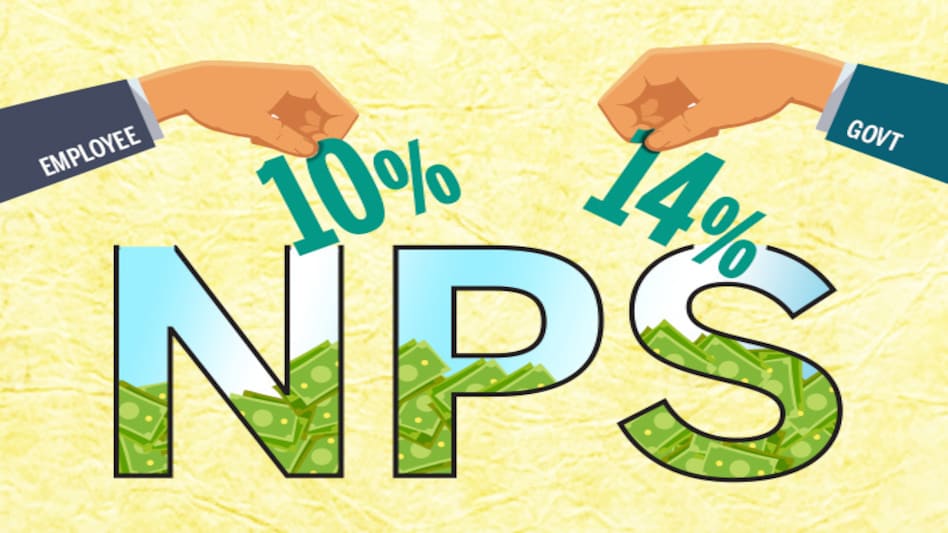
 In NPS, the corporate side contributed Rs 52,000 crore to the AUM, while voluntary subscription directly from individuals stood at Rs 17,000 crore
Individual subscribers to National Pension System (NPS) have risen 33.5 per cent in a year till October 10, including self-employed and salaried individuals with corporates. However, even as an increasing number of corporates are giving the option to subscribe to NPS to their employees, the transition rate is meagre.
"We have almost all private players on board. For example, all big IT firms from Infosys, TCS to Wipro are with us. So, onboarding is not an issue. The real challenge lies in getting the employees to join us. This figure is quite less - just 1-2 per cent of total workforce. Now we are working with banks so that when they open salary accounts for the new joinees, they also give them a choice to open an NPS account," says PFRDA Chairman Supratim Bandyopadhyay.
 Global tax rules being rewritten, BRICS must have greater say: Finance Minister Nirmala Sitharaman
 No petrol, diesel price hike proposal yet; govt may support OMCs if crude stays high
 Why can’t India just stop buying Russian crude oil? FM Nirmala Sitharaman explains
 Whirlpool of India shares jump 20% today; here's what analysts say
 BT Big Story: Why India Inc is warming up to non-English-speaking executives
  A-One Steels IPO Explained: Key Details, Growth Strategy & Future Outlook | Management Live
 Market Commentary: Nifty Outlook, Stocks & Market Strategy | Deven Choksey
 Ignore Large Caps? Why Investors Are Chasing High P/E Mid Cap Stocks Now
 30 IPOs In A Month: Deven Choksey On IPO Flipping And Secondary Market Liquidity
 iPhone 18 Pro Sale Rush! What Indian Buyers Really Think | Tech & You
 Crude oil prices fall for sixth session; PL Capital explains what could happen next
 Mazagon Dock, GRSE shares: Does short-term bounce signal trend reversal? Analyst decodes
 35% up from 52-week low! Motilal Oswal sees more steam left in this renewable energy player
 KPIT Technologies stock may see more pain amid IT sector weakness
  What should new stock investors buy? Abhishek Basumallick picks his betsCrude oil prices fall for sixth session; PL Capital explains what could happen next
 Lava's answer to global memory crisis: More ‘identity’ and personality over extrasA-One Steels IPO Explained: Key Details, Growth Strategy & Future Outlook | Management LiveMarket Commentary: Nifty Outlook, Stocks & Market Strategy | Deven ChokseyIgnore Large Caps? Why Investors Are Chasing High P/E Mid Cap Stocks Now












