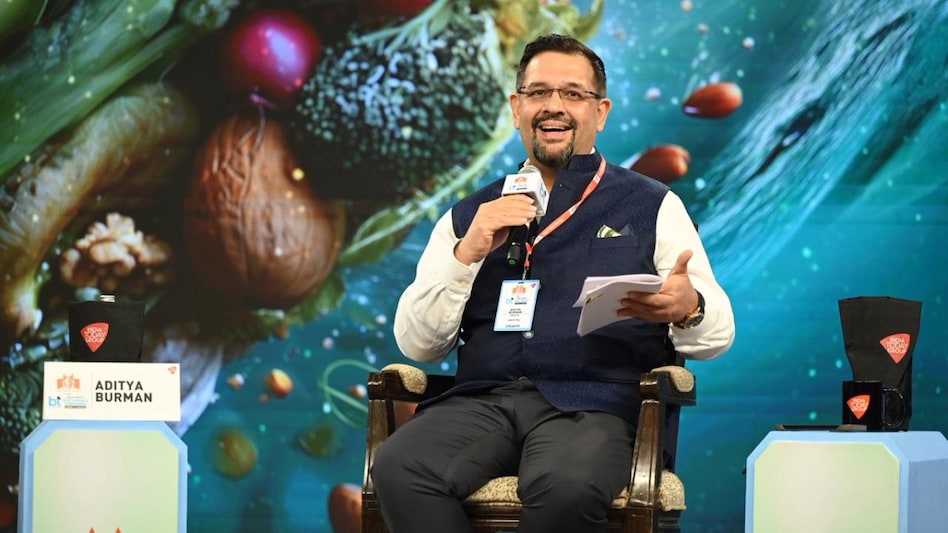
 On shifting consumer behaviour, Burman said the divide between urban and rural India is narrowing rapidly.
 "It is more difficult, actually, as an affluent consumer to consume responsibly," said Aditya Burman, Director, Dabur India, at the BT India's Most Sustainable Companies Summit & Awards 2026. Flipping the conventional narrative, he pointed out that rural consumers have always practised responsible buying, carrying their own bags and containers to the store, long before sustainability became a buzzword.
He further added that Dabur, a 140-year-old brand was founded at a time when product quality was inconsistent and consumers had little clarity on what they were buying. Dabur's founding promise was simple: tell people exactly what is inside. That ethos, Burman said, holds even today.
FAQs
Why did Aditya Burman say affluent consumers find it harder to consume responsibly?
Aditya Burman said affluent consumers often have more choices and convenience-led habits, which can make responsible consumption harder. He contrasted this with rural consumers in India, who have long practised sustainable habits such as carrying their own bags and containers.
What is Dabur’s founding promise and how does it connect with sustainability today?
Dabur was founded around a simple promise: tell consumers exactly what is inside the product. According to Burman, this focus on transparency still guides the company today and supports its wider sustainability approach across quality, sourcing and consumer trust.
What sustainability initiatives has Dabur implemented in plastic and water conservation?
Burman said Dabur now removes more plastic from the environment than it introduces, making it one of the first FMCG companies in India to do so. He also highlighted Dabur’s long-standing rainwater harvesting efforts and its investments in water structures and ponds with communities across the country.
How does Dabur ensure authentic and sustainable sourcing for its products?
Dabur believes sustainability begins at sourcing, with traceability from farm to shelf, seed to shelf and hive to shelf. The company tracks honey sourcing, works with more than 14,000 farming families across 16,000 acres, and partners with tribal honey collectors in the Sundarbans to improve quality as well as livelihoods.
How is changing consumer behaviour influencing Dabur’s product strategy?
Burman noted that younger consumers are more aware and ask sharper questions about ingredients, sourcing and impact. He added that FMCG is increasingly merging with healthcare, and cited Dabur’s Real Juice range, including seasonal fruit variants, as a response to rising demand for healthier and more ingredient-conscious choices.
















