


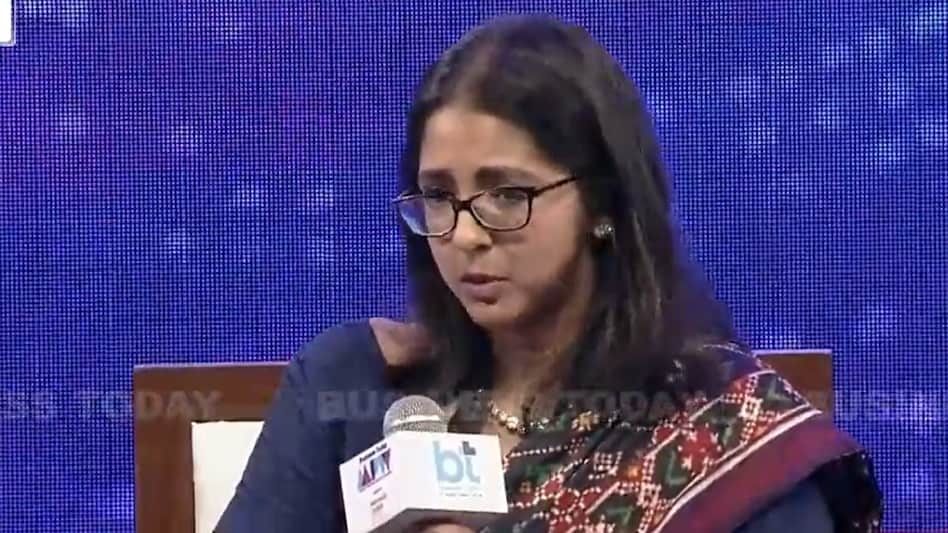
 Piramal stressed the need to focus on quality, acknowledging the financial investment required.
Against the backdrop of Food and Drug Administration (FDA) warnings and concerns regarding the quality of Indian drugs, Nandini Piramal, Chairperson of Piramal Pharma Ltd, emphasised the critical need for upholding ethics and maintaining high-quality standards in the pharmaceutical sector. She made these remarks at Business Today’s 20th edition of 'The Most Powerful Women in Business' event, which was moderated by Siddharth Zarabi, Managing Editor of Business Today TV.
Addressing disparities in quality standards, Piramal highlighted the challenges faced by Indian regulators during the session titled "A Path of Leadership and Innovative Brilliance." She pointed out that not all Indian companies adhere to the same quality standards as their global counterparts, posing a significant hurdle despite substantial business opportunities.

 Google wants to build AI data centres in space: What Project Suncatcher's satellite test means
 Cabinet set to clear revamped Bilateral Investment Treaty as India woos foreign capital
 ‘We’re not going to let you...’: JD Vance issues fresh H-1B warning to US companies
 Tata Sons boardroom tussle: The 4 clauses in AoA that could decide who runs the conglomerate
 Five-day banking week never up for negotiation, say govt sources
 UPI MDR Clarity: No Fuel Exemption, Govt To Ensure Consumers Don't Bear Extra Cost
 Minister Piyush Goyal On India’s Trade Deals FTA Strategy And $1 Trillion Export Target
 SIR Controversy: How 97 Eligible Voters Were Left Off Goa's Final Electoral Roll
 Could The Mahanadi Basin Become India's Next Big Gas Reserve?
 Bakaiti 2, Hunkkaar, Shaque & More: OTT Movies & Shows To Watch This Weekend
 Hero Motors, SS Retail, Jindal Supreme shares surge up to 105% in 3 days over IPO prices
 Indegene shares rise 5% as Motilal Oswal upgrades stock; check target price
 Ola Electric shares plunge 9%; board approval for proposed rights issue in focus
 Adani Power target: Strong earnings despite elevated capex! PL Capital says valuation to sustain
 Vascon Engineers shares zoom 14% on order win from Qualcomm India
  Tata Sons battle: Abhishek Manu Singhvi vs Harish Salve. Who said what Hero Motors, SS Retail, Jindal Supreme shares surge up to 105% in 3 days over IPO pricesIndegene shares rise 5% as Motilal Oswal upgrades stock; check target priceUPI MDR Clarity: No Fuel Exemption, Govt To Ensure Consumers Don't Bear Extra CostMinister Piyush Goyal On India’s Trade Deals FTA Strategy And $1 Trillion Export Target












