


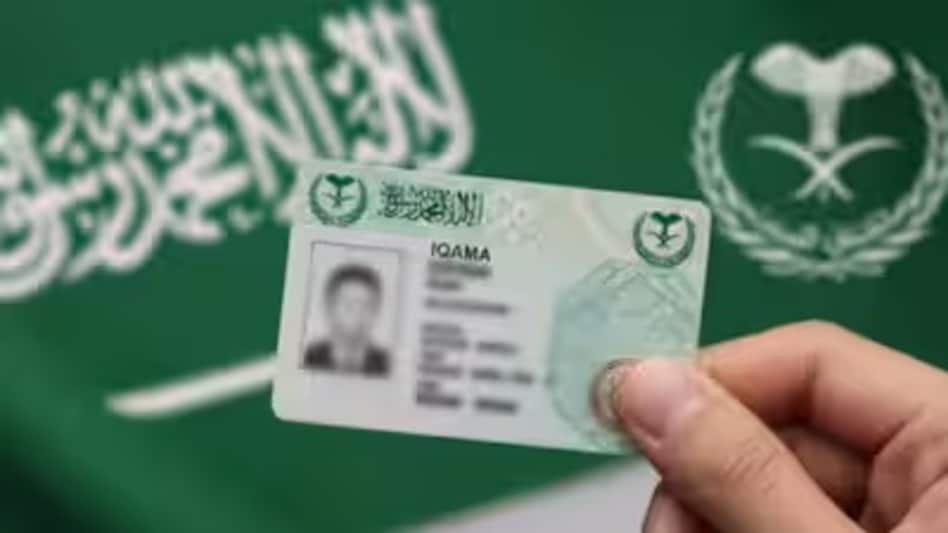
 3-month residency renewal option for domestic worker introduced in saudi arabia
 Saudi Arabia has fundamentally changed how households manage employment logistics, stripping away rigid, multi-year payment burdens overnight.
In a coordinated digital rollout, the kingdom transitioned from enforcing mandatory one- or two-year residency renewals to giving employers the power to renew permits for just three months at a time.

 CJP protest: Supreme Court to hold special Sunday hearing on contempt plea against Home Secretary, DMRC
 West Asia tensions: Riyadh airport hit again in fresh assault, multiple injured; flights diverted
 Delhi protest: Police release all detained except CJP leaders; key faces detained & released
 Mahindra & Mahindra announces sale of 51% stake in Novavayu Aerospace to Embraer
 Delhi CJP protest: '₹1.5 lakh loss per shop in a day', says Khan Market traders body
 REIT Returns Explained: Income, Capital Gains & Risks Investors Need To Know
 REIT Risks Explained: Key Factors Investors Must Check Before Investing In Commercial Real Estate
 Will IRDAI’s Broker Commission Crackdown Make Insurance Cheaper For Consumers?
 5 Reason Why Cheap Premium Insurance May Not Be The Best Choice
 Health & Life Insurance: How Much Cover Do You Really Need? Expert Explains
 Market on the back foot, opportunities ahead: where should investors put their money?
 Poonawalla Fincorp Q2 earnings: Net profit zooms 405%, NII at Rs 1,589 crore
  Vedanta, TCS shares to turn ex-dividend; Ola rights issue; 2 stock splits next week
 IPO rush: Rs 50,000 crore worth IPOs to hit Street by Diwali; Jio, Avada to lead fundraise
 Adani Ports, GMR Airports rise up to 5% amid block deal reports; check details Delhi protest: Police release all detained except CJP leaders; key faces detained & releasedDelhi CJP protest: '₹1.5 lakh loss per shop in a day', says Khan Market traders bodyCJP protest: Supreme Court to hold special Sunday hearing on contempt plea against Home Secretary, DMRC
 Dhruv Rathee's education: From engineering in India to a master’s degree in GermanyWest Asia tensions: Riyadh airport hit again in fresh assault, multiple injured; flights diverted












