


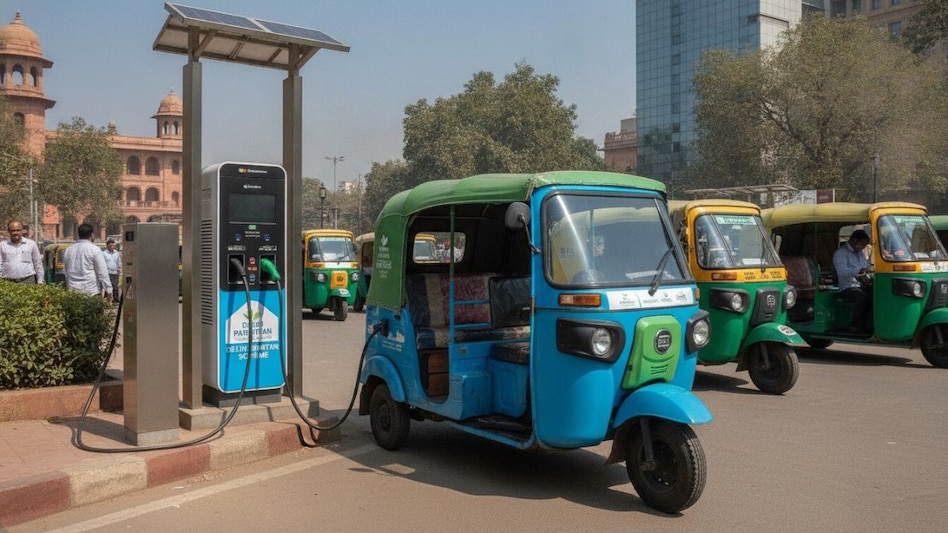
The Delhi government has approved the PARIVARTAN (Programme for Accelerated Renewal and Incentivisation of Vehicle Assets for Reducing Transport Air Pollution and Network Emission) scheme, a major initiative aimed at replacing old, polluting commercial vehicles with cleaner BS-VI and electric vehicles (EVs).
The scheme, approved by the Delhi Cabinet, is expected to benefit over 2.07 lakh commercial vehicle owners in the capital by offering financial incentives to upgrade their fleets. The move comes as Delhi continues to battle poor air quality and seeks to reduce emissions from ageing trucks and buses.

 India’s 25-minute commute: Why short travel times may hide a deeper jobs crisis
 Make in India: Why India’s manufacturing gains look stronger against a turbulent decade
 CJP protest today: After Mamata, Delhi Police detains AAP chief Arvind Kejriwal
 India’s money supply growth hits 17.3%: Why expert warns of inflation risks
 CJP protest: Mamata Banerjee, MPs of her TMC faction detained; AISA President Neha Bora, others also held
 Will IRDAI’s Broker Commission Crackdown Make Insurance Cheaper For Consumers?
 5 Reason Why Cheap Premium Insurance May Not Be The Best Choice
 Health & Life Insurance: How Much Cover Do You Really Need? Expert Explains
 Silver Investment Outlook: Why Gen Z Should Watch This Metal's Long-Term Growth Potential
 Gold Price Outlook: Is This the Right Time to Invest? Expert Sees Potential for New Highs
 Market on the back foot, opportunities ahead: where should investors put their money?
 Poonawalla Fincorp Q2 earnings: Net profit zooms 405%, NII at Rs 1,589 crore
  Vedanta, TCS shares to turn ex-dividend; Ola rights issue; 2 stock splits next week
 IPO rush: Rs 50,000 crore worth IPOs to hit Street by Diwali; Jio, Avada to lead fundraise
 Adani Ports, GMR Airports rise up to 5% amid block deal reports; check details CJP protest today: After Mamata, Delhi Police detains AAP chief Arvind KejriwalIndia’s money supply growth hits 17.3%: Why expert warns of inflation risksCJP protest: Mamata Banerjee, MPs of her TMC faction detained; AISA President Neha Bora, others also held
 No more bulk voter objections: ECI limits Form-7 filings, mandates strict verification
 'Our GenZ deserves better than an undeclared emer-GenZ': Shashi Tharoor slams Delhi restrictions












