









 The FCTC, in its simplest form, is a demand and supply reduction treaty, underpinned by tobacco harm reduction principles.
 The FCTC, in its simplest form, is a demand and supply reduction treaty, underpinned by tobacco harm reduction principles.
This year, the first two weeks of November will witness two COPs -- Conference of Parties -- large policy gatherings aimed at moving the needle on ratified global UN-related conventions. Both have to do with health- individual, population and the planet’s health. Yet, one of them is attracting the leaders of the developed as well as developing worlds in Glasgow, United Kingdom, along with another twenty thousand odd stakeholders. The other one will be held virtually and quietly from their secretariat in Geneva, Switzerland.
The United Nations Framework Convention on Climate Change (UNFCCC) secretariat is tasked with supporting the global response to the threat from climate change. With 197 members, the UNFCCC has a near universal coverage. The 26th Conference of the Parties, “COP26” Glasgow, was kicked off on the 31st of October with great fanfare, high expectations and drama befitting a Hollywood premiere. E.g. Greta Thunberg arrived on a ‘climate train’, a test in patience and endurance --- for Greta, her 150 fellow passengers, the media and the climate activists’ mob at Glasgow Central.
Throughout the course of these two weeks of negotiations, haggling and posturing, the best possible outcome from COP26 could be that all countries commit to keeping global warming limited to 1.5 degrees Celsius. That calls for some serious re-engineering of human behaviour and entire societies. Millions of conventional jobs and livelihoods will be lost, millions more potentially created in the new green economy. Some would argue (and justify): desperate times call for desperate action. Green economy advocates and solution providers, including transforming oil companies and automobile manufacturers are in full attendance at the summit, and are missing no photo-op to burnish their green credentials.
Also Read: MSMEs offer huge market opportunity for cloud adoption: SAP India VP Subramanian Ananthapadmanabhan
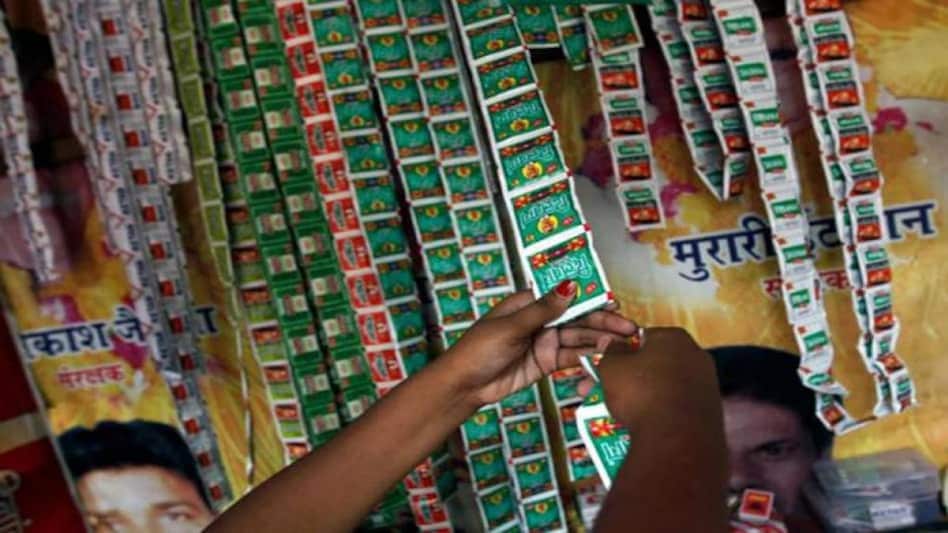
The other COP, of the Framework Convention on Tobacco Control (FCTC), created by the UN’s World Health Organization and run by the FCTC secretariat, follows a completely different tack. It is notionally intended for addressing the harms to the society and indeed the world, due to risky forms of smoked (cigarettes, bidis, cigars) and smokeless (khaini, gutkha, zarda, etc.) tobacco products that over a billion people consume today. The FCTC is ratified by most of the countries in the world (the USA and Indonesia being notable exceptions), and the 9th Conference of Parties from 8-13th of November will see yet another bi-annual get together making decisions that affect 1.3 billion tobacco users, their families, and millions from the tobacco supply chain globally. However, it is held behind closed doors, driven by health activists that simply see the tobacco industry as the problem, and tobacco users as astro-turf for the tobacco industry. Neither are allowed anywhere near the meeting, and nor are the lay media.
The FCTC, in its simplest form, is a demand and supply reduction treaty, underpinned by tobacco harm reduction principles. Broadly, what this could mean in policy as well as practice is (1.) Those who are not currently using risky forms of tobacco products, especially children and young adults, should be disincentivised from initiation. (2.) Those who are currently using risky forms of tobacco, should get the necessary help to quit. This may take the form of providing nicotine replacement therapy, prescription medications and behavioural support. (3.) Those involved in the supply chain, such as farmers, should be given support to switch to alternative crops.
Also Read: Japanese car sales drop in China
16 years on from the ratification of the FCTC, great progress has been made in adopting into national regulations parts of the treaty that relate to demand reduction by prevention of initiation. Advertising campaigns, tax hikes, health warnings, and packaging and sale restrictions, have led to significant reductions in initiation, especially among the youth. On the other hand, support to current users of risky forms of tobacco remains wanting, lacking innovation, and largely under-funded.
The nicotine in these products makes the consumers dependent. The cancers however, are caused by the toxic chemical mix in the smokeless products, and from the smoke itself, but not the nicotine. Pharmaceutically licensed nicotine replacement therapy products, in the form of gums and patches, are on the WHO’s model essential medicines list for tobacco dependence treatment. It is scientifically proven: quitting risky forms of tobacco (“cessation”) is not easy; relapse is very common. The high retail price of the cessation products, poor availability and inadequate training of doctors in prescribing these cessation treatments means that current tobacco users miss out on any meaningful access and support.
It is easy to point to the tobacco industry’s morally and ethically unacceptable behaviour for most of the twentieth century that led to the smoking epidemic globally, and even today, to the manufacturers of Gutkha and Pan Masala in India who are fuelling an oral cancer epidemic. Based on this historical context, the COP organisers exclude this industry from their deliberations. Sadly, that exclusion extends to consumers, effectively the current and future patients suffering from tobacco dependence.
This raises a sticky question: are the global public health community, led by the WHO’s FCTC signatories who meet every two years formally at the COPs, simply giving up on the 1.3 billion current users of cigarettes, bidis, khaini and gutkha-like products, letting them die preventable premature deaths, for the want of adequate cessation products and support? Would public health not benefit from a wider range of innovative nicotine replacement products, manufactured to high standards, regulated appropriately, and specifically available as cessation aids for current adult users of risky tobacco products?
Also Read: Amitabh Bachchan's NFT collection auctioned for $966,000
This COP season, it may be time to draw parallels between two very similar gatherings with diametrically opposite profiles and approaches. Climate change and tobacco-related harms. Both are urgent issues facing humankind. Both are being addressed by global treaties and conventions. For both the problems, a wide range of solutions are coming from old and new industries.
In the case of climate change, the Teslas of the world lead the rally. Conventional fossil fuel giants such as BP (of the Gulf of Mexico spill fame) and Shell are not far behind either, showcasing their renewables’ commitment in every ESG communication. The Volkswagen emissions scandal (from less than 5 years ago) is distant memory, and the automobile industry is at the table, providing cleaner cars by ‘electrifying’ their offerings.
In tobacco, innovation came from a wide range of inventors: e-cigarettes from China, heated tobacco products from Switzerland and UK, nicotine pouches from Sweden, and cessation apps from the USA. Pharmaceutical manufacturers of conventional nicotine replacement products and prescription medications are either withdrawing from the markets or not innovating any more. They have not made any visible effort to make available their products at affordable prices in the developing world- and there was never a huge hue and cry about that from public health.
None of the new innovative products are a silver bullet, but promise to provide cleaner, safer nicotine to the billion plus current consumers of risky forms of tobacco. In countries such as the UK and USA, where regulators are informed by scientific evidence and risk assessment, these products are regulated and allowed. Slowly but surely this will transform the nicotine use profile in these countries, no doubt saving millions of lives and billions of dollars in future health costs from tobacco-related diseases. In Japan, previously known for its high smoking incidence among men, nearly 30% of the cigarette market has been replaced by heated tobacco devices. These devices are increasingly acknowledged for their reduced toxicant exposure vis-à-vis cigarettes. The US FDA has separately authorised the sale of a specific brand of heated device, an e-cigarette and a Swedish snus style smokeless tobacco product for their reduced toxicant exposure and potential to reduce tobacco related harms. In the UK, e-cigarettes are one of the many options of quitting tools supported by national health bodies.
In stark contrast to the climate change COP26, this tobacco related COP9, manufacturers of cleaner nicotine products- the “solution providers” to the problem, and consumers- the victims of the problem, will be glaringly absent. In countries where regulators do not need the WHO’s blessings to make their own policies (the US, UK and increasingly the EU), innovation and better regulation will lead to a reversal of harms from risky 20th century tobacco products. In the developing world, including India, the harms from tobacco will remain unabated in the absence of strong regulatory leadership and industry transformation.
Whether or not we can manage to curb the global temperature rises to a maximum of 1.5C by 2050, today’s direction of tobacco control as symbolised by COP9, will hinder access to safer nicotine alternatives to over 1.3 billion current users, 80 per cent of who live in developing countries, accounting for millions of preventable deaths in the next three decades.
Views are personal. The author is Tobacco cessation expert, United Kingdom
 PM Modi reveals he had a semiconductor plan 20 years ago. Why it never took off
 'Adani case should never have been brought': US Justice Department urges judge to permanently drop charges
 Sterlite Tech, Olectra Greentech, Kaynes Tech shares: Buy, hold or sell? Trading strategy
 Sanand's big chip moment: 'Made in India' semiconductors to be exported to Japan, US, Europe
 HCLTech, Mphasis, Persistent, Tech Mahindra, Zensar Tech: Brokerage revises ratings, share price targets
 Delhi EV Policy Under Scanner: India Today Finds Defunct Charging Stations Across City
 NPS Regular Income Scheme: Regular Income Plus Wealth Creation? Here's How It Works
 Visa Payment Passkeys Launched In India: Will Biometrics Replace OTPs?
 Explained: U.S. Supreme Court Ruling On Trans Athletes And Women’s Sports
 Q1 Results: Arun Kejriwal Reveals The Sectors That Could Lead The Next Market Rally
 Sterlite Tech, Olectra Greentech, Kaynes Tech shares: Buy, hold or sell? Trading strategyHCLTech, Mphasis, Persistent, Tech Mahindra, Zensar Tech: Brokerage revises ratings, share price targets
 Midcap, smallcap stocks offer fresh value as earnings support revival, says Devang Mehta
 TCS, Infosys, Wipro, HCL Tech: Top-5 IT stocks' m-cap slips to RIL as AI disruption bites
 Tata Power, Adani Power: Short-term trading strategy for these power stocks