

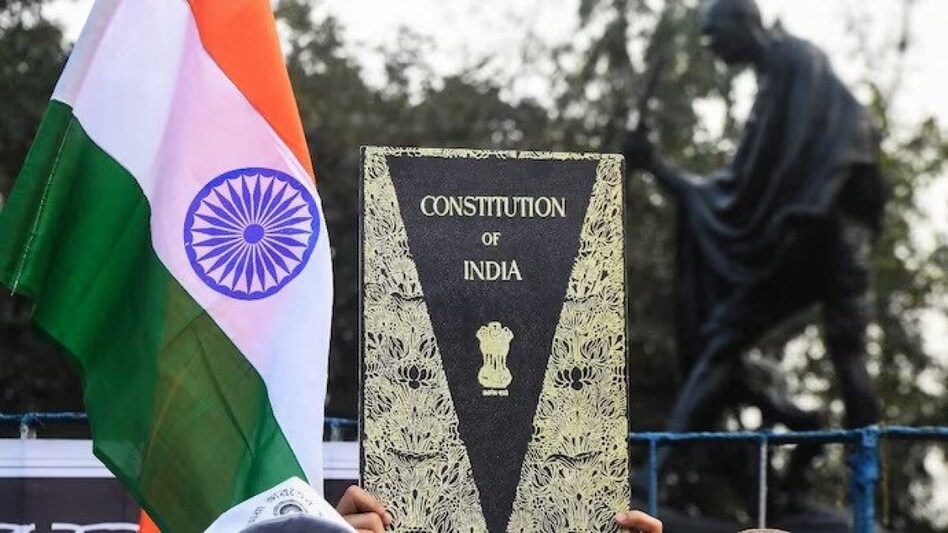
 As authors of the book titled - Time for Bharat - launched in nov 2022, we want to articulate the critical reasons why it is indeed time for our nation to be called Bharat
In the forthcoming special session of Parliament, scheduled from September 18-22, there could be a notable discussion within the government regarding the introduction of a resolution to change the official name of India to Bharat. Currently, the Constitution of India refers to the nation as "India, that is Bharat...," but a mounting chorus is advocating for a streamlined designation, simply "Bharat." As stipulated by Article 368 of the Constitution, the central government requires a simple majority in both Houses of Parliament to successfully pass the resolution for renaming India as Bharat. Subsequently, following the resolution's approval, the government must undertake amendments to the Constitution.
This development coincides with an official invitation extended to the G20 Heads of State and ministers for a dinner event hosted by President Droupadi Murmu, which has adopted the title "President of Bharat." In light of this, there is speculation among opposition circles that this maneuver may be strategically aimed at mitigating potential confusion, particularly concerning the Opposition alliance known as I.N.D.I.A.
 Apple’s growth under CEO Tim Cook: The journey from $350 billion to $5 trillion
 Top 1,000 listed Indian companies see 53% jump in FY25 carbon emissions: IIM-Bangalore study
 How Tim Cook introduced larger iPhone screens and changed Apple’s smartphone strategy
 HDFC Bank's next CEO: Deputy MD Kaizad Bharucha in focus after Jagdishan opts out
 NSE's ₹30,000 crore IPO: SBI, its investment banking arm to offload 1% stake
 Gold Price Rally: Why Gold Surged 16% In August; Key Triggers Behind The Comeback
 Gold Vs Silver Vs Sensex Since 2005: Which Investment Delivered Better Returns?
 “Women’s Reservation Will Be Fulfilled”: Kiren Rijiju On Delimitation And Census
 Freelancers & Content Creators: How To Plan Tax On Irregular Income? Expert Explains
 “Gen Z Is Not Anti-BJP”: Tejasvi Surya On Winning Young Voters And The BJP’s Youth Strategy
 NSE's ₹30,000 crore IPO: SBI, its investment banking arm to offload 1% stake
 Jio Platforms IPO gets SEBI nod: Rs 27,500 crore debt repayment plan, $100 billion valuation in focus
 Closing Auction Session: Why the system expected to reduce volatility is still seeing occasional wild swings
 RIL-backed penny stock hits 52-week low; firm clarifies on high trading volume
 Happiest Minds shares slip despite IT stocks surge; here's what is weighing on the stockGold Price Rally: Why Gold Surged 16% In August; Key Triggers Behind The ComebackApple’s growth under CEO Tim Cook: The journey from $350 billion to $5 trillionGold Vs Silver Vs Sensex Since 2005: Which Investment Delivered Better Returns?Top 1,000 listed Indian companies see 53% jump in FY25 carbon emissions: IIM-Bangalore study
 Escaped Kerala prisoner returns to police station for Aadhaar card, flees again after being recognised












