

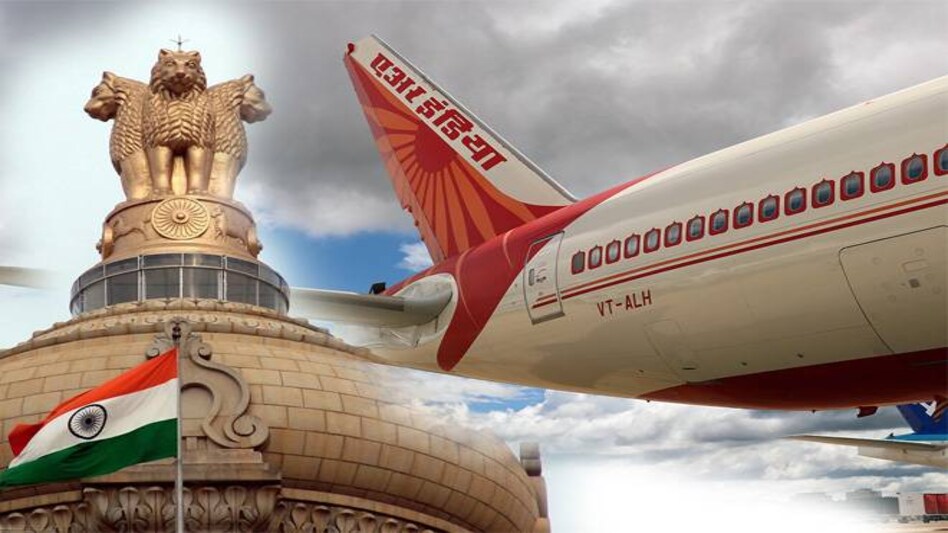
The Air India sale process is not going too well, by all indications. Yesterday (May 1, 2018), the government extended the deadline for submitting the expression of interest (EOI) for Air India, while easing a few conditions, and also clarifying a number of questions raised. However, the basic terms of the sale offer has not changed - the government wants the bidder (a single company or consortium) to pick up 76 per cent of the stake in Air India, including 100 per cent of Air India Express, and 50 per cent of AISATS, the ground handling subsidiary of AI. The buyer will still need to take on about Rs 33,392 crore of debt, and retain the staff of the airline for a year, after which it can design a suitable VRS for excess staff.
At least two prominent Indian carriers - Indigo and Jet Airways - have already backed off and said they will not be interested in taking over Air India, at least under the current terms and conditions.
 HDFC Bank penalises top officials, including CEO and CFO, in MSRDC case. Here’s why
 Where are the jobs: Youth unemployment remains high; fewer jobs for those with higher education in India
 What’s slowing the next phase of GCC growth?
 576 individuals reported gross income exceeding ₹100 crore in AY 2025-26
 NFO alert: SBI MF floats Nifty Midcap 150 Momentum 50 ETF FOF; why should you choose it
 Infosys Fined In France: 70-Hour Work-week Debate Returns After €175,000 Labour Penalty
 I.T. Sector Outlook: Is the Worst Over for Indian I.T. Stocks After Long Underperformance?
 France And Spain Wildfires Threaten Cap Ferret Mansions And Bordeaux Wine Country
 Maruti Suzuki Eyes 25-30% SUV Growth, Says CNG Demand Has Overtaken Diesel
 "Don't Divert Focus From Students' Future": Rijiju Urges Oppn To Debate Anti-Paper Leak Bill
 Tata Power Q1 profit rises 11% to Rs 1,176 crore; revenue up 6%, capex tops Rs 5,300 crore
 HDFC Bank concludes internal review into MSRDC deposit arrangements; CEO, CFO among 3 fined Rs 1 lakh
 How Narayana Murthy's era, Vishal Sikka's stint and Salil Parekh's tenure differed; big task awaits next Infosys CEO
 BEL Q1 results: Net profit rises 9%, revenue at Rs 5,533 crore
  Sensex, Nifty snap five-session losing run; investors add Rs 5.1 lakh crore in wealth
 Only 26 of every 100 young Indian graduates have salaried jobs; just 4 enjoy basic employment benefits: Report
 Apple iPhone 18 vs Google Pixel 11: Which flagship model should you wait for?HDFC Bank penalises top officials, including CEO and CFO, in MSRDC case. Here’s whyTata Power Q1 profit rises 11% to Rs 1,176 crore; revenue up 6%, capex tops Rs 5,300 crore
 CCTV Captures Thrissur-Kozhikode Bus Crash In Malappuram, One Killed And Around 20 Injured










