


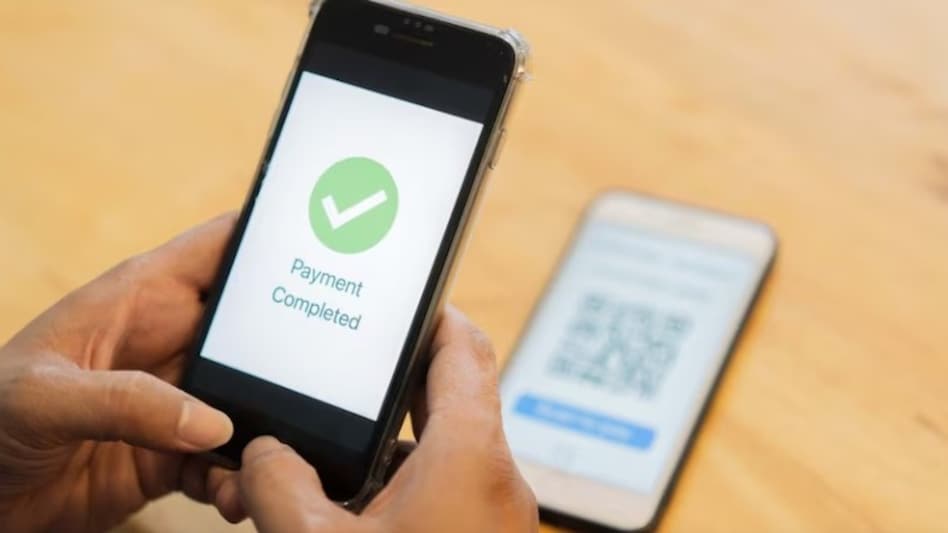
 A “collect request” or “pull transaction” lets a UPI user request money from another account holder.
The National Payments Corporation of India (NPCI), operator of the widely used Unified Payments Interface (UPI), has directed banks and payment apps to discontinue all peer-to-peer (P2P) “collect requests” from October 1, 2025, in a bid to curb financial fraud.
A “collect request” or “pull transaction” lets a UPI user request money from another account holder. While convenient, this feature has often been exploited by fraudsters to deceive users into approving payments they never intended to make. In a circular dated July 29, NPCI stated: “By October 1, 2025, UPI P2P Collect shall not be allowed to be processed in UPI.”
UPI currently supports two types of transactions: push and pull. In a push transaction, the payer initiates the payment by scanning a QR code or entering the recipient’s UPI ID. In a pull transaction, the beneficiary starts the process, and the payer authorises it by entering their UPI PIN.
At present, the P2P collect feature is limited to Rs 2,000 per transaction, with a daily cap of 50 successful credit transactions. While merchants can continue using collect requests, these will be restricted to legitimate business cases—for example, when customers make payments on platforms like Flipkart, Amazon, Swiggy, or IRCTC. In such cases, the merchant’s app sends a collect request, and the payment proceeds only after user approval.
Frauds involving collect requests were common in UPI’s early years. The number dropped sharply after NPCI imposed the Rs 2,000 transaction cap. Still, with rising cybercrime, the regulator is taking further preventive measures.
The NPCI directive instructs all member banks and UPI applications to stop initiating, routing, or processing P2P collect transactions. The Economic Times first reported the move.
Originally, the collect feature served as a handy tool for informal reminders—such as asking friends to repay small amounts or splitting expenses after a group outing. Some small shopkeepers also used it through personal bank accounts to request payments from customers. Today, such accounts are classified under merchant transactions, with separate rules. Moreover, UPI now offers dedicated split payment options, reducing the need for personal collect requests.
UPI remains India’s most popular digital payment system, handling nearly 20 billion monthly transactions worth about Rs 25 lakh crore. The country has around 40 crore unique UPI users.
Fraud incidents involving payment cards and internet banking have surged. Reserve Bank of India data shows 29,000 such cases in FY25, totalling about Rs 1,457 crore—more than double the 13,516 cases worth Rs 520 crore reported the previous year.
In July 2025 alone, UPI processed 7 billion P2P transactions out of a total 19.4 billion, up from 5 billion P2P transactions a year earlier, when overall volumes stood at 14 billion.

 Did Cockroach Janta Party's 'Chalo Sansad' 2.0 threat trigger Dharmendra Pradhan's resignation? What we know so far
 'Will discharge my responsibilities with complete humility': Pralhad Joshi after being appointed Education Minister
 Curious about Pralhad Joshi's wealth? A closer look at his assets, investments and liabilities
 From NEET protests to politics? What CJP's Saurav Das and Ashutosh Ranka have now revealed
 Metal recycling stocks to buy: Gravita, Pondy Oxides, Jain Resource among top picks
 Best Healthcare Stocks: Gaurang Shah's Outlook On Apollo Hospitals, Fortis & The Manipal Health IPO
 Is Indo-MIM's IPO Valuation Justified? Here's Why The Company Sees Strong Growth Ahead
 Treasury Bills Explained: Why T-Bills Are One Of The Safest Short-Term Investment Options
 FDs vs Markets: Where Should You Keep Your Short-Term Money?
 Why Term Insurance Is Essential for Every Earning Member | Sum Assured & Coverage Explained
 Metal recycling stocks to buy: Gravita, Pondy Oxides, Jain Resource among top picks
 TRIL shares: Should you average the falling stock? Here's 'fixed and final' stop loss
 Adani Power: 45 GW target, Rs 2 lakh crore capex plan among conference call highlights
  ITC Hotels, Chalet, Ventive, IHCL, SAMHI: Hotel stocks to buy despite travel disruptions
 ITC shares: Rs 307 a key short-term level to watch; here's target priceBest Healthcare Stocks: Gaurang Shah's Outlook On Apollo Hospitals, Fortis & The Manipal Health IPO
 From 4 stoves To ₹75 crore empire: R Madhavan applauds Bihar mother-son duo’s Thekua success storyCurious about Pralhad Joshi's wealth? A closer look at his assets, investments and liabilitiesMetal recycling stocks to buy: Gravita, Pondy Oxides, Jain Resource among top picksIs Indo-MIM's IPO Valuation Justified? Here's Why The Company Sees Strong Growth Ahead









