


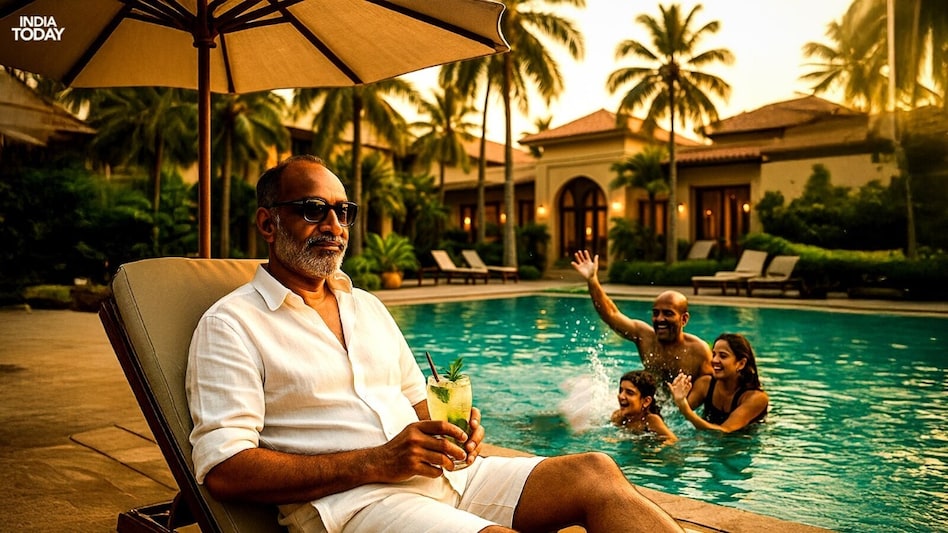
 He notes that even individuals retiring with ₹8-10 crore often find themselves feeling financially tight by their 70s.
A growing number of affluent Indians are discovering that having several crores tucked away for retirement doesn’t guarantee peace of mind. According to CA Nitin Kaushik, the real danger isn’t insufficient wealth — it’s a poorly structured portfolio that favours excitement over stability.
In a detailed post on X (formally twitter), Kaushik unpacked what he calls “the retirement mistake even the wealthy keep making”, arguing that many high-net-worth individuals unknowingly walk into retirement with a ticking time bomb: excessive equity exposure at the very stage of life when volatility hurts the most.

 Bitter Friday for Nestlé: Russia seizes assets as Moscow targets Western firms over Ukraine support
 From selling gold to spending ₹3.5 lakh: iPhone 18 Pro fever hits India as fans queue up on sale day
 Jefferies' Christopher Wood sees gold at $10,000 'sooner or later'; likes India's small, midcaps
 NSE IPO fully subscribed on Day 2; QIB, NII quotas booked 1.3 times each
 Warren Buffett steps down as Chairman after 60 years: What changes at Berkshire Hathaway now
 “Unacceptable And Unprofessional”: MEA Rejects Pakistan’s Claims Over INS Kolkata Collision
  Commodity Trading For Beginners: How MCX & NCDEX Work | Trading Basics | Money Today
 US Fed Rate Hikes A Headwind For Foreign Flows? | Jibi Jacob | Jefferies
 ₹25 Billion FII Outflow: What Could Bring Foreign Investors Back? | Jefferies' Jibi Jacob
 India’s Private CapEx Picks Up: Christopher Wood On The Market Outlook
 Jindal Supreme, SS Retail, Hero Motors IPOs subscribed up to 181 times on final day; details here
 Sensex, Nifty post sixth weekly loss; TCS, Titan among top laggards, slip up to 4%
 How AI collapse could benefit Indian equity market; Jefferies' Christopher Wood explains
  Banks are no more secular growth story, prefer NBFCs: Chris WoodJefferies' Christopher Wood sees gold at $10,000 'sooner or later'; likes India's small, midcaps
 Tata Electronics, L&T Semiconductor team up to expand India’s semiconductor manufacturingBitter Friday for Nestlé: Russia seizes assets as Moscow targets Western firms over Ukraine support
 Delhi Airport introduces dedicated gates for hand-baggage-only travellers: Check gate numbers
 Highway builders seek extension of West Asia-related relief measures till December 31
 Spending ₹36,999 or ₹49,999 on a Redmi phone? Compare the Note 17 Pro and Pro Max before buying in India












