


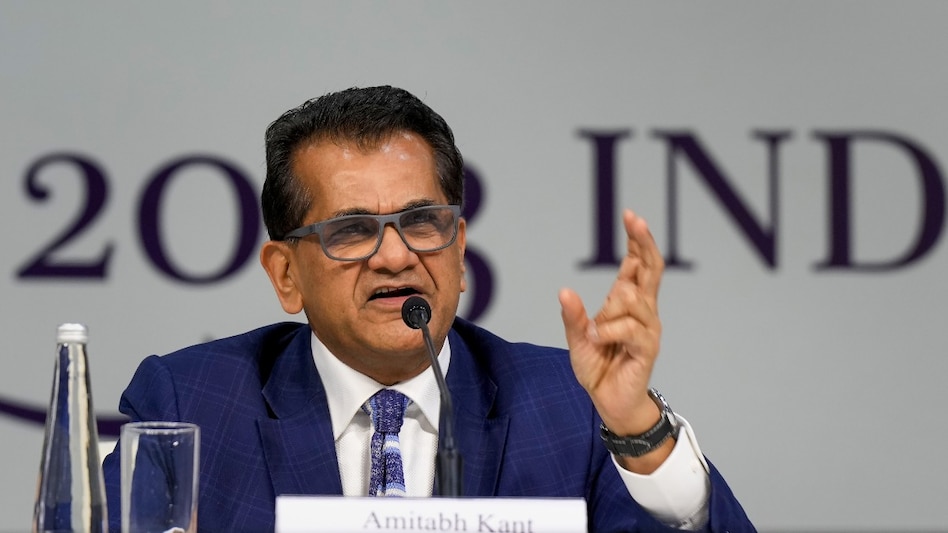
 Former NITI Aayog CEO Amitabh Kant
Former NITI Aayog CEO Amitabh Kant, in his latest podcast, has spoken against the government's expanding use of Quality Control Orders (QCOs) and suggested that they should not be imposed on inputs. He said quality control orders are a "protectionism in its worst form" and are making the Indian industry "highly globally uncompetitive", particularly hurting job creation and MSMEs.
Speaking to Groww's Monika Halan, Kant said the QCO regime had spread in a very rampant manner across more than 760 commodities and sectors, with a significant number imposed on inputs and intermediates rather than final goods. "My view is that quality control orders have been protectionism in its worst form, especially because many of these QCOs have been imposed on inputs and intermediates," he said. "That has put a huge burden on MSMEs in India and is making them totally uncompetitive in global value chains."

 ICICI Bank Q2 results: Net profit jumps 20% to Rs 14,843 crore; NIM contracts
 10 IT stocks add Rs 2,75,000 crore in m-cap in best week in 18 years; here's why
 HDFC Bank Q2 results: Net profit rises 4.7% to Rs 19,510 crore; key highlights
 ‘Much Appreciated’: Elon Musk responds to Reliance’s statement on Starlink’s India entry
 India's $4 trillion economy: Can it beat its 2003-07 growth streak and become No. 3 by 2030?
 Gold Investment Options: ETFs, EGR And MCX Explained | How To Invest In Gold Beyond Physical Buying
 Redmi Note 17 Pro Max Review , Vivo V80, Vivo Vision | Tech Gear EP 20 | Business Today
 Mahindra XUV 3XO ZNG Review: Turbo Power Meets CNG Mileage
 Gold, Silver Prices: Limited Upside Ahead Of Diwali? Expert Sees Gold At ₹1.5 Lakh, Silver At ₹2.3
 Expert Names REITs And INVITs To Watch For Quarterly Payouts And Potential Investment Returns
 ICICI Bank Q2 results: Net profit jumps 20% to Rs 14,843 crore; NIM contracts
 IDBI Bank Q2 net profit falls 39% to Rs 2,205 crore on year-ago's one-off gain
  Axis Bank Q2 net profit surges 38% to Rs 7,003 crore; NIM at 3.36%; key detailsHDFC Bank Q2 results: Net profit rises 4.7% to Rs 19,510 crore; key highlights10 IT stocks add Rs 2,75,000 crore in m-cap in best week in 18 years; here's whyICICI Bank Q2 results: Net profit jumps 20% to Rs 14,843 crore; NIM contracts
 How to buy the 'flying' Tesla Roadster? Reservations now open for Indian customers
  Expired food recycled to markets: Reliance, Zomato, Blinkit units hit by FDA actionIDBI Bank Q2 net profit falls 39% to Rs 2,205 crore on year-ago's one-off gain
  Meta accused of unequal treatment as Lula's accounts face restrictions during Brazil polls: Reports












