
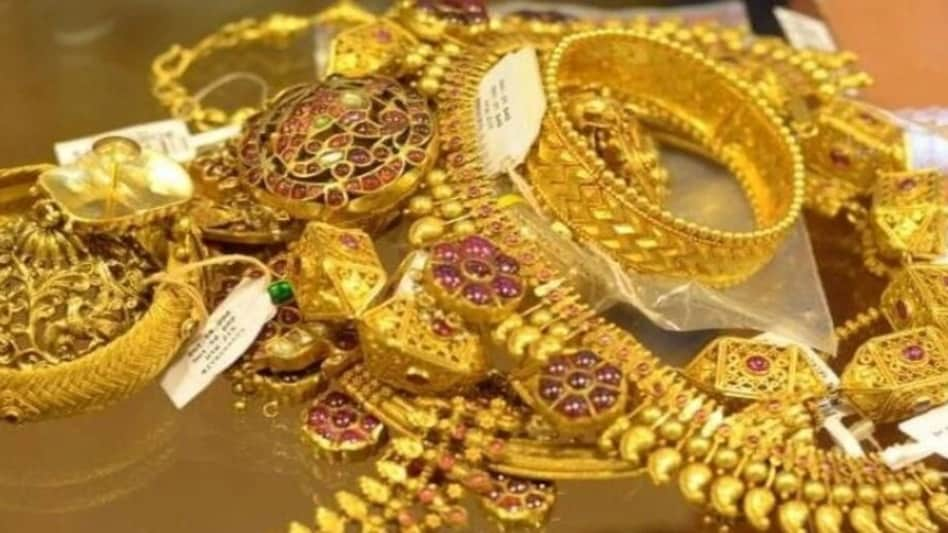
 Gold price falls
Gold, which has long been considered as a safe haven during stock market routs, is in a downward trend since March 2. Data from MCX show that the yellow metal rates which stood at Rs 1,69,605 on March 2 have fallen by Rs 8194 or nearly 5% to Rs 1,61,411 today. During the same period, Sensex shed 1,904 points and Nifty lost 559 points.
Considering the trend, the yellow metal should have surged since March 2 since investors usually park their funds in gold amid equity market routs.

 'We don't fear competition': Reliance hits back at Musk's Starlink India claims
 Jio IPO: How Ambani’s telecom giant stacks up against Mittal’s Bharti Airtel
 Sky high airfares: Govt to publish new rules within 2 weeks, Centre tells Supreme Court
 BT BIG STORY: 'Ratan Tata never wanted to list Tata Sons'
 Jio Platforms IPO: GMP hits new high; what could drive next phase of growth for telecom major
 Sennheiser Momentum 5 Review: Best Premium Headphones Under ₹40,000?
 Jio Platforms IPO: ₹30,000 Crore Issue Opens October 21, Valuation At ₹10.3 Lakh Crore
 Weekend OTT Releases: The Diplomat 4, Aasha, Sacrifice And More
 How Jio Transformed India From Data Scarce to Data Abundant! | Akash Ambani | Jio Platforms IPO
 Akash Ambani Decodes Jio's Financial Muscle | Reveals The 5 Key Business Drivers | Jio Platforms IPO

 Persistent Systems shares: Why this stock fell 6% after Q2 results; target prices
 Jio Financial shares: 37% upside potential in stock, what else MOFSL says post Q2 earnings
 HD Fire Protect IPO: How to check allotment status, odds of getting shares, fresh GMP & listing dateJio Platforms IPO: GMP hits new high; what could drive next phase of growth for telecom majorJio IPO: How Ambani’s telecom giant stacks up against Mittal’s Bharti AirtelSky high airfares: Govt to publish new rules within 2 weeks, Centre tells Supreme CourtPersistent Systems shares: Why this stock fell 6% after Q2 results; target prices
 Amazon's two new AI wearables can remember your conversations and remind you what to do nextJio Financial shares: 37% upside potential in stock, what else MOFSL says post Q2 earningsHD Fire Protect IPO: How to check allotment status, odds of getting shares, fresh GMP & listing date