


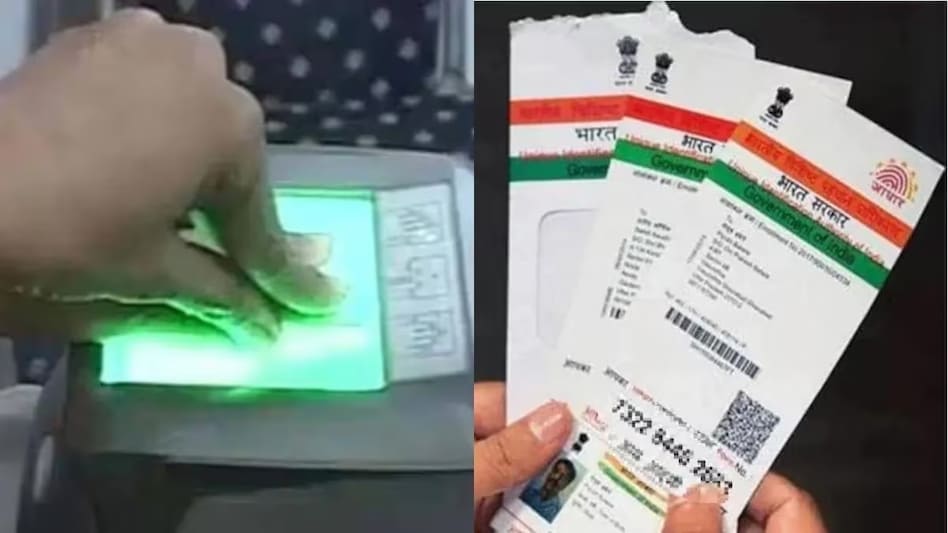
 If individuals choose to update their Aadhaar card details at offline centres, they will be required to pay the standard fee.
With the deadline fast approaching, all Aadhaar cardholders are being urged to update their information online at no cost before September 14. The Unique Identification Authority of India (UIDAI) has taken the initiative to prevent misuse and ensure the proper functioning of the Aadhaar system, emphasizing the importance of this obligatory update.
Amit Gupta, Managing Director at SAG Infotech, said, “The UIDAI usually charges Rs 50 to update Aadhaar card details, but right now it’s free until September 14. This effort encourages people to update their personal information, like their name, address, birth date, gender, phone number, and email. It’s easy to do online and convenient for everyone. It’s a good chance to make sure your information is up-to-date and correct. So, use this time to check and update your details if needed.”

 Trump pauses Russia-linked tariffs threatening India and China: What it means for India
 Brent hits $110 as Hormuz ship attacks, Houthi strikes on Saudi trigger oil rally
 Emirates NBD’s Indian branches to merge with RBL Bank from December 1
 SBI Research urges tax clarity on G-Secs, ECB rules to deepen domestic borrowing markets
 India invested just $15 billion in AI against $757 billion in US: Why private capital matters
 Expert Names REITs And INVITs To Watch For Quarterly Payouts And Potential Investment Returns
 Jio IPO: Mukesh Ambani's Big ₹30,213 Crore Bet, Reliance Employees Asked To Invest?
 Flying Cars Are Here? Elon Musk Shows Tesla Roadster Flying Through Air In Stunning Demo
 Ramakrishna P, CEO, India Mobile Congress Talks To Us About India’s Next Digital Frontier
 Market Recovery: Gaurang Shah Picks Banking, Defence, Power And Cement Stocks For Fresh Bets
 Punjab National Bank: Buy, hold or sell post Q2 results? MOFSL shares targetBrent hits $110 as Hormuz ship attacks, Houthi strikes on Saudi trigger oil rally
 CCL Products shares fall 9% on Q2 results; brokerages see up to 30% upside
 PNB Q2 earnings: Net profit rises 13%, asset quality improves
  BT Explainer: What changes for investors post revision of new Closing Auction System
  Petrol, diesel prices today (October 17): Check latest rates in Delhi, Mumbai, Chennai, Kolkata & moreExpert Names REITs And INVITs To Watch For Quarterly Payouts And Potential Investment ReturnsPunjab National Bank: Buy, hold or sell post Q2 results? MOFSL shares target
 Audi India launches new Q3 at Rs 51.99 lakh; eyes 15% share of India’s luxury car market in 3-5 yearsTrump pauses Russia-linked tariffs threatening India and China: What it means for India












