


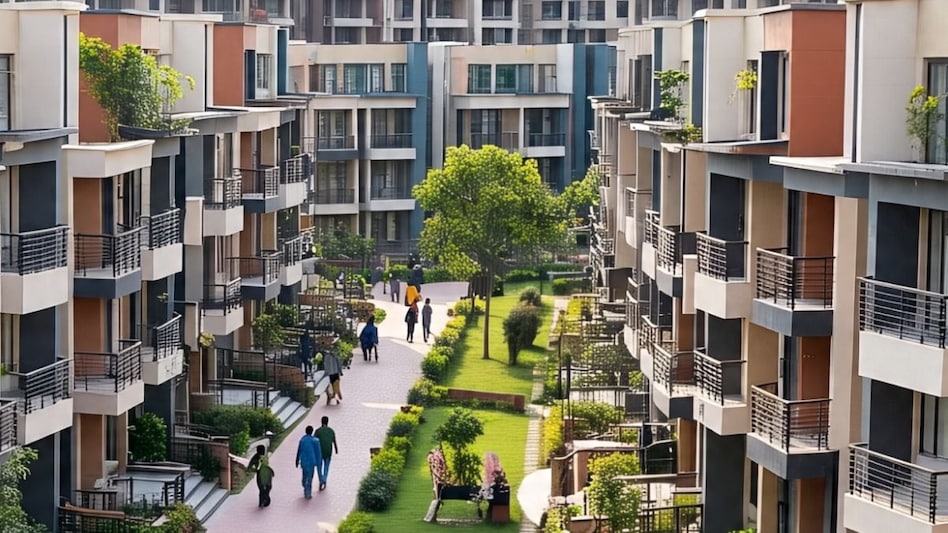
 "Is owning a home still a realistic goal for the average Indian family today?," she asked in her post.
It could take a middle-class family in Mumbai over a century to buy a home, 109 years, to be exact, without inheritance, a long-term loan, or dual income, according to a sharp LinkedIn post by Chandralekha MR, founder of Dime, a wealth advisory firm.
Chandralekha breaks down the math with brutal clarity. Mumbai’s average home costs ₹3.5 crore, while the typical household earns about ₹10.7 lakh a year. Assuming a generous 30% savings rate, that leaves just ₹3.2 lakh in annual savings — meaning it would take 109 years to afford a home outright.

 IPO rush at D-st: Varmora, Moneyview, Elevate Campuses among 7 issues to raise over 4,900 crore
 CBI registers FIR against Reliance Capital & Anil Ambani over ₹2,684-crore LIC loss
 ‘It was inappropriate…’: IIT-B apologises for earlier statement, says Director has not resigned
 Apple layoffs: iPhone maker begins fresh job cuts, second round in two months
 NSE IPO: What sets India’s second-largest issue apart? A token sale
 India’s Credit Growth Surprises At 18-19%: Christopher Wood On CapEx | Jefferies Forum 2026
 MG Hector Tomahawk EV Review | 517km Range, 7 Seats, Performance & Ride Quality | MG’s Best SUV Yet?
 Gold Price Target 2026: Expert Sees MCX Gold At ₹1.8 Lakh By Year-End Amid Strong Demand
 Health Insurance: Why Pre-Existing Diseases And Waiting Periods Matter For Buyers
 Crude Oil Above $100: How High Energy Prices And Rupee Weakness Impact Gold Prices In India
 SAIL likely to hike steel prices again, say sourcesIPO rush at D-st: Varmora, Moneyview, Elevate Campuses among 7 issues to raise over 4,900 crore
 Tata Communications: 'Buy' call for Tata stock amid growth in AI, cloud opportunities NSE IPO: What sets India’s second-largest issue apart? A token sale
 NSE IPO: India's largest exchange gets 1.73x subscription on Day 3 so far; retail portion booked 94%SAIL likely to hike steel prices again, say sources‘It was inappropriate…’: IIT-B apologises for earlier statement, says Director has not resignedCBI registers FIR against Reliance Capital & Anil Ambani over ₹2,684-crore LIC lossIPO rush at D-st: Varmora, Moneyview, Elevate Campuses among 7 issues to raise over 4,900 croreTata Communications: 'Buy' call for Tata stock amid growth in AI, cloud opportunities












