


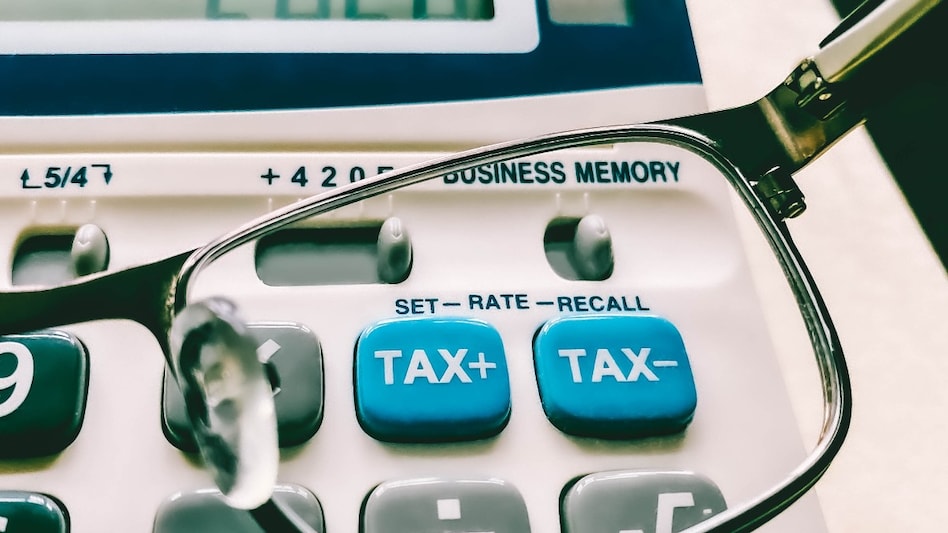
 Under the new tax regime, salaried taxpayers availing the Rs 75,000 standard deduction will face zero tax liability if their gross income is up to Rs 12.75 lakh.
As India heads towards Union Budget 2026, the sweeping income tax changes announced last year continue to shape expectations among salaried and middle-class taxpayers. Budget 2025 marked one of the most significant resets of the personal income tax framework in recent years, sharply raising the tax-free income threshold and simplifying compliance under the new tax regime.
Union Finance Minister Nirmala Sitharaman increased the standard deduction and expanded the scope of the Section 87A rebate, effectively ensuring that salaried individuals earning up to Rs 12.75 lakh pay zero income tax. For non-salaried taxpayers, the tax-free limit was raised to Rs 12 lakh. The move was positioned as a direct boost to household disposable income and consumption, with implications that will be fully felt from the filing season beginning April 2026.

 Indian Oil, HPCL, BPCL shares rise as brent crude prices fall for fourth day
  Ahead of 3-day bank strike next week, Chief Labour Commissioner calls for meeting
 Tata Sons power struggle: Who will pay for the next legal battle?
 Semiconductor stocks: Centrum's Nilesh Jain prefers CG Power, Syrma SGS; cautious on Kaynes, Dixon
 Will India cut down on Russian crude purchases due to US tariffs? Here’s what we know
 Tata Sons Listing Row: Shapoor Mistry Backs IPO As Noel Tata Pushes ₹25,000-Crore Plan
 Takeda, Dr. Reddy’spartner To Bring QDENGA Dengue Vaccine To India; Launch Expected In H1 2027
 Would You Really Upgrade Your iPhone Just For THIS? | The iPhone 18 Pro Debate
 IPO Rush Drains Secondary Market Liquidity; Ajay Bagga On Primary Market & NSE IPO
 Dr. Reddy's Sees Dengue Vaccine Opportunity As QDENGA Launch Nears
 Dr. Reddy’s, Lupin shares among buzzing stocks as pharma sector back in focus
  3 Warren Buffett quotes for Indian stock market investors today
 Sensex jumps 564 points, Nifty tops 23,400; will this upmove sustain?
 Warren Buffett's message to shareholders: Full text of the farewell letter
  Hero MotoCorp, Delhivery shares set for a rebound: Market expert
  Your iPhone can alert you when someone calls your name—here is the setting most users may have missedDr. Reddy’s, Lupin shares among buzzing stocks as pharma sector back in focus 3 Warren Buffett quotes for Indian stock market investors today
 What happens if an earthquake strikes at 320 kmph? How 28 sensors will help stop the Mumbai–Ahmedabad bullet train
 Samsung hires 'Tim Cook' for Galaxy Z Fold 8 promo, iPhone Duo fans may do a double take












