


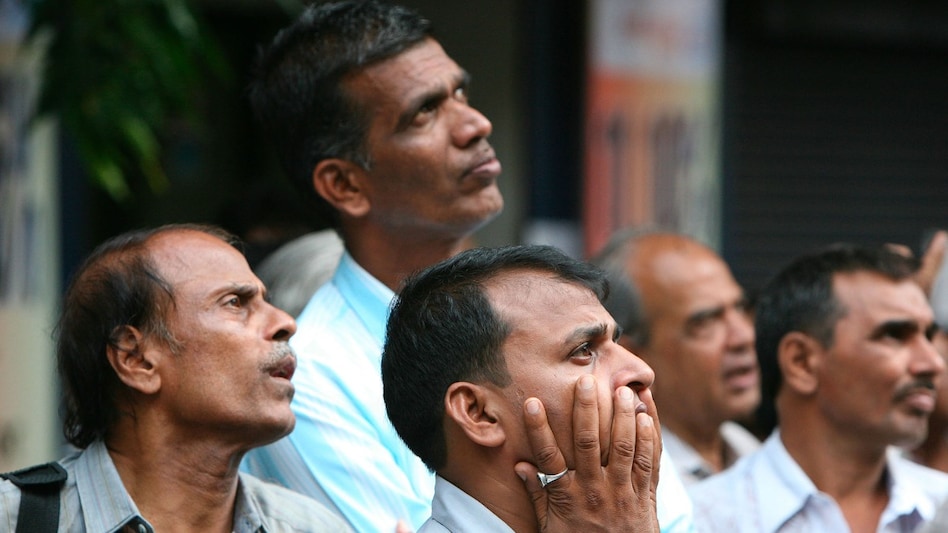
 Nomura called India, Indonesia and the Philippines, all twin deficit countries, as the most vulnerable equities markets in Asia.
Nomura in its fresh Asia strategy note on Monday warned that any sustained rise in oil prices, due to supply disruptions will be negative for Asian equities, which are mostly net-energy importer countries. It called India, Indonesia and the Philippines, all twin deficit countries, as the most vulnerable equities markets.
Nomura said some short-term profit taking from equities in Korea and Taiwan, where momentum is strong and positioning appears stretched, is likely. But it does not expect a lasting damage on the said markets.

 Sensex, Nifty surge 1% each; reverse AI trade, Jio IPO, rupee in spotlight
 LIC shares climb 2% as IDBI Bank strategic buyer Fairfax gets government approval
 Layoffs are ‘normal in SaaS’: Sridhar Vembu says there’s a lot of pressure on the cost side
 IMF applauds India GDP data revamp, says strong fundamentals cushioned energy shock
 BT BIG STORY: IPO done, NSE is now looking at other options for future business
 Vijay’s Viral Hand Gesture Gets RSS Twist As DMK Sparks Fresh Political Row
 IDBI Bank Sale To Fairfax: A Landmark Deal For India's Banking Sector? Gaurang Shah
 Tata Technologies Q2 FY27 Results | Warren Harris On Q2 Growth, Big Deals And FY27 Outlook
 ASUS ROG Zephyrus G14 (2026) Review: ₹3.6 Lakh Gaming Laptop Worth Buying?
 IMC 2026: The Biggest Tech Innovations You Need To See!
 Jio IPO: Meta, Google, ADIA, 7 others eye Rs 3.18 lakh crore stake value, gains on investmentSensex, Nifty surge 1% each; reverse AI trade, Jio IPO, rupee in spotlight
 Canara Bank shares tumble 6% to hover near 52-week low; what brokerages sayLIC shares climb 2% as IDBI Bank strategic buyer Fairfax gets government approval
 IDBI Bank shares in correction mode after stake sale to Fairfax; what analysts say Jio IPO: Meta, Google, ADIA, 7 others eye Rs 3.18 lakh crore stake value, gains on investment
 Apple’s new Siri AI upgrade: Older Apple TV 4K models to get upgrade, but HomePod mini claims corrected
 Navratri 2026: Buying a Hyundai this festive season? Creta gets up to ₹1.25 lakh off; Aura, Verna, i20 also discountedVijay’s Viral Hand Gesture Gets RSS Twist As DMK Sparks Fresh Political RowSensex, Nifty surge 1% each; reverse AI trade, Jio IPO, rupee in spotlight












