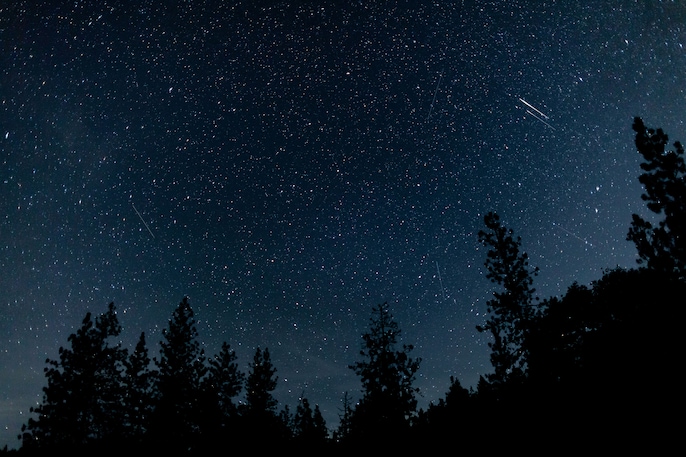
NASA lists the peak night as October 21 into October 22, with activity continuing from October 2 to November 7. This gives families a date to plan around, while allowing another attempt if the peak night is cloudy at their location.
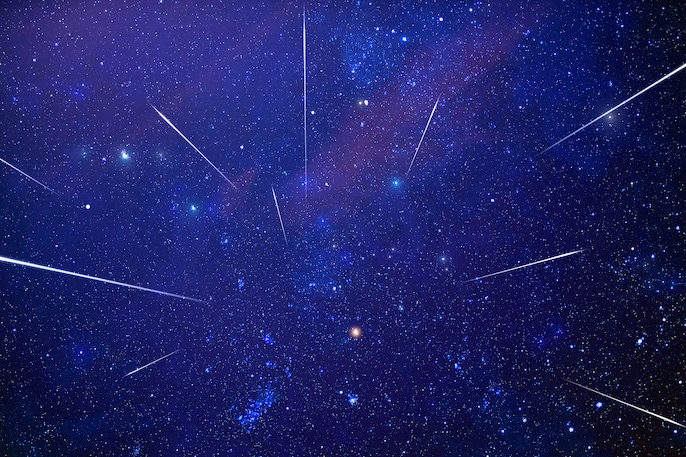
The Orionids appear when Earth passes through debris left by Halley's Comet. Small particles enter our atmosphere and create luminous streaks. You are watching those particles, rather than seeing the comet itself; NASA says Halley next returns to the inner solar system in 2061.
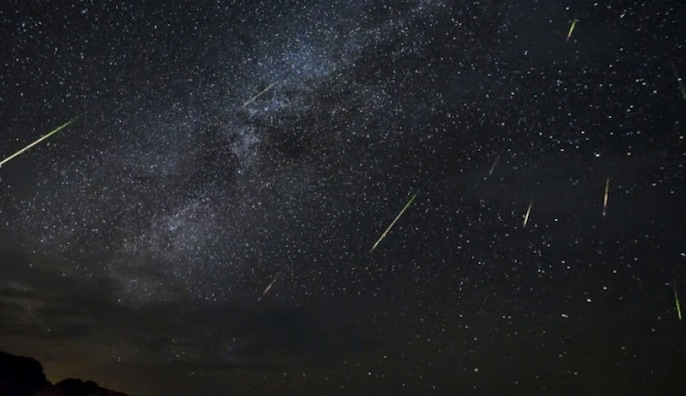
NASA's October guide warns that a waxing gibbous Moon will interfere with faint meteors around the peak. The hours before dawn, after local moonset, offer a better opportunity. Check moonset for your own city instead of using one viewing time for all of India.
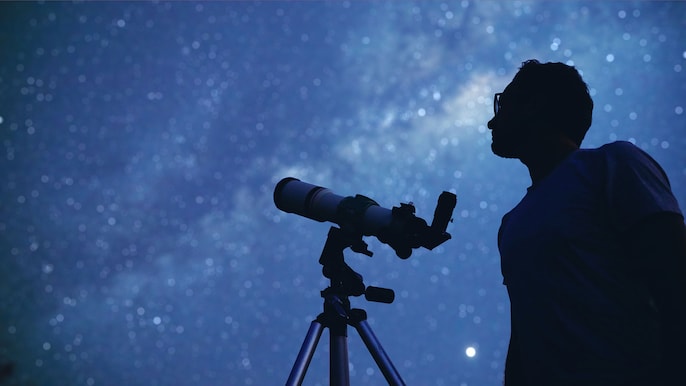
NASA recommends an observing spot away from city and street lights, a comfortable chair or blanket, and time for the eyes to adapt. Allow roughly 30 minutes in darkness. Choose a safe, accessible location with a broad view before taking children out late.
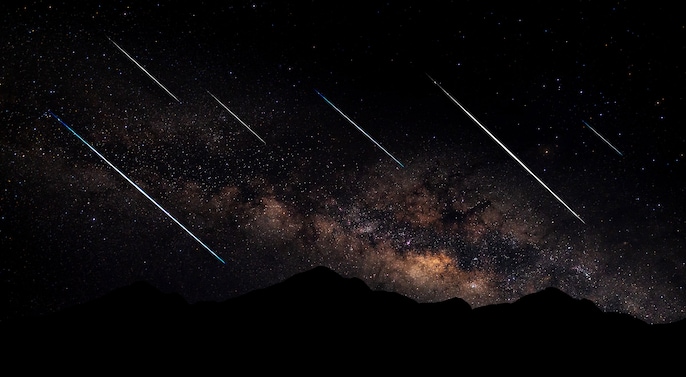
A meteor can appear across a large area of sky, so a telescope's narrow field is unhelpful for watching the shower. The radiant lies near Orion, but you need not stare only at the constellation. Settle back and scan a broad stretch of open sky.
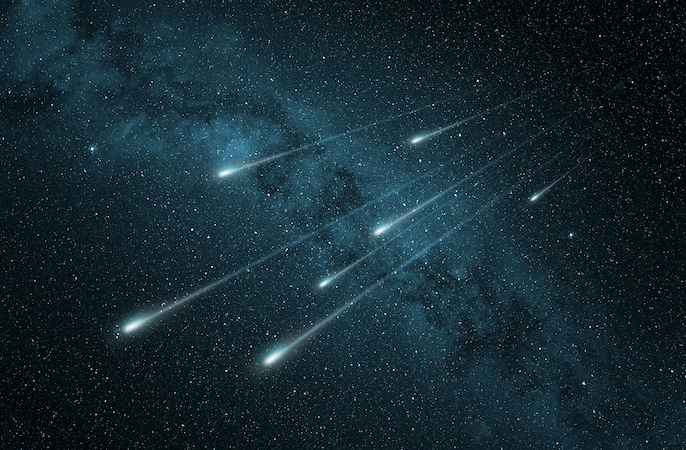
NASA gives about 10–20 meteors an hour under dark skies. That is an ideal-condition guide, not a count promised for your terrace. Clouds, bright surroundings and the Moon can reduce sightings. Check cloud cover and local moonset before deciding how far to travel.
 IMC 2026: The Biggest Tech Innovations You Need To See!
 What Is A Specialized Investment Fund (SIF)? SIF Vs Mutual Funds Explained
 This Week In Cinema: Jailer 2, Ranabaali, Prahaar, Nayyi Navelli & Street Fighter Hit Theatres
 India Inflation Shock: WPI Hits 11.39%, CPI At 5.54% As Crude Oil Touches $107 A Barrel
 Cabinet Approves IDBI Bank Stake Sale to Fairfax: Is the Stock Still a Buy?