














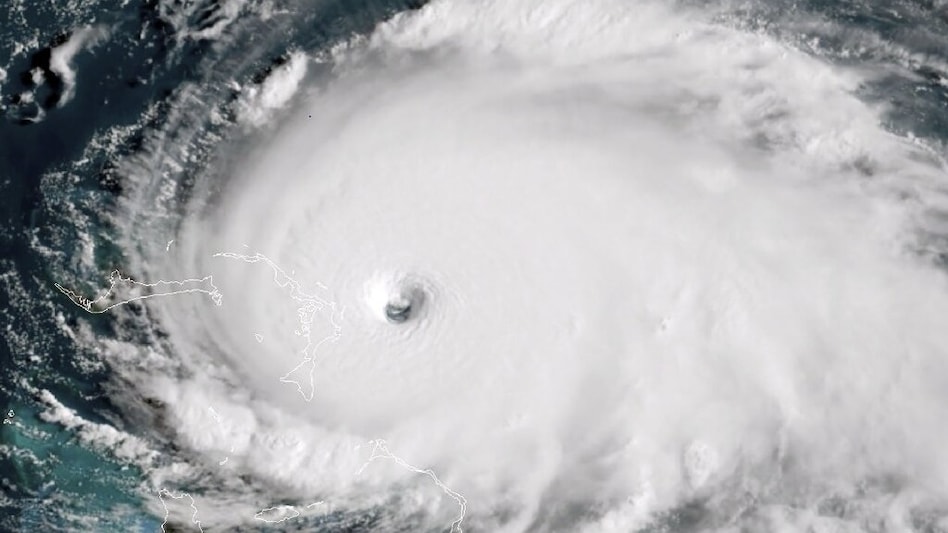
 Although Category 5 storms are relatively rare, they account for some of history's most catastrophic weather disasters because of their extreme winds, torrential rainfall and coastal flooding.
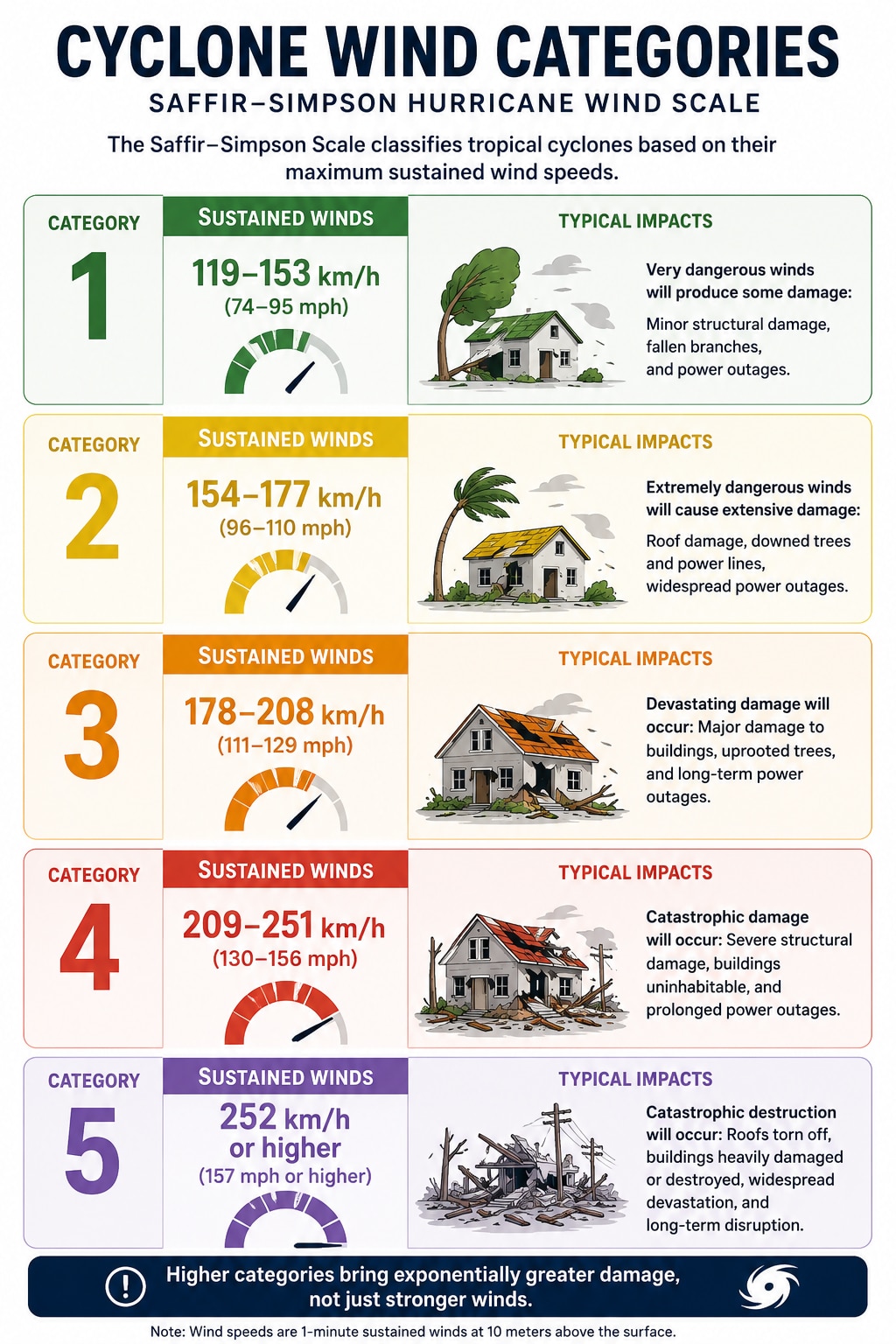
 As Super Typhoon Bavi races towards the Mariana Islands with Category 5-equivalent strength, it has once again drawn attention to the world's most powerful tropical cyclones. With sustained winds exceeding 252 km/h, these storms are capable of unleashing catastrophic winds, storm surge and torrential rain in a matter of hours.
When a tropical cyclone reaches Category 5, it has entered the highest classification on the Saffir–Simpson Hurricane Wind Scale. These are the most powerful storms on Earth, capable of flattening homes, uprooting forests, triggering devastating storm surges and leaving widespread destruction in their wake.
 'Essel Group repaid ₹43,000 crore debt': Subhash Chandra seeks independent audit to examine his debt
 India should create 1,580 Suzukis: Piyush Goyal urges Japan to boost investment
 Tata Sons gets 3-month AGM extension from RoC amid leadership uncertainty: Report
 'Will work with friends in Switzerland': Media baron Subhash Chandra reveals next course of action after NCLT order
 Nepal flash floods: Death toll hits 626, rescuers reach Gyriong checkpoint where Sadhguru team was stranded
 Latest Tech News | Witcher 3 Remastered, Mac Studio, vivo X500 | Business Today
 The Best Budget TWS Buds? Tech Gear EP 16 | CMF Buds Neo | Mijia Air Purifiers | Business Today
 How To Choose The Right Debt Fund: 3 Key Factors Investors Must Check Before Investing
 Debt Funds Explained: How They Work, Where They Invest & How Investors Earn Returns
 How Much Silver Should You Allocate In Your Portfolio? Expert Shares Ideal Portfolio Strategy
 Jio Platforms IPO gets SEBI nod: Rs 27,500 crore debt repayment plan, $100 billion valuation in focus
 Closing Auction Session: Why the system expected to reduce volatility is still seeing occasional wild swings
 RIL-backed penny stock hits 52-week low; firm clarifies on high trading volume
 Happiest Minds shares slip despite IT stocks surge; here's what is weighing on the stock
 BEL, Solar Industries shares remain Nuvama's top defence picks; here's what it said on BDL, Data Patterns, HALNepal flash floods: Death toll hits 626, rescuers reach Gyriong checkpoint where Sadhguru team was strandedLatest Tech News | Witcher 3 Remastered, Mac Studio, vivo X500 | Business TodayIndia should create 1,580 Suzukis: Piyush Goyal urges Japan to boost investment
 Why Steve Jobs picked Tim Cook as CEO: Story behind Apple's biggest succession betThe Best Budget TWS Buds? Tech Gear EP 16 | CMF Buds Neo | Mijia Air Purifiers | Business Today


