













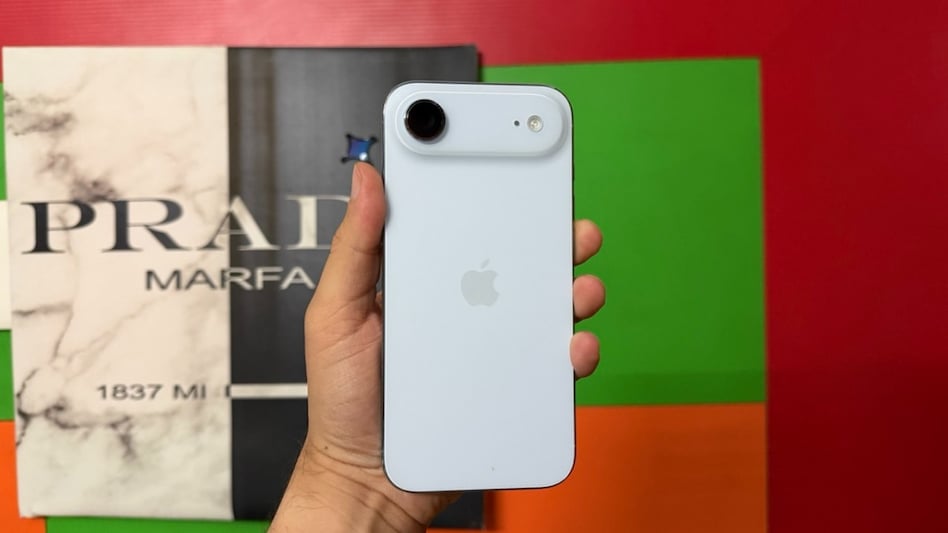
 iPhone Air
When you first hold the iPhone Air, it feels almost unreal. At just 5.6mm thick and 165g, this 6.5-inch iPhone barely feels like a piece of tech at all. It is the kind of phone that makes people stop and ask to hold it. During my time with the device, that happened constantly. Everyone wanted to see how thin it really was, and once they did, the reactions were pure disbelief.
The iPhone Air marks a clear shift in Apple’s design language. Rather than adding more cameras, more lenses, and more bulk, Apple has done the opposite. It trimmed everything down, making the Air not only the slimmest iPhone ever, but also the lightest in its size class. The titanium frame keeps it sturdy, even under pressure tests, while the Ceramic Shield 2 glass resists scratches better than any iPhone before it. It feels premium, yet delicate enough that you instinctively hold it more carefully.

 100% tariffs immediately? What Trump’s new Russia sanctions law means for India
 Russian oil & gas purchase: Trump signs Bill into Act targeting 100% tariffs on India, China
 'Tatas today are the face of India...': Former Solicitor General Harish Salve backs Tata Sons public listing
  Trump’s announces Greenland deal with Denmark: What it means for US military presence
 Panic button: California governor issues order for mandatory kill switch on advanced rogue AI
 Health Insurance: Why Claim Settlement Ratio Is Not Enough When Choosing The Right Insurer
 “Unacceptable And Unprofessional”: MEA Rejects Pakistan’s Claims Over INS Kolkata Collision
  Commodity Trading For Beginners: How MCX & NCDEX Work | Trading Basics | Money Today
 US Fed Rate Hikes A Headwind For Foreign Flows? | Jibi Jacob | Jefferies
 ₹25 Billion FII Outflow: What Could Bring Foreign Investors Back? | Jefferies' Jibi Jacob
 Jindal Supreme, SS Retail, Hero Motors IPOs subscribed up to 181 times on final day; details here
 Sensex, Nifty post sixth weekly loss; TCS, Titan among top laggards, slip up to 4%
 How AI collapse could benefit Indian equity market; Jefferies' Christopher Wood explains
  Banks are no more secular growth story, prefer NBFCs: Chris Wood
 Jefferies' Christopher Wood sees gold at $10,000 'sooner or later'; likes India's small, midcaps
 Ghosts in the machine: How a false AI intel almost triggered a US-China clash in West Asia
 Fujifilm X Half review: The not-so-retro digital camera for Gen-Z
 Now, Google Gemini becomes latest AI model to break out & hack real companies
  On tracks: How Maruti Suzuki is shifting to railways for its car dispatches
 LPG, CNG, PNG prices today (September 19): Check latest rates in Delhi, Mumbai, Kolkata, other cities


