


 The report comes amid efforts by the US government to limit China's access to advanced technologies
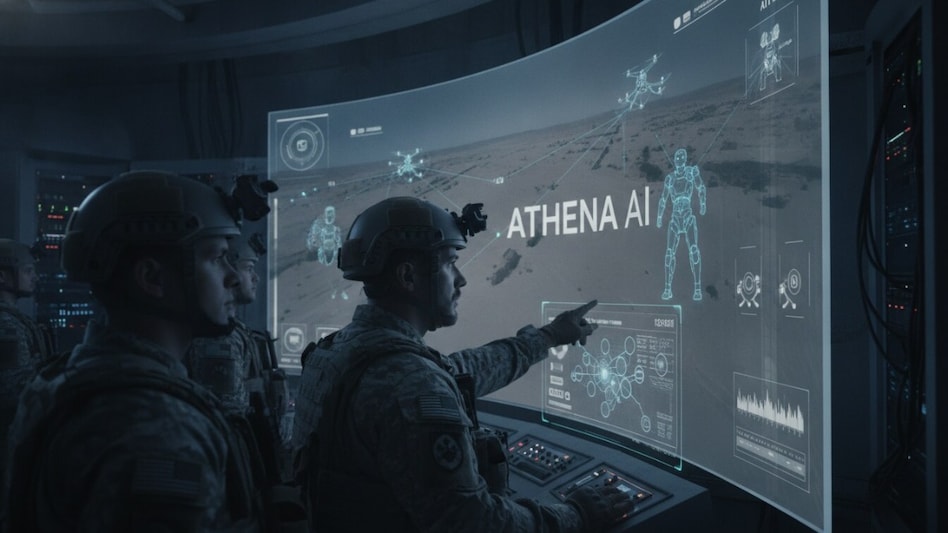
Chinese military is exploring ways to strengthen and develop specialised AI capabilities for defence and military applications. To do so, it is reportedly using outputs generated by US AI models from OpenAI and Anthropic to help train its own AI systems. According to a Reuters report, Chinese researchers are likely using existing US-developed AI models as a shortcut to build domestic AI systems, instead of developing everything from scratch.
Reuters review of more than 80 Chinese academic papers and patents revealed that researchers linked to the Chinese military, including the People’s Liberation Army (PLA) and security institutions, have used outputs generated by AI models from OpenAI and Anthropic to help train China's own AI systems.

 HDFC Bank's next CEO: Deputy MD Kaizad Bharucha in focus after Jagdishan opts out
 India's debt ratio looks reasonable, but its interest cost doesn't, says ISB finance professor
 Less than $1 per tonne-km: Bengaluru startup announces autonomous seaplane to cut cargo costs
 Nepal issues fresh flood alert as Bhote Koshi river flow increases further
 From IIT, IIM and London to IAS: Deoria DM Divya Mittal resigns after 13 years
 Content Creators: Are Free Products & Brand Gifts Taxable? GST & Income Tax Explain
 Xiaomi's Sub-Brand Mijia Launches New Air Purifiers In India
 Can Quick Commerce Growth Help It Reclaim Its All-Time High? | Zomato Shares | Swiggy Shares
 From ‘Pothole City’ To Global Hub? D. K. Shivakumar’s Big Bengaluru Vision
 Tax-Saving Hacks: Expenses For Content Creators & Freelancers — What You Can Claim
 Jio Platforms IPO gets SEBI nod: Rs 27,500 crore debt repayment plan, $100 billion valuation in focus
 Closing Auction Session: Why the system expected to reduce volatility is still seeing occasional wild swings
 RIL-backed penny stock hits 52-week low; firm clarifies on high trading volume
 Happiest Minds shares slip despite IT stocks surge; here's what is weighing on the stock
 BEL, Solar Industries shares remain Nuvama's top defence picks; here's what it said on BDL, Data Patterns, HAL
 China says it has shared satellite, hydrological and early-warning data with Nepal
 Tibet-Nepal floods: Limited footage in China as videos of devastation spread across the worldContent Creators: Are Free Products & Brand Gifts Taxable? GST & Income Tax Explain
 India sends 68.5 tonnes of relief, tunnel experts and Bailey bridge equipment to NepalXiaomi's Sub-Brand Mijia Launches New Air Purifiers In India












