


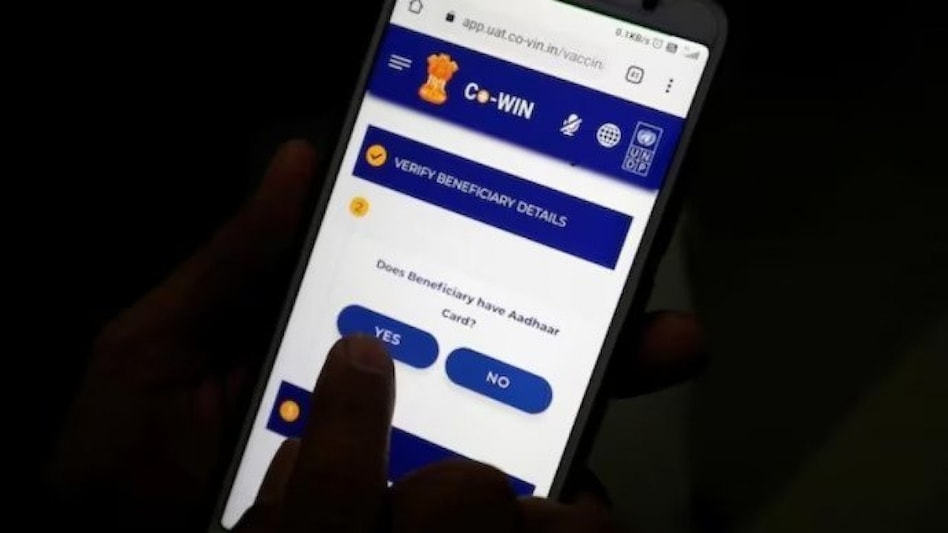
 Though the breach has not been verified, security experts say the government should take some proactive measures
Reports about a breach of the CoWIN platform and that the data of millions of citizens was compromised have left citizens worried about their personal data being misused. The government has clarified that no such breach has occurred. However, since the Telegram bot was giving out data upon entering mobile numbers like Aadhaar, and date of birth before its removal, data could be available in the public domain. If this data were to fall into the wrong hands, it could be misused, leading to identity theft, digital fraud, and financial fraud.
Though the breach has not been verified, security experts say the government should take some proactive measures.
 Why Zerodha Fund House is bullish on life cycle funds
 Ex-IMF economist Surjit Bhalla backs 7.8% GDP number: 'No evidence of exaggeration'
 Air India sacks Phuket-Delhi pilot after psychoactive substance test comes back positive
 BT Explainer: Why Volkswagen Group plans to axe 12% of its workforce in India
 NSE IPO update: SEBI approval likely next week; Check expected dates of price band and listing
 #DemocraticNewsroom | '800 Million People On Subsidies': Siddharth Zarabi On India’s K-Shaped Economy
 #DemocraticNewsroom | India Inflation Data: Are Official Numbers Hiding The Real Economic Picture?
 GDP Real Or Fudged? Siddharth Zarabi Defends India’s Growth Numbers With Data
 Financial Planning For Couples: How To Build A Strong Financial Plan, Budget & Wealth Together
 “High Sugar, Salt, Fat”: FSSAI CEO On Proposed Red Warning Labels On Food Packs
 56% rally in TBZ stock: Upper circuit led to record high today; here's why
  Sensex, Nifty snap four sessions of losing streak; RIL, Tata Steel, Bajaj Finance boost sentiment
  Physicswallah shares jump 9% as Motilal Oswal sees 66% upside
 KEC International: At 52-week low, Geojit expects more downside in infra stockNSE IPO update: SEBI approval likely next week; Check expected dates of price band and listing
 US debt hits $40 trillion: Why India should worry about rising yields, rupee and capital flows now
 Axis Bank Scapia credit card goes live: Check lounge access, UPI rewards, forex benefits and fees
 From HUL to local jewellery brands: Bigg Boss creates a two-tier advertising ecosystem
 HbA1c of 6.4% is NOT 'almost normal': Why this borderline reading can be a warning sign
 China’s oil use drops sharply: Expert says EV shift is changing global energy demand












