


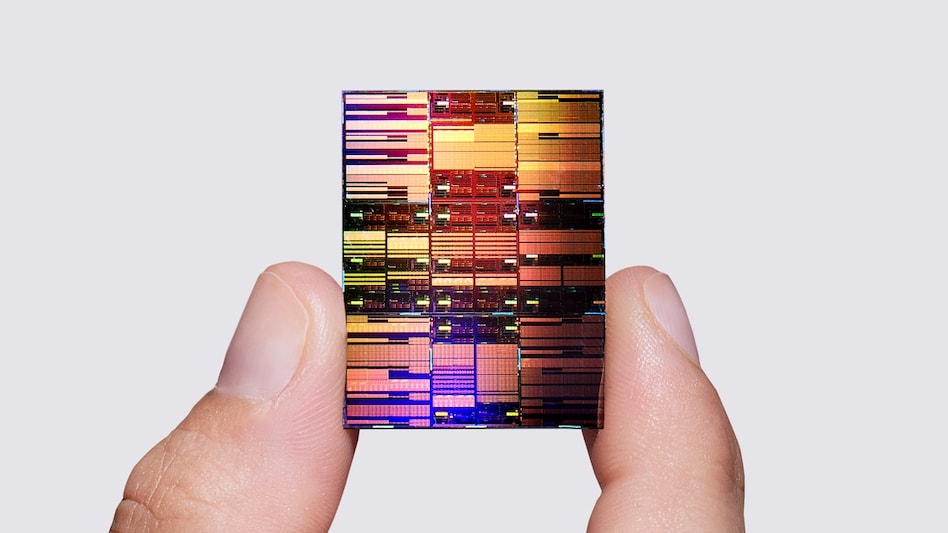
 The chip can pack nearly 100 billion transistors into an area roughly the size of a fingernail, almost twice the density of IBM’s 2 nm chip.
 IBM has unveiled what it claims is the world’s first sub-1 nanometre chip technology, a research breakthrough that could extend semiconductor scaling for another decade as conventional transistor designs approach their physical limits.
The technology, demonstrated at the 0.7 nm, or 7 angstrom, node uses a new three-dimensional transistor architecture called “nanostack”. IBM said the design could deliver up to 50% higher performance or 70% better energy efficiency compared with its 2 nm technology unveiled in 2021.

 UPI MDR of 0.4% on transactions above ₹2,000 from October 15: What you need to know
 'Private sector must invest, must hire and compensate fairly': CEA Nageswaran asks India Inc to step up
 Apple under pressure in India over iOS 18 screen damage and warranty claims: All details
 India exports 500 tonnes of hilsa to Bangladesh as fish trade flow reverses
 'Sher aaya, sher aaya': Ex-HCL CEO says AI doomsday warnings are hype, won't kill humans
 Crude Oil Price Surge: Will Petrol And Diesel Prices Rise In India?
 Market Commentary: Sharad Avasthi On Nifty, Stocks & The Next Big Move
 RBI Files Caveat In Bombay HC Ahead Of Tata Sons Appeal | Tata Group Stocks | Tata Chemical Shares
 NSE IPO Explained: Price Band, Valuation, Growth Potential And Key Risks
 Stock Market Falls As Crude Oil Nears $110 & Weak Rupee | Stock Market News
 CDSL shares slip 4%; brokerage upgrades stock to 'Buy': Check revised target
 Paytm, One Mobikwik shares: How UPI fee fears may affect sentiment in fintech players
  Sensex tumbles 778 points; Nifty briefly slips below 22,900 amid CAS volatility; what's ahead?
 Hindustan Copper, Garware Hi-Tech Films, Vijaya Diagnostic Centre among stocks to turn ex-dividend on September 16
 Solar energy stock gets target price hike, HSBC maintains 'buy; says this
  Small merchants will not come under UPI MDR even above ₹2,000 if they meet this condition; check details
 Tata Sons board meeting on September 17: RBI ruling, Chandrasekaran succession and Trusts row in focus
 UPI MDR new rules: 0.4% charge above ₹2,000, ₹300 cap on high-value payments; see FAQs
 From ₹10 Lakh Opening To ₹268 Crore Worldwide: Hanuman Ansh’s Box Office Run
 “13 Indian Seafarers Rescued, One Missing”: India On MT El Gaia Attack Off Oman Coast












