


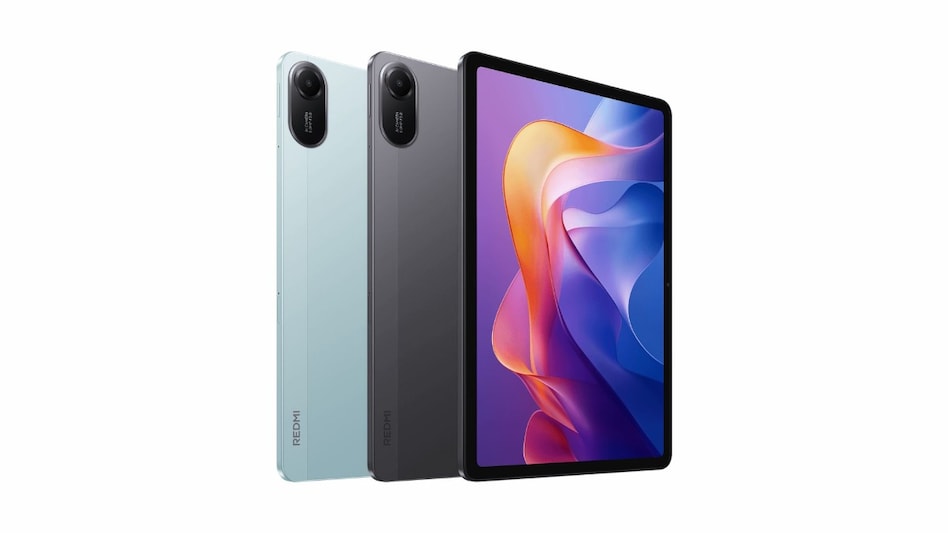
 Redmi Pad 2
The sub-₹20,000 tablet market in India has felt stale for a while, dominated by iterations of the same Samsung Galaxy Tab A series and budget Android rebrands. But Xiaomi seems ready to change that narrative with the Redmi Pad 2, a value-driven yet surprisingly refined device that offers more than just a big screen on a budget. It launched in India this week, and from the looks of it, it’s not here to be a cheap alternative; it wants to be the budget tablet to beat.
Let’s get one thing out of the way: this isn’t just a refresh or a rebrand. The Redmi Pad 2 has been rethought in meaningful ways, with thoughtful hardware choices, Xiaomi’s new HyperOS 2, and accessories that don’t feel like afterthoughts. Starting at ₹12,999 (with introductory HDFC offers), it’s a clear shot at Samsung’s Tab A9 and even entry-level iPads for some use cases.

 Did you know India’s cash demand is strong despite the digital payment boom?
 Xi Jinping likely to visit India after 7 years for BRICS summit, may bring 400-member delegation
 Bitcoin price today: BTC crosses $80,000 for first time since May, rises 25% in week; what's driving it
 Stock market holiday: Will NSE, BSE remain closed for Raksha Bandhan?
 Onion prices soaring: Centre to sell onions at ₹35/kg, sends Kanda Express to boost supply
 Trump Moves To Make H-1B Visa Fee Permanent And Higher: What It Means For Indians
 Market Rally Vs Geopolitical Risk: What Wins From Here? Aditya Agarwal
 Daily Calls: Ask Your STOCK MARKET TODAY QUERIES | Market Update | Share Market News Today
 Symbiotec Pharmalab IPO | Top Management On Growth Plans, Business Outlook & IPO Strategy
 Chennai Second Airport Halted: Parandur Project Faces Wetland Concerns & Political Storm
 Paytm shares up 33% in a month: Time to book profits or is there more upside left?
 Nykaa shares: Elara Capital hikes target price; sees 43% upside potential
 Crompton Greaves shares: Brokerage sees 67% upside potential; check target price
 Dixon Tech, Amber Enterprises: Will they benefit from MPMS? Kotak shares views
 Vodafone Idea, Paradeep Phosphates, Hindustan Copper shares: What expert says
 Typhoid emerges as India’s most-confirmed monsoon fever, with 1 in 4 tests positive
 'Rice exporters likely to be hit hard': How US sanctions on Iran could hurt India
 Why is India considering conducting dope tests on all commercial pilots?
 Nothing OS 5.0 with Android 17 is here! Brings a fresh design, smarter AI, and personalisation featuresTrump Moves To Make H-1B Visa Fee Permanent And Higher: What It Means For Indians












