


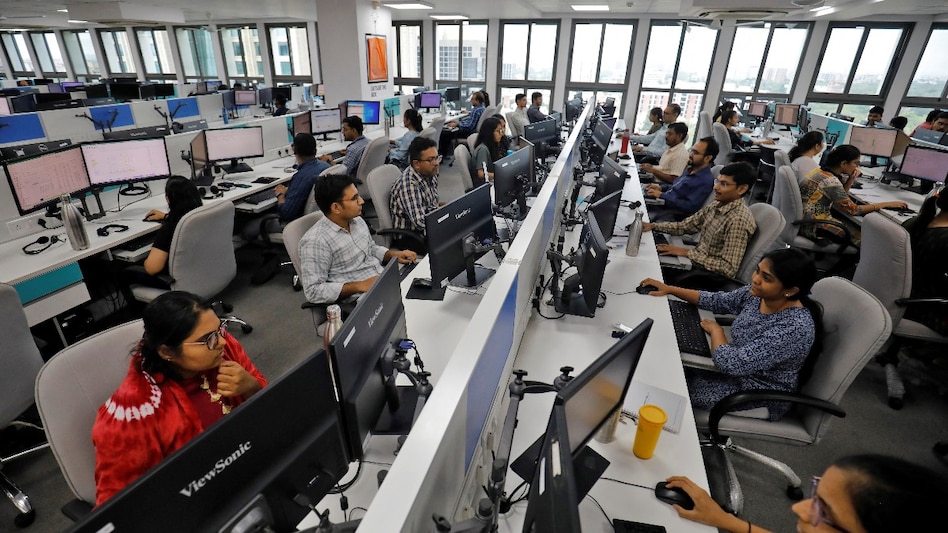
 While flexible arrangements within organisations are shrinking, freelance and contract work has grown steadily.
 The long-running battle between work-from-home and office attendance appears to be nearing its end. According to Sander van’t Noordende, global chief executive of hiring firm Randstad, the so-called return-to-office war is effectively over, with companies increasingly resetting expectations around where and how employees work.
In an interview with Fortune, van’t Noordende said fully remote roles are fast becoming the exception rather than the norm — and are now largely reserved for elite performers with highly specialised skills. “You have to be very special to be able to demand a 100% remote job,” he said, adding that employees with niche technology expertise or rare capabilities are most likely to retain such flexibility.

 Jefferies' Christopher Wood sees gold at $10,000 'sooner or later'; likes India's small, midcaps
 NSE IPO fully subscribed on Day 2; QIB, NII quotas booked 1.3 times each
 Warren Buffett steps down as Chairman after 60 years: What changes at Berkshire Hathaway now
 Net direct tax rises 13% to over ₹12.12 lakh crore till Sept 17
 Satya Nadella highlights India’s AI talent, sees massive developer community emerging by 2030
 “Unacceptable And Unprofessional”: MEA Rejects Pakistan’s Claims Over INS Kolkata Collision
  Commodity Trading For Beginners: How MCX & NCDEX Work | Trading Basics | Money Today
 US Fed Rate Hikes A Headwind For Foreign Flows? | Jibi Jacob | Jefferies
 ₹25 Billion FII Outflow: What Could Bring Foreign Investors Back? | Jefferies' Jibi Jacob
 India’s Private CapEx Picks Up: Christopher Wood On The Market Outlook
 Jindal Supreme, SS Retail, Hero Motors IPOs subscribed up to 181 times on final day; details here
 Sensex, Nifty post sixth weekly loss; TCS, Titan among top laggards, slip up to 4%
 How AI collapse could benefit Indian equity market; Jefferies' Christopher Wood explains
  Banks are no more secular growth story, prefer NBFCs: Chris WoodJefferies' Christopher Wood sees gold at $10,000 'sooner or later'; likes India's small, midcaps“Unacceptable And Unprofessional”: MEA Rejects Pakistan’s Claims Over INS Kolkata Collision
  Earning between ₹15,000 and ₹25,000? The new EPF rule could change your payslip and retirement savingsCommodity Trading For Beginners: How MCX & NCDEX Work | Trading Basics | Money Today
 Will RBI raise interest rates in October? Here’s what experts have to sayUS Fed Rate Hikes A Headwind For Foreign Flows? | Jibi Jacob | Jefferies












