


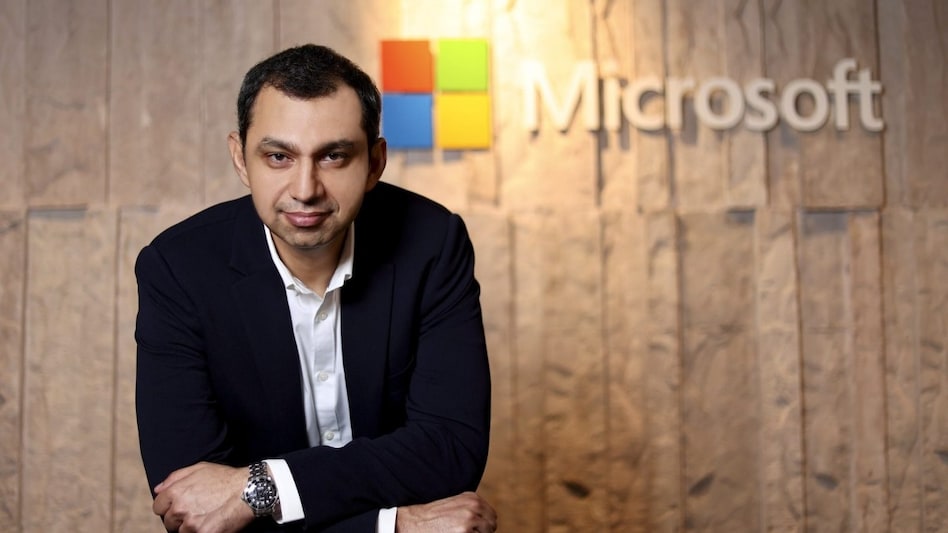
 As AI becomes embedded in every day work, Chandok said jobs themselves are changing.
 Artificial intelligence has moved well beyond hype and pilots, entering a phase where it is already reshaping how businesses operate, Puneet Chandok, President, Microsoft India and South Asia, has said. As AI adoption accelerates, Chandok argues that continuous skilling will be the single most important safeguard for individuals and organisations facing sweeping technological change.
Speaking to PTI, Chandok said the next chapter of AI will be defined by how responsibly, inclusively and thoughtfully it is scaled. “AI is delivering real impact today,” he said, adding that the focus must now shift from experimentation to outcomes.

 RBI's forex swap scheme pulls in record $143.6 billion till Sep 18
  Bank strike next week: Five-day disruption may hit your salary credits
 NSE IPO subscribed 5.7 times as QIBs lead demand; shares to list on BSE on September 24
 Indian Oil, HPCL, BPCL shares rise as brent crude prices fall for fourth day
  Tata Sons power struggle: Who will pay for the next legal battle?
 Burqa Ban In Italy? Meloni Pushes New Rules On Face Coverings
 Tata Trusts-Tata Sons Row: Harish Salve Explains RBI Rules, Singhvi Flags Shareholder Rights
 Top Legal Eagles Flock To Tata Sons & Tata Trusts As Boardroom Clash Heads To Court
 Over Next Three Years Company Expects To Invest ₹15,000 Cr For Deepwater Exploration
 Tata Sons Listing Row: Shapoor Mistry Backs IPO As Noel Tata Pushes ₹25,000-Crore Plan
 Manipal Health clears ₹5,310 crore debt using IPO proceeds, eyes expansion & technology pushNSE IPO subscribed 5.7 times as QIBs lead demand; shares to list on BSE on September 24
 Brokerage sees 96% upside potential in this smallcap stock
 Dr. Reddy’s, Lupin shares among buzzing stocks as pharma sector back in focus
  3 Warren Buffett quotes for Indian stock market investors today
 Ultraviolette X47: The electric adventure bike with a surprising feature list
 350 kmph B35: India’s bullet train plan now meets Japan’s next-gen E10
 BT Big Story: How the FCNR(B) deluge has created two new problems for the RBI
  Ticket rush ahead of festive season: Railways adds special trains linking Delhi, Katra and Varanasi
 Building collapse in India: Will health insurance cover your hospital bills after an accident?












