


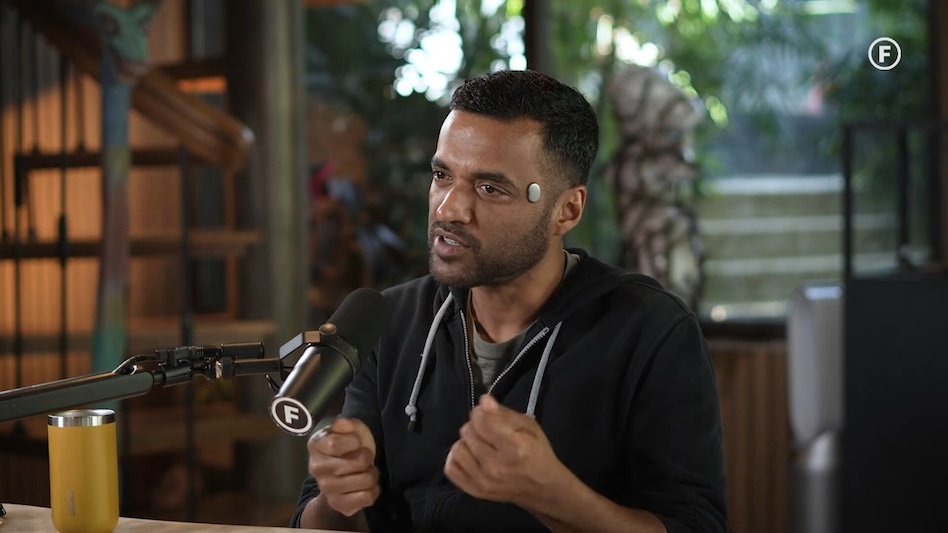
 Deepinder Goyal’s Temple device
When Deepinder Goyal announced on January 21 that he would step down as chief executive officer of Eternal and move into a vice chairman role, the Zomato founder framed the transition as a deliberate shift toward risk.
The new role, Goyal said in a post on X, would give him room to explore “new ideas that involve significantly higher-risk exploration and experimentation”.

 India-US trade deal nearing finish line, but tariff clarity remains key
 Nifty’s festive comeback: Can the bulls keep the party going?
 Jio IPO listing to make it India’s 4th most-valued firm after RIL, Airtel, HDFC Bank
 Jio has filed 7,220 patents: Akash Ambani pitches technology as competitive edge ahead of mega IPO
 SIR row: Supreme Court issues notice to EC; seeks response from Gyanesh Kumar, 2 other ECs
 Where To Invest To Benefit From The RBI’s Rate Hike | Personal Finance | Money Today
 Tyre Prices Set To Surge Again? CEAT CFO On Margin Pressure & Upcoming Price Hikes
 Retirement Withdrawal Strategy: How The Three-Bucket Plan Works
 US President Donald Trump Press Secretary Katie Zacharia’s Debut Briefing Goes Awkward
 India Plans BS-VII Emission Norms From 2029, Cars May Get Costlier As Rules Tighten
 Gold eyes sharp recovery; can MCX prices hit Rs 1.5 lakh? Vandana Bharti explains
 Tech Mahindra Q2 results: PAT rises 33% YoY to Rs 1,586 crore; recommends 1:1 bonus issue
 Jio Platforms IPO: How HFCL promoter Mahendra Nahata's investment could rise over 110 times
 South Indian Bank shares hit 52-week high on Q2 earnings, close higher
  From Rs 228 per GB to mass-market 5G: How Jio transformed India's data economy
 Mukesh Ambani's Emotional Promise Fulfilled: How The Jio Platforms IPO Came To Life
 Why Reliance Jio's Rs 30,213 Crore IPO Stands Out From The Pack
 Piyush Goyal Says India-US Trade Deal First Tranche Nears Final Legal Drafting
 RBI’s Account Aggregator interoperability reform: How it could ease digital lending, improve data sharing
 UK Finance Minister Urges Tighter Russia Shipping Sanctions, Pledges £17 Million For Chornobyl












