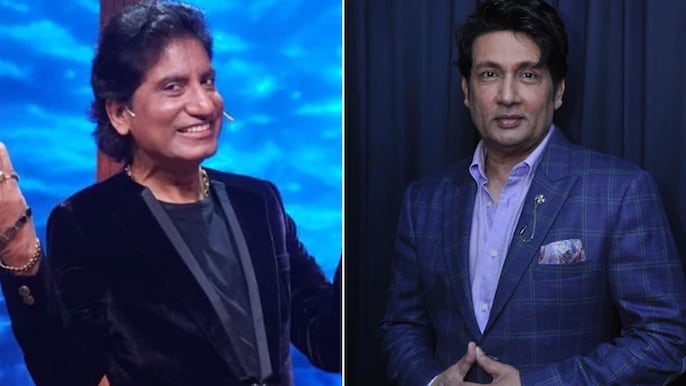
In interview reports published on October 13, Shekhar Suman said he believed Raju Srivastava deserved to win The Great Indian Laughter Challenge. It is his retrospective judgement of the performances. The comment does not change the recorded result or establish a finding of wrongdoing.
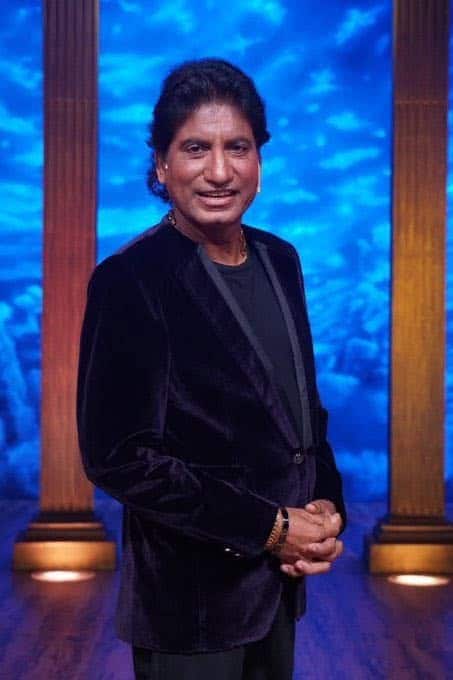
Suman recalled that Raju was hesitant about entering because losing to less familiar contestants could affect his established reputation. This is Suman's account of their conversation. It adds a specific career dilemma to the story: whether a recognised performer should compete for a wider audience.
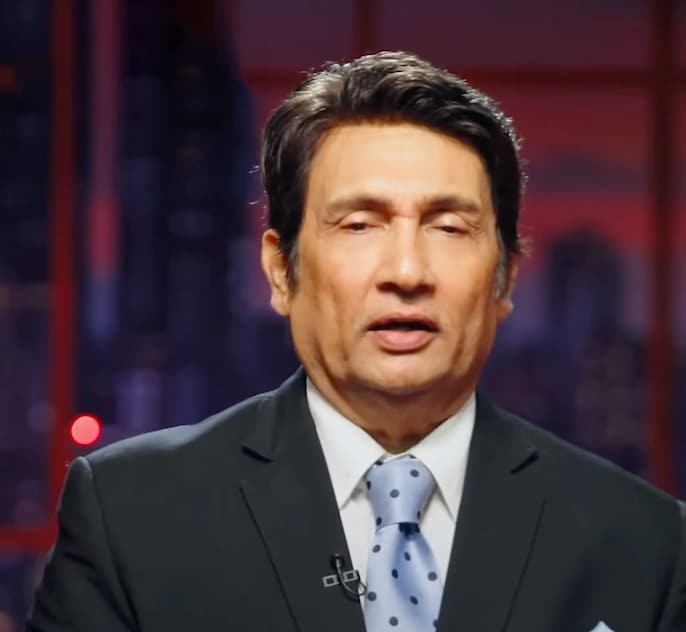
According to Suman's recollection, he encouraged Raju to view the programme as an opportunity rather than focus solely on winning. That explains why the appearance mattered within his career. The value of a televised performance could extend beyond the position in the final.
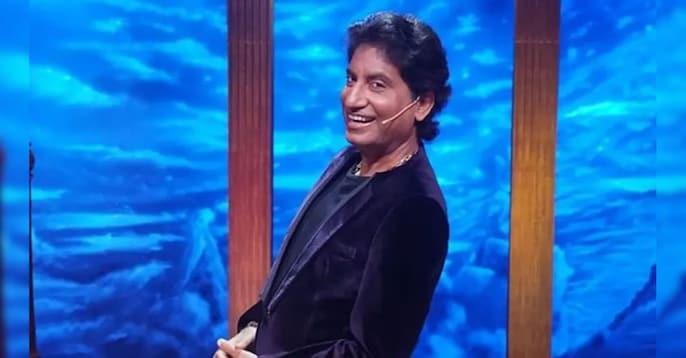
Raju finished third in the first season of The Great Indian Laughter Challenge in 2005. His comedy career continued after the contest. Keep the result distinct from Suman's present-day praise: the story is about how he remembers the performer, rather than a newly awarded title.
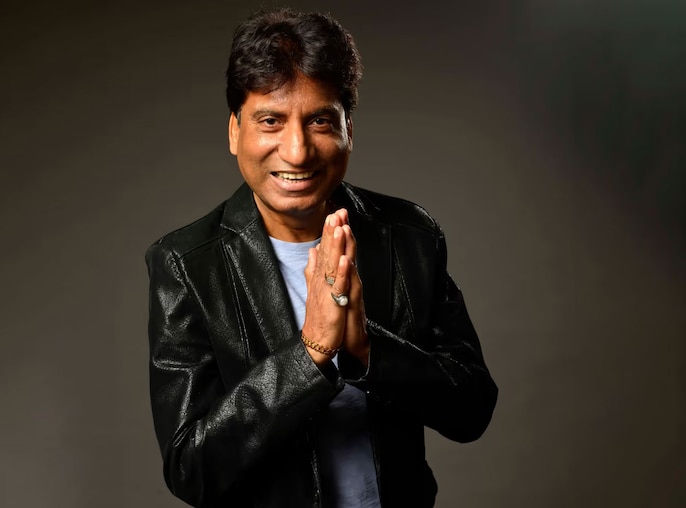
Raju appeared in films including Maine Pyar Kiya and Baazigar, and played Dhurandhar Singh in Shaktimaan. His later television appearances included Bigg Boss 3. Those credits give the profile a wider frame than one competition result, spanning film roles, scripted television and reality entertainment.
 Festive Shopping Set To Smash Records? CAIT Chief Praveen Khandelwal Explains
 Piyush Goyal: “India’s Trade Agreements Now Cover $70 Trillion In GDP” | Bloomberg New Economy Forum
 BJP Seeks Bimol Akoijam’s Suspension Over JNU Sexual Harassment Allegations
 U.S. Fed's Waller On AI Investment Boom, Rising Debt, Inflation Risks And Global Bond Yields
 Chennai Poster Politics Returns: TVK Faces Heat Despite Tamil Nadu's Crackdown