


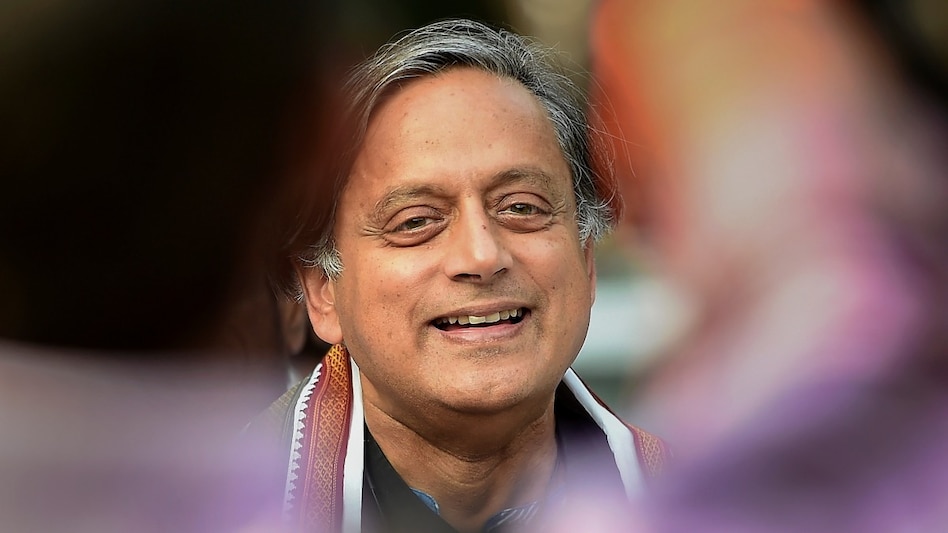
 Nepal protests: Shashi Tharoor says India must strike the right balance
People in India must be careful of conspiracy theories, said Congress MP Shashi Tharoor, referring to the ‘toolkit’ theory doing the rounds on social media amid the Nepal protests. He also said that instability in Nepal poses several threats to India’s interests.
In an opinion piece written for NDTV, Tharoor said, “What can we not avoid worrying about? Instability in Nepal poses several direct and indirect threats to India's interests. Security is foremost among them. An open border with Nepal is both a boon and a bane. Political chaos and a breakdown of law and order can lead to a surge in cross-border smuggling, human trafficking, and an increase in the activities of anti-India elements. The potential for a security vacuum in Nepal could be exploited by hostile actors, particularly Pakistan's ISI, to foment trouble in India.”

 BT Infra Summit 2026: What will power India's next growth spurt?
 BT Infra Summit 2026: How Sagarmala 2.0 is going to steer India's maritime growth
 Why Bloomberg isn't ready to add Indian bonds yet despite sweeping market reforms
 BT Infra Summit 2026: India's energy security needs a new playbook as clean power, storage and grid modernisation take centre stage
 ITR filing 2026: WazirX launches free crypto tax reporting platform ahead of ITR deadline
 #BTInfrastructureSummit: Powering India's New Growth Spurt With Infra, Investment & Innovation
 Why Indians Feel Foreign Infrastructure Is Better: Hitachi India CEO Breaks It Down
 #BTInfrastructureSummit: How India Is Building Its Infrastructure Muscle For 2047
 India's Energy Security: Kearney's Gaurav Gulati On Import Dependence, Storage & Logistics Risks
 IRFC CMD Manoj Kumar Dubey On ₹20 Lakh Crore Rail Funding, IRFC 2.0 & India's Infra Push
 Maruti Suzuki Q1 results: Profit slips 9% YoY to Rs 3,447 crore; revenue climbs 36%
 ITC Q1 results: Profit slips 16% to Rs 4,394 crore YoY; revenue climbs 28%
 BTTV Exclusive: M&M CEO Rajesh Jejurikar on Q1 earnings, business outlook, order book and more
  Nifty IT stocks rebound in July as semiconductor shares falter; reverse AI trade at play?
 Dixon Technologies Q1 earnings: Net profit at Rs 718 crore, revenue rises 21%#BTInfrastructureSummit: Powering India's New Growth Spurt With Infra, Investment & InnovationBT Infra Summit 2026: What will power India's next growth spurt?
 BT Infra Summit 2026: Experts call for sustainable solutions, technology integration in India’s massive infra pushWhy Indians Feel Foreign Infrastructure Is Better: Hitachi India CEO Breaks It Down#BTInfrastructureSummit: How India Is Building Its Infrastructure Muscle For 2047










