


 Will the Trump administration impose further sanctions on Iran?
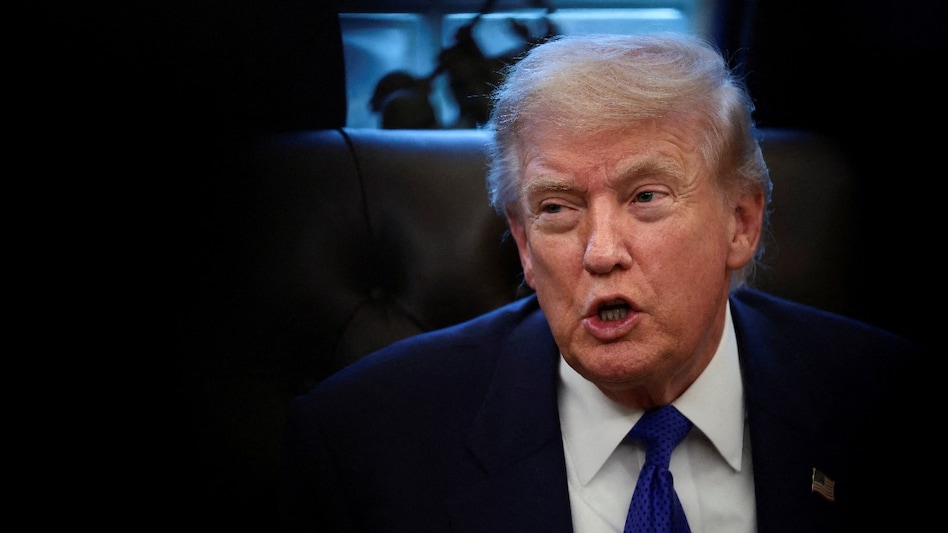
US-Iran war: Iranians are growing wary that tougher economic sanctions threatened by US President Donald Trump could deepen their economic hardship, reignite unrest and further weaken the Islamic Republic’s legitimacy, even as Tehran projects resilience after nearly six months of war with Washington.
Trump vowed to hit Iran hard economically, a day after Treasury Secretary Scott Bessent said Washington would impose measures on Tehran that have “never been seen” as early as next week. The US has not specified what those measures will entail.

 Trump says the US could just decide to stay in Iran and ‘keep the oil’ like Venezuela
 ‘If it’s not under human control, it’s not worth pursuing’: Satya Nadella's warning on AI
 Anthropic sets sights on Nasdaq for potential October IPO, eyes $2 trillion valuation: Report
 Stock market holiday: Why NSE, BSE will remain closed on September 14
 Gold and silver ETFs beat equity ETFs in FY26: What investors should make of the shift
 Amit Shah Hails India’s Rise From Fragile Five To Top Five, Politics Of Performance Since 2014
 MEA Details BRICS Summit Outcomes as India Pushes Practical and People-Centric Cooperation
 Modi@25: Amit Shah Highlights 25 Years Of Leadership, Governance And 2047 Vision
 “Development And Environment Are Complementary”: PM Modi On Sustainability At BRICS
 Modi@25: Amit Shah Announces Seva Sankalp Campaign From Sept 17 To Mark Modi’s 25 Years Of Service
 Stock market holiday: Why NSE, BSE will remain closed on September 14
 Avoid jewellery; stick to ETFs, bars and coins for investment this festive season: Navneet Damani
 SEBI’s CAS proposals: Expert weighs in on new expiry-day settlement price methodology
 Large caps stocks under pressure as rising US bond yields, crude prices weigh on foreign flows
  SEBI proposes bringing unexecuted Iceberg orders into closing auction
 ‘Have to get out of the India fascination’: Bangladesh wants to reset ties, build good bilateral relationsTrump says the US could just decide to stay in Iran and ‘keep the oil’ like Venezuela
 Quote of the Day by Kunal Bahl: 'Strong fundamentals matter more than short-term growth' ‘If it’s not under human control, it’s not worth pursuing’: Satya Nadella's warning on AIAnthropic sets sights on Nasdaq for potential October IPO, eyes $2 trillion valuation: Report












