


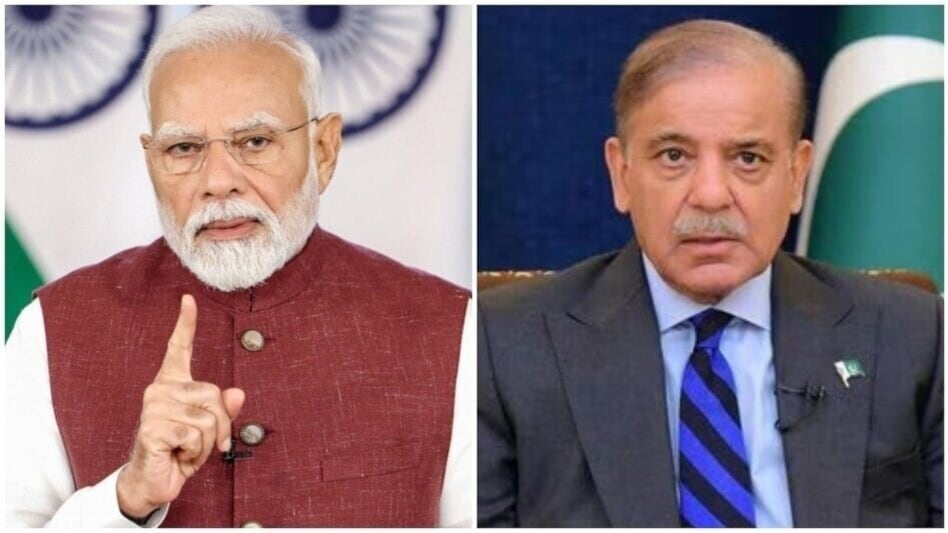
 MacGregor also stressed that the broader geopolitical context is rapidly shifting, noting that “the entire global order is now being renegotiated.” (File photo)
India could play a pivotal role in easing tensions in the ongoing Iran conflict even as questions mount over Pakistan’s credibility as a mediator, geopolitical expert Col (Retd) Douglas MacGregor said in a detailed interaction.
Also read: Economist warns West Asia war may push world to recession

 Tata Trusts propose merger of two Tata units with Tata Sons to avoid listing
 Essar Group's Mesabi Metallics plans $15 billion US steel mill, Trump to unveil the project
 Air India CEO-designate Tewolde lays out 5 priorities, puts safety and reliability first
 Nifty set for worst returns in 15 years, analysts weigh in
  India's industrial output hits 8% growth in August, manufacturing up 9%
 Crude Oil Next Big Commodity Bet? | Strait Of Hormuz Crisis | Commodity Outlook
 Nifty Falls: 22,500-22,300 Next? Expert Warns Against Bottom Fishing Amid Sharp Sell-Off
 Meta Muse AI & Smart Glasses, iPhone 18 Pro Max In-Depth Review & Easy iOS Data Transfer | Tech Today
 Silver Slips Below 200 DMA: Why This Crash Is A Golden Buying Opportunity | Navneet Damani
 Gold Falls $1,500 From Peak: Smart Accumulation Or Risky Bet? | Anuj Gupta
 BSE stock may test Rs 3,000 mark, says analyst; stays positive for long term
  Why HDFC Bank, TVS Motor shares are top picks amid ongoing correction
  Tata Steel shares lag peers over three months; is European business weakness priced in?Nifty set for worst returns in 15 years, analysts weigh in
  YES Bank, BOI, BoM, Union Bank, PNB, RBL Bank: Why bank stocks fell today
 Adani Group firms settle SEBI case for Rs 1.48 crore over alleged MPS violations
 FASTag annual pass crosses 1 crore mark, over 1,150 toll plazas coveredEssar Group's Mesabi Metallics plans $15 billion US steel mill, Trump to unveil the project
 Tata makes its EVs cheaper to buy upfront, under BaaS scheme
 Cleartrip checks in for a holiday-powered growth trip












