


 The pact has already provoked strong reactions elsewhere in the region.
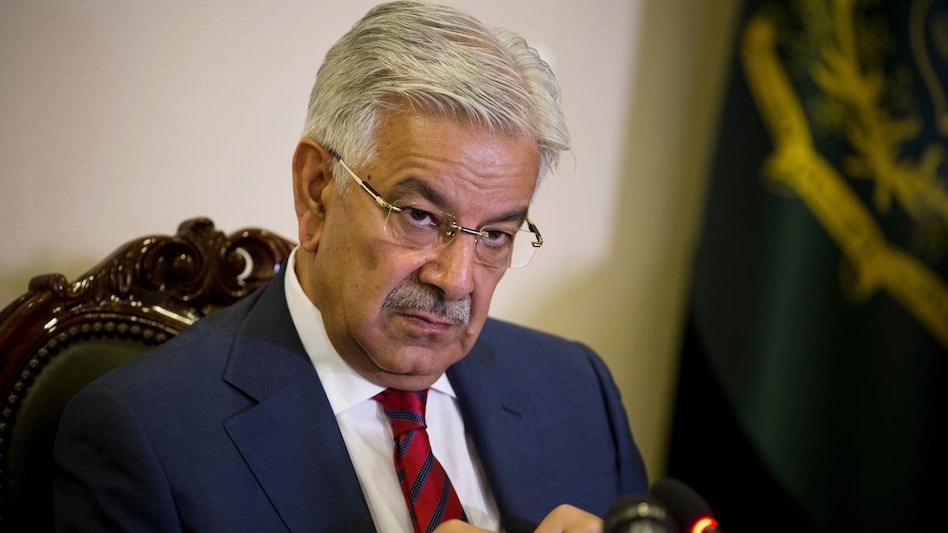
 Pakistan’s defence minister publicly acknowledged that Islamabad’s nuclear capability “will be made available” to Saudi Arabia if needed under a new defence pact, marking the first explicit statement tying the kingdom to Pakistan’s nuclear umbrella.
Speaking to Geo TV on September 19, Defence Minister Khawaja Mohammad Asif was asked whether “the deterrence that Pakistan gets from nuclear weapons” would be extended to Saudi Arabia. “Let me make one point clear about Pakistan’s nuclear capability: that capability was established long ago when we conducted tests. Since then, we have forces trained for the battlefield,” Asif said. “What we have, and the capabilities we possess, will be made available to (Saudi Arabia) according to this agreement.”

 BTTV Exclusive: Ashishkumar Chauhan explains why NSE went public now
 Tata Sons rejects Noel Tata objections over N. Chandrasekaran reappointment
 GST Council to take up proposal of MDR on UPI
 SEBI's settlement rules set for a big revamp; experts call for balance between speed and accountability
  SEBI rewrites PMS rulebook, allows IPO, foreign securities and unlisted debt investments
 Meta’s New Gadgets: Camera-Free Glasses, VR Eyewear And AI Handheld Device Unveiled
  MDR Levy: Will Retail Trading Volumes Take A Hit? | NSE Chairman Srinivas Injeti
 NSE Lists At ₹1,800: Exclusive Post-Listing Interview With India's Largest Exchange
 From Mobile Trading To AI: How NSE Plans To Protect Market Integrity
 NSE On India’s Capital Markets Growth | IPOs, REITs, InvITs And More
 SEBI's settlement rules set for a big revamp; experts call for balance between speed and accountability BTTV Exclusive: Ashishkumar Chauhan explains why NSE went public nowSEBI rewrites PMS rulebook, allows IPO, foreign securities and unlisted debt investments
 HSBC plans India equity broking return amid IPO boom, says report
 Whirlpool of India clarifies on promoter stake sale report; stock slips
 'Former neighbour': Anand Mahindra recalls NSE's journey from Mahindra Towers to IPOSEBI's settlement rules set for a big revamp; experts call for balance between speed and accountability BTTV Exclusive: Ashishkumar Chauhan explains why NSE went public now
 How Chinese parts are helping Houthis build weapons inside Yemen
 Gold, silver ETFs get a new vaulting framework: SEBI raises vault managers' net worth requirement












