


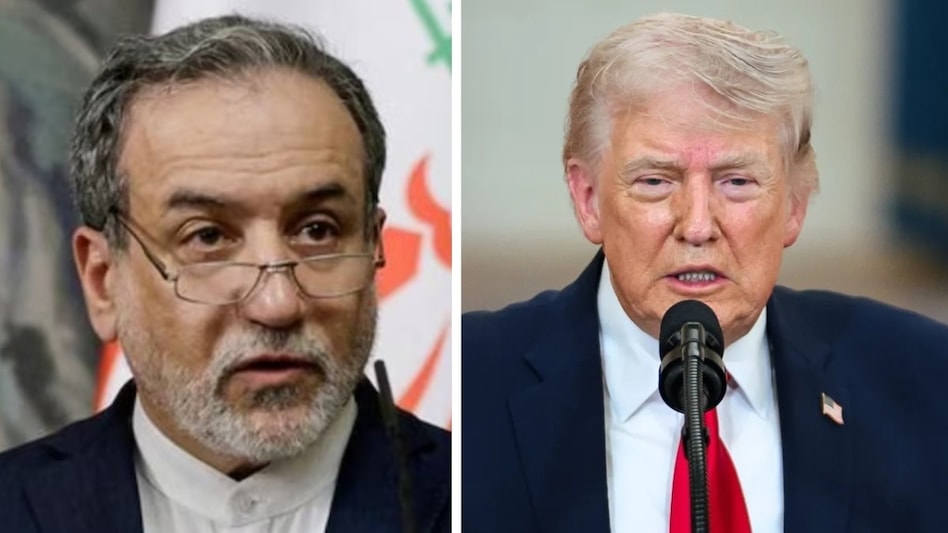
 Iranian Foreign Minister Abbas Araghchi concluded a brief visit to Islamabad yesterday after meeting senior Pakistani officials but refused to meet US officials face-to-face.
 Iran has ruled out fresh negotiations with the United States as long as economic and logistical restrictions remain in place, even as reports point to growing internal strain within its leadership.
President Masoud Pezeshkian said Tehran would not return to the negotiating table while Washington continues to impose what he described as a blockade on Iranian ports.

 NSE IPO subscribed fully on Day 2; QIB, NII quotas booked 1.3 times each
 Nestle faces FSSAI crackdown over baby food formula claims. What the regulator found
  STT collections jump 52.9% to Rs 40,214 crore in FY27 so far; key details
 ‘Welcome the decision wholeheartedly’: Shapoorji Pallonji on RBI’s decision on Tata Sons listing; full text
 India’s AI boom gets a massive boost: EQT plans $50 billion push with major Adani data centre bet, says report
 LIVE What’s Hot: Stocks, Gold & Big Money Moves | Daily Markets Show | September 17 | Business Today
 From NPAs To Infrastructure: CEA On How India’s Economy Has Changed Under PM Modi
  “PM Modi Is Architect Of Economic Policy”: CEA V. Anantha Nageswaran On India’s Growth Journey
 iPhone Sale Sparks Overnight Rush As Buyers Queue Across Delhi, Mumbai, Bengaluru
  Shapoorji Pallonji Welcomes RBI Nod On Tata Sons Listing | SP Group
  STT collections jump 52.9% to Rs 40,214 crore in FY27 so far; key details
 Kaynes Technology stock needs breakout confirmation; Moschip preferred semiconductor pick: Analyst NSE IPO subscribed fully on Day 2; QIB, NII quotas booked 1.3 times each
 Supreme Court allows NSE-Sebi co-location case settlement, disposes of pleas: Report
 Tata Chemicals, TCPL, Uno Minda, Welspun Living, Bandhan Bank, E2E Networks: Expert shares outlook
 Powerus-Pakistan drone deal ups stakes: How India’s counter-drone war is changing post Operation Sindoor
 EC temporarily freezes TMC's 'jora phool' symbol; allots separate symbols, names to Mamata, Ritabrata factionsSTT collections jump 52.9% to Rs 40,214 crore in FY27 so far; key details
 Reshaping, not shrinking: How India’s $205 billion tech engine defies job threats in AI eraIndia’s AI boom gets a massive boost: EQT plans $50 billion push with major Adani data centre bet, says report












